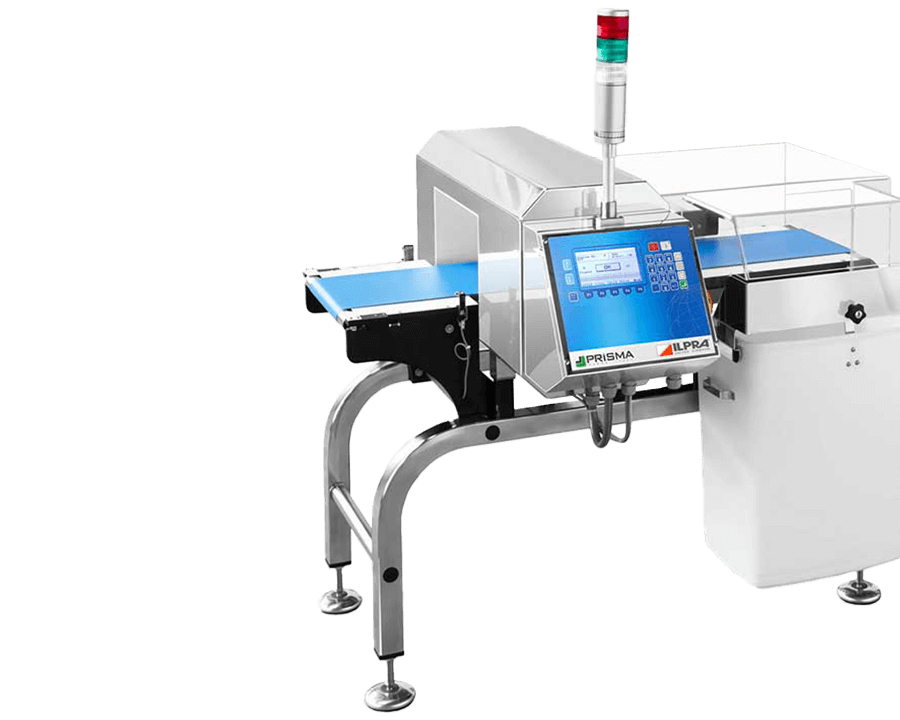
Conveyor-based systems for accurate contaminant detection and dynamic weight control. Ideal for small to medium-sized bulk and packaged products, with rapid changeovers and options for fully integrated reject and data capture.
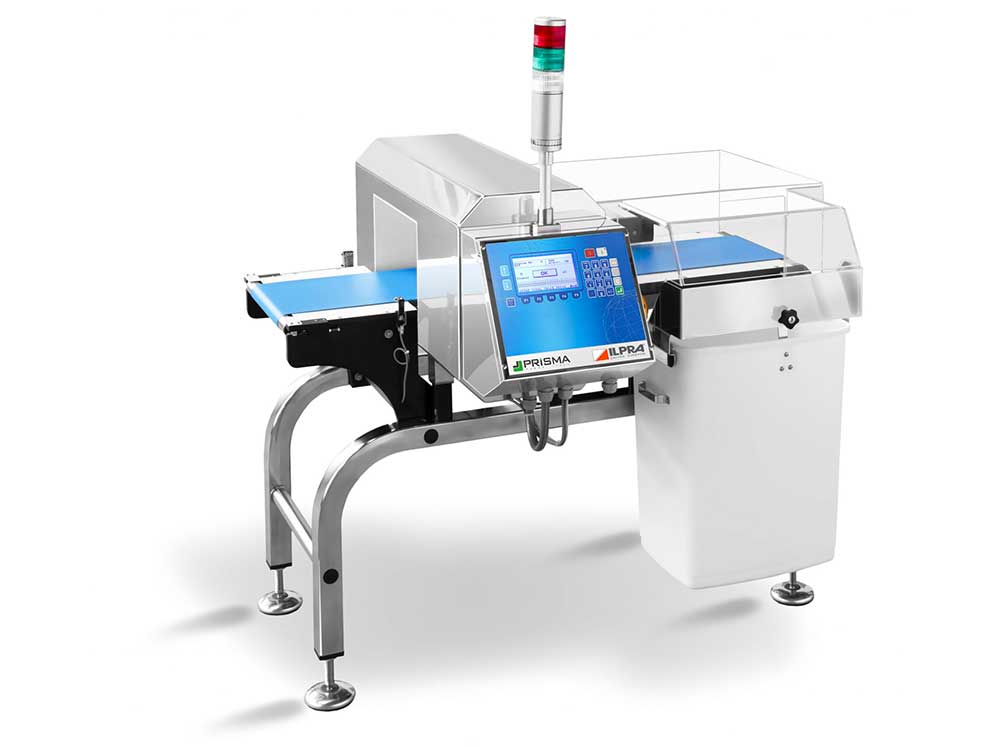
Metal Detectors
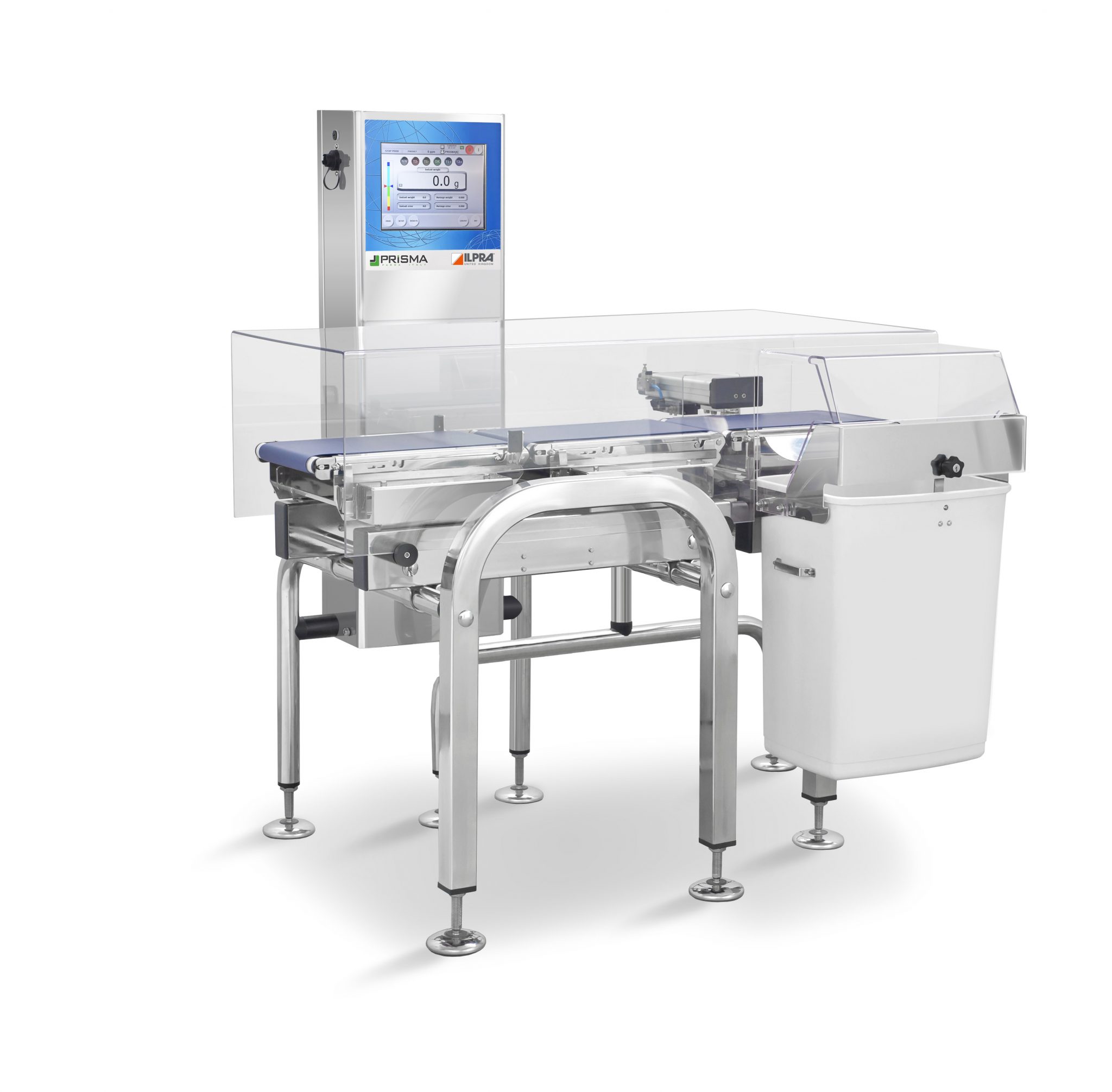
Weighers
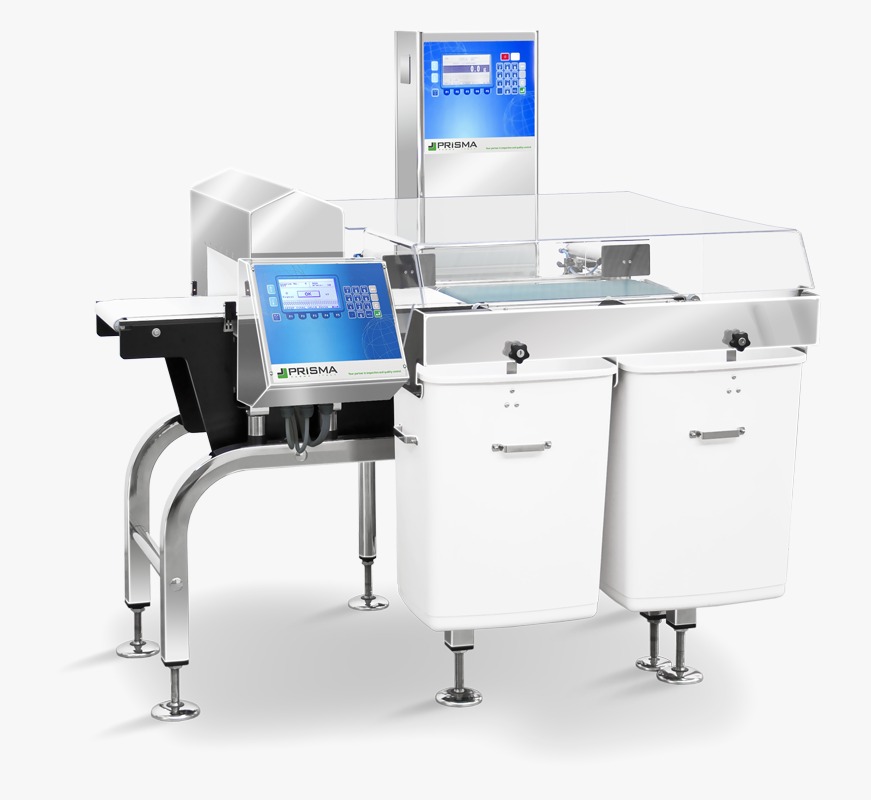
Weighers
Metal detectors and checkweighers sit at the end of the production line, providing a final, documented check before product reaches dispatch. Together, they identify metal contamination and confirm that each pack meets its declared weight, giving manufacturers a consistent quality assurance checkpoint across every run.
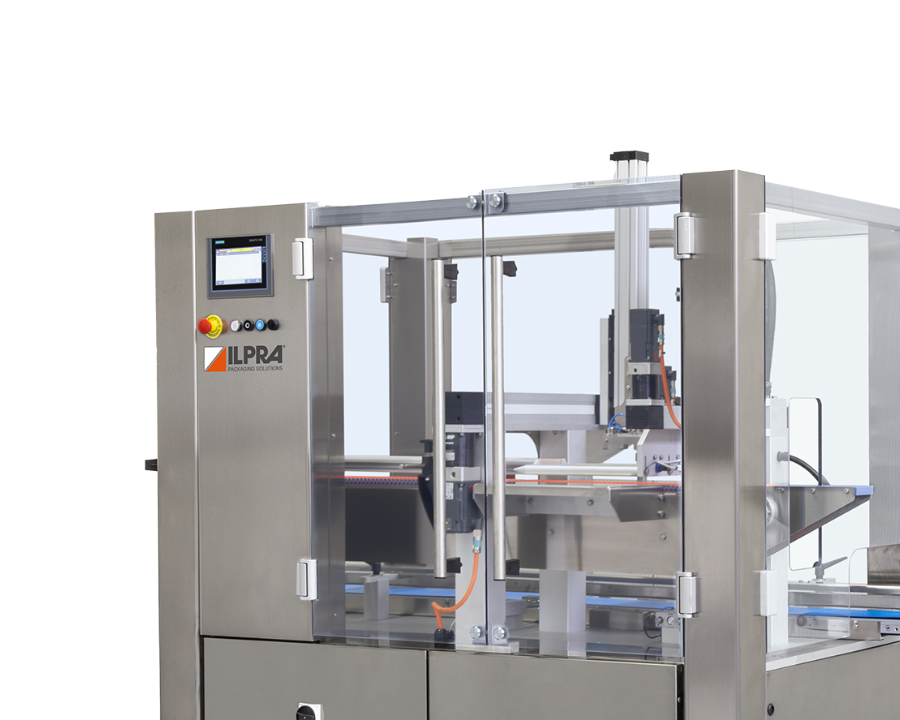
ILPRA UK’s metal detection and checkweighing systems are designed for small to medium-sized bulk and packaged products, with configurations available as standalone metal detectors, standalone checkweighers, or a combined metal detector and checkweigher unit, depending on the level of inspection required.
Identifying a non-conforming pack is only half of the inspection process. The reject system connected to the metal detector or checkweigher needs to remove it cleanly and reliably at line speed. The right reject method depends on pack weight, fragility, and format. See our guide on reject system options for metal detection and checkweighing for a full comparison of the available approaches.
Inspection systems can also be integrated with upstream and downstream equipment, including data capture and line monitoring software, so that reject events, weight trends and detection performance are recorded automatically alongside the rest of the production line.
For manufacturers working towards BRCGS certification, a HACCP-based food safety plan or export compliance requirements, inline inspection equipment forms part of a wider documented control strategy rather than a standalone safeguard. See our guide on regulatory compliance and quality assurance in inline inspection for more detail on validation, verification and record keeping.
Metal detectors and checkweighers are used across a broad range of sectors where contamination control and weight accuracy are production requirements:
FAQs
Frequently Asked Questions
A metal detector identifies ferrous, non-ferrous and stainless-steel contamination within a pack, while a checkweigher verifies that each pack meets its declared weight. Many production lines run both checks, either as separate units or as a combined metal detector and checkweigher system.
Yes. We offer a combined metal detector and checkweigher unit that carries out both checks in a single pass, which can reduce the equipment footprint at the end of the line. Whether a combined unit or separate systems suit your line better depends on your product, output and existing layout.
Reject options include pusher, air blast, drop and diverter systems, each suited to different pack weights, formats and fragility levels. Our guide on reject system options for metal detection and checkweighing covers the differences in more detail.
Metal detection and checkweighing typically form part of a manufacturer’s documented food safety plan, supporting standards such as BRCGS and HACCP-based programmes. Equipment needs to be validated and routinely verified, with results recorded as part of the audit trail. Speak to your certification body for guidance specific to your operation.
These systems are designed for small to medium-sized bulk and packaged products across food and non-food applications. Speak to our team to confirm the right configuration for your specific product and pack format.
Get in touch with our team for tailored advice on which packaging solution is right for your products.