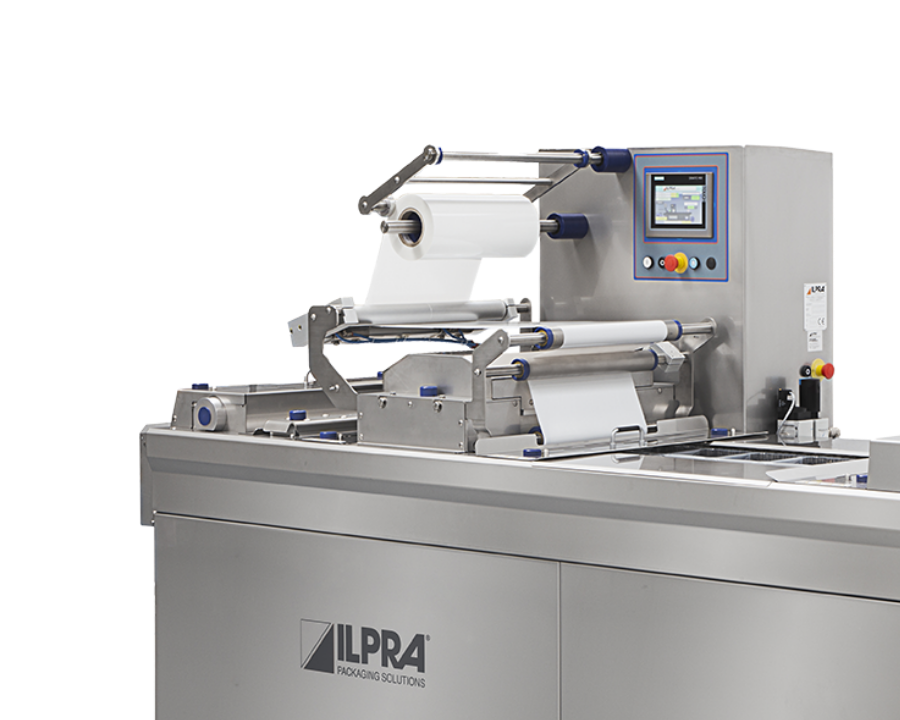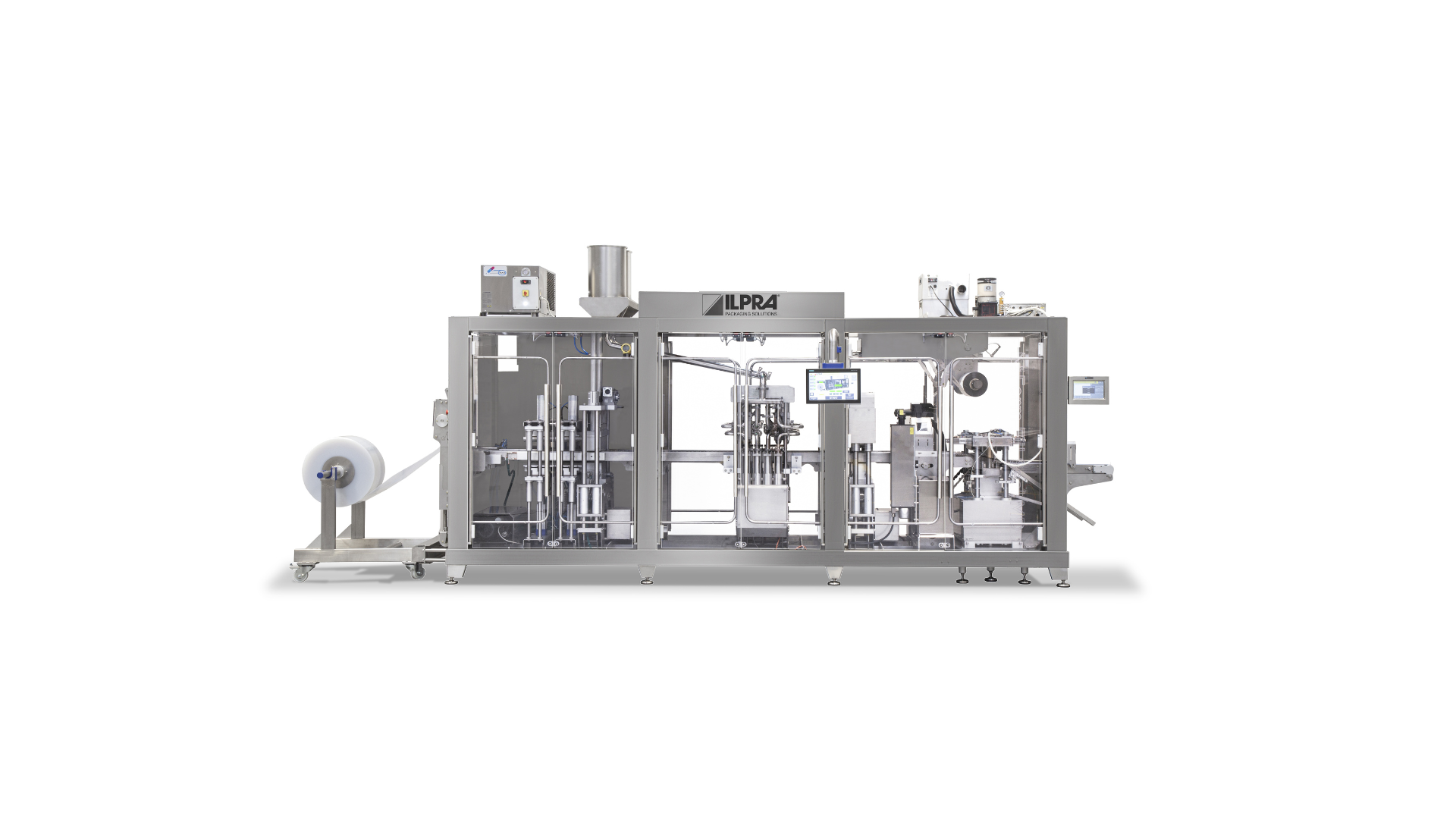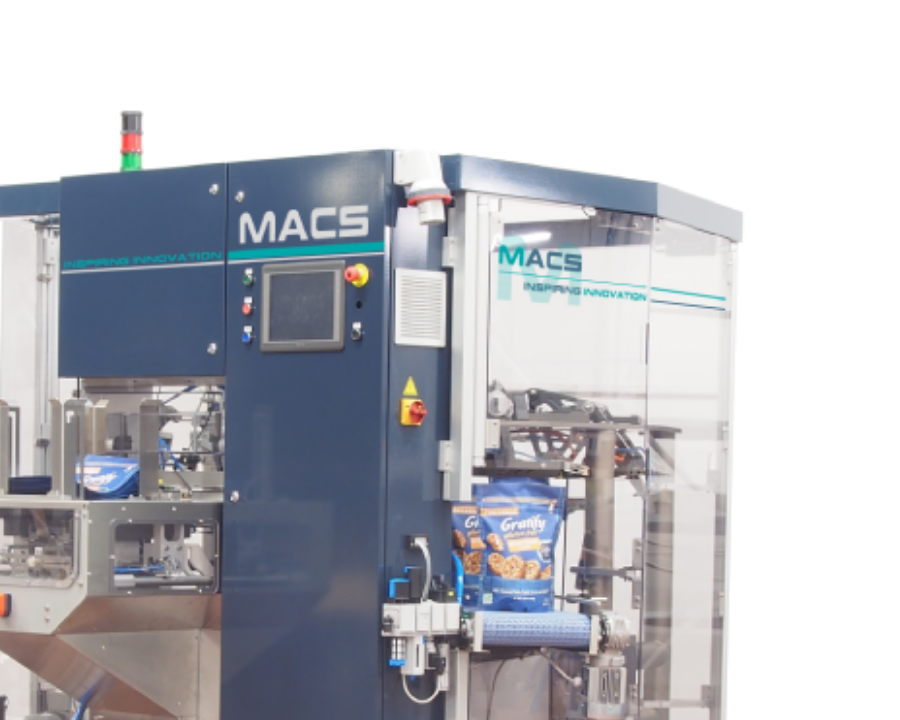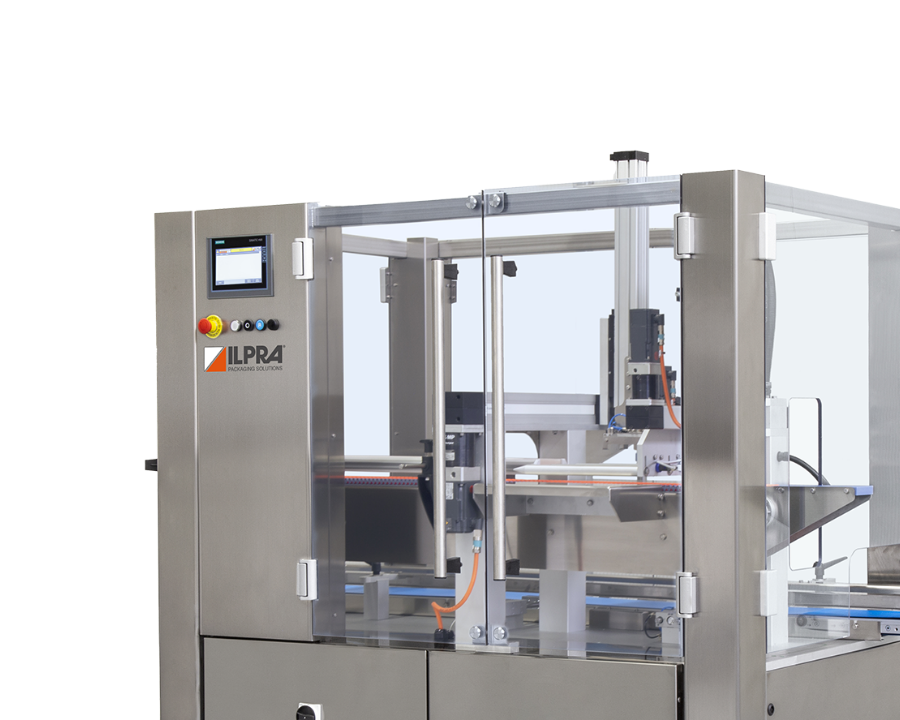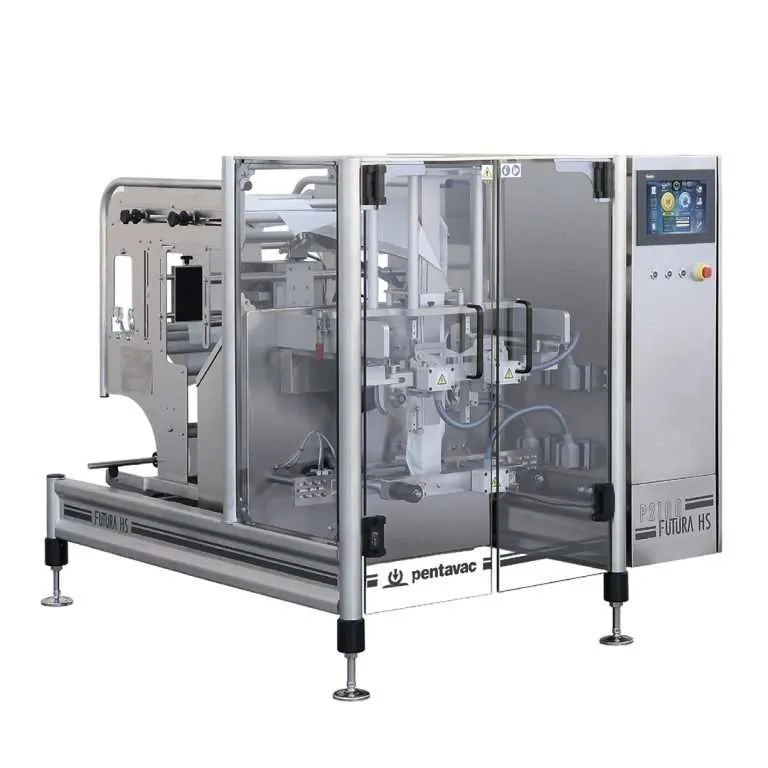
Vertical Form Fill and Seal (VFFS) machines are designed to construct bags and pouches from flat rolls of film while simultaneously filling them with product and sealing them shut. This technology is a staple in the packaging industry for a wide array of products, from food to pharmaceuticals.
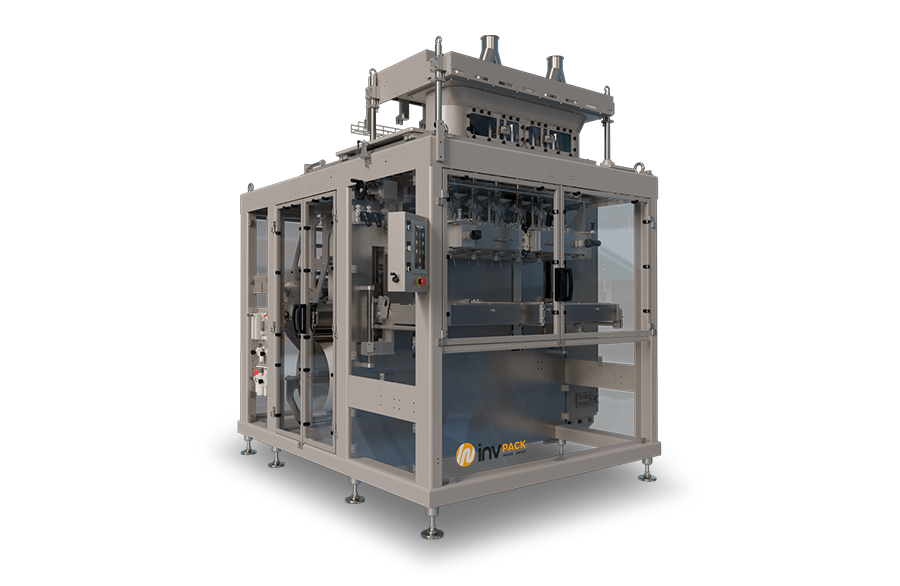
A vertical form fill seal machine takes flat film from a reel, forms it into a bag around a forming tube, drops the product in and seals it, all in one vertical cycle. It is the standard approach for free-flowing products that need bagging quickly and cheaply, and the reason VFFS baggers sit on so many dry goods and snack lines.

Entry Level – VFFS

Entry Level – VFFS
Because the bag is made on the machine, there is no pre-made packaging to buy, store or feed in. Film arrives on a reel and bag size is set by the forming tube and the sealing cycle, which makes the format easier to change than it would be with any pre-formed pack. ILPRA UK supplies vertical form fill and seal machines at entry level, suited to producers bagging in-house for the first time or running moderate volumes.
Each cycle repeats the same sequence as film is drawn down the forming tube:
The jaws doing the top and bottom seal in one action is what makes the cycle continuous, and it is also why mechanical speed and actual output differ. Mechanical speed is how fast the jaws can cycle. Real output depends on how quickly the product above can be dosed and settled.
The bag shape is set by the forming tube and the sealing arrangement rather than by a supplier’s catalogue. The Anniversary produces cushion, bellows, block bottom and Stabilo envelope bags, which covers most of what a dry goods or snack line needs, from a simple pillow pack through to a squarer bag that stands on shelf.
Three things usually settle the specification. The product comes first, because how freely it flows determines the dosing equipment above the bagger and often sets the realistic output. Bag size comes second, since it fixes the forming tube and limits which machine will take the format. Output comes last, and is worth checking against mechanical speed rather than assuming the two match. Where product behaviour is uncertain, trialling before specifying is the sensible route.
FAQs
Vertical Form Fill Seal Machines FAQs
Form fill seal describes any machine that forms the pack, fills it and seals it in one process. Vertical form fill seal is the vertical version, where film is drawn down a forming tube and the bag fills under gravity. Horizontal machines exist for products that cannot simply be dropped, but for free-flowing products the vertical arrangement is faster and takes less floor space.
The Piccola runs at 25 to 30 packs a minute and the Anniversary at up to 50, with mechanical speeds of 45 and 70 respectively. Mechanical speed is the jaw cycle rate rather than achievable output. What you actually get depends on the product, the dosing system feeding the bagger and how long the product takes to settle in the bag.
Both form bags from 32mm wide and 60mm long at the smallest. The Piccola runs up to 250 x 500mm and the Anniversary up to 320 x 400mm, with maximum length on the Anniversary varying according to machine height.
The bagger forms and seals the bag; what governs powder handling is the dosing equipment above it. Powders generally need an auger filler rather than a volumetric cup system, and fine powders can affect seal quality if product reaches the sealing area. It is worth discussing the product before the line is specified.
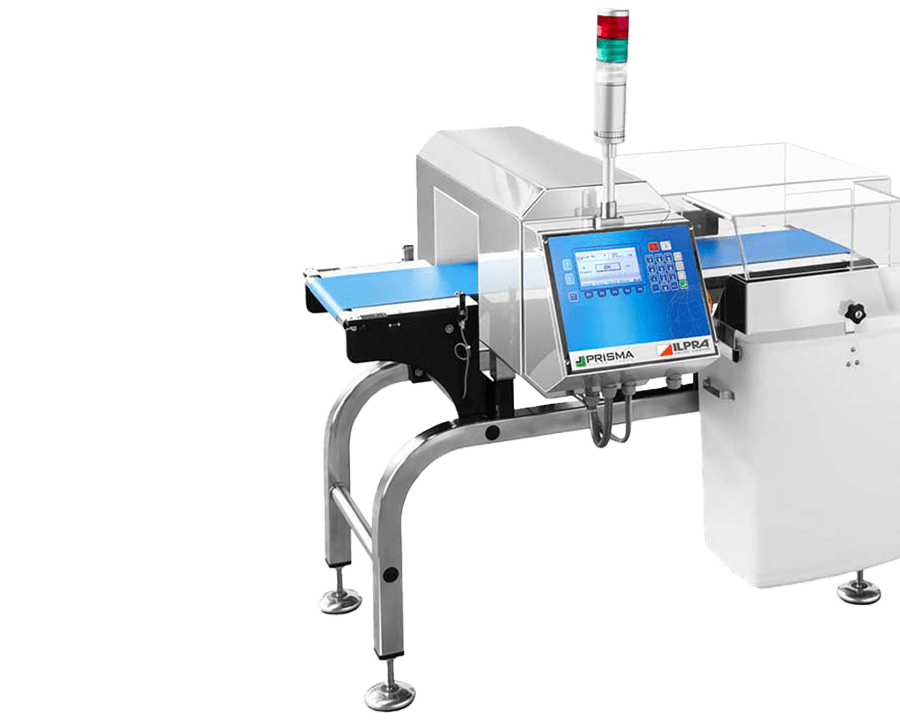
Yes. A VFFS bagger is normally fed by a weigher or doser and is commonly followed by metal detection and checkweighing before packs reach secondary packaging. How that is arranged depends on the product and the output you are working to.
Get in touch with our team for tailored advice on which packaging solution is right for your products.