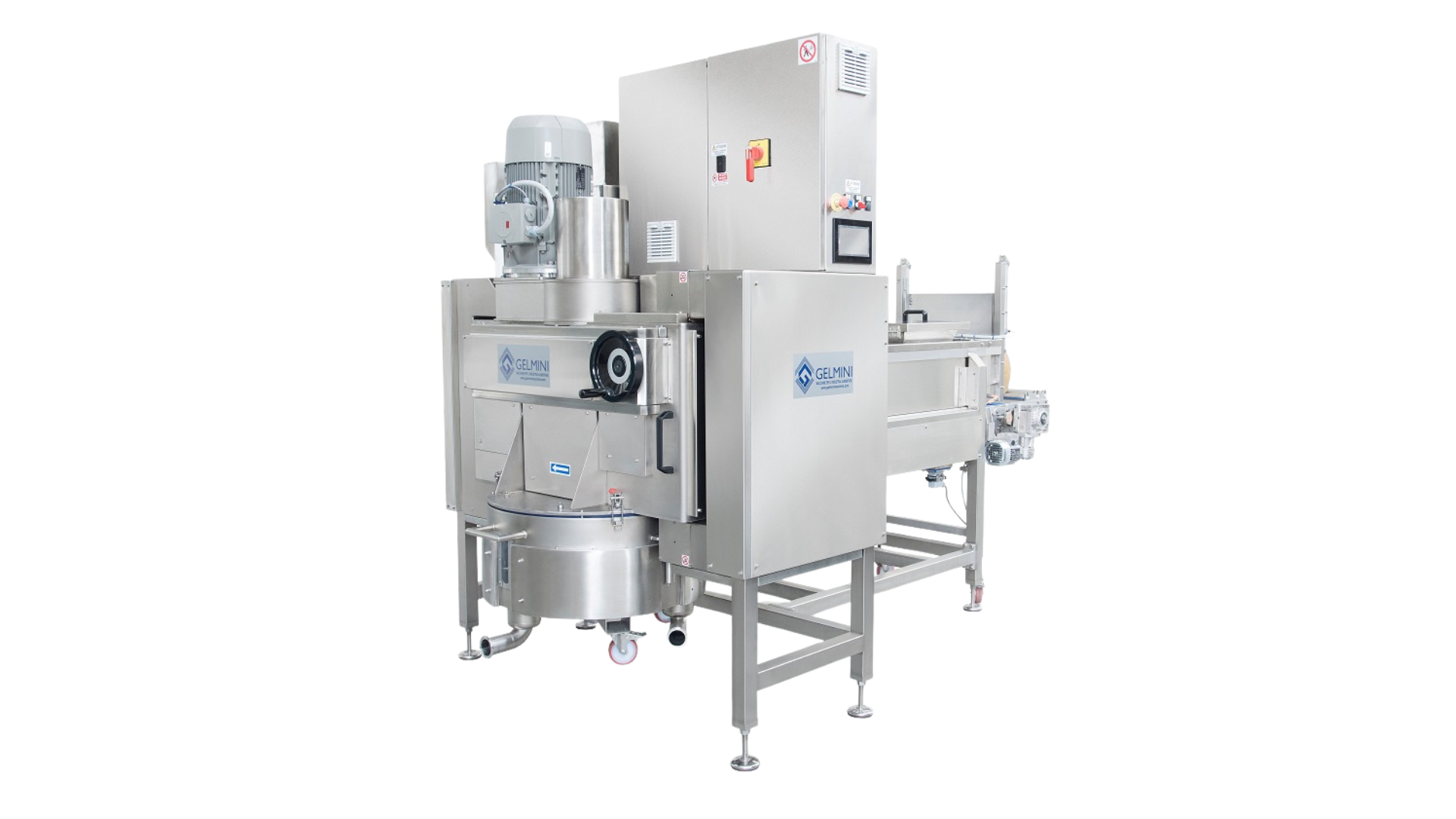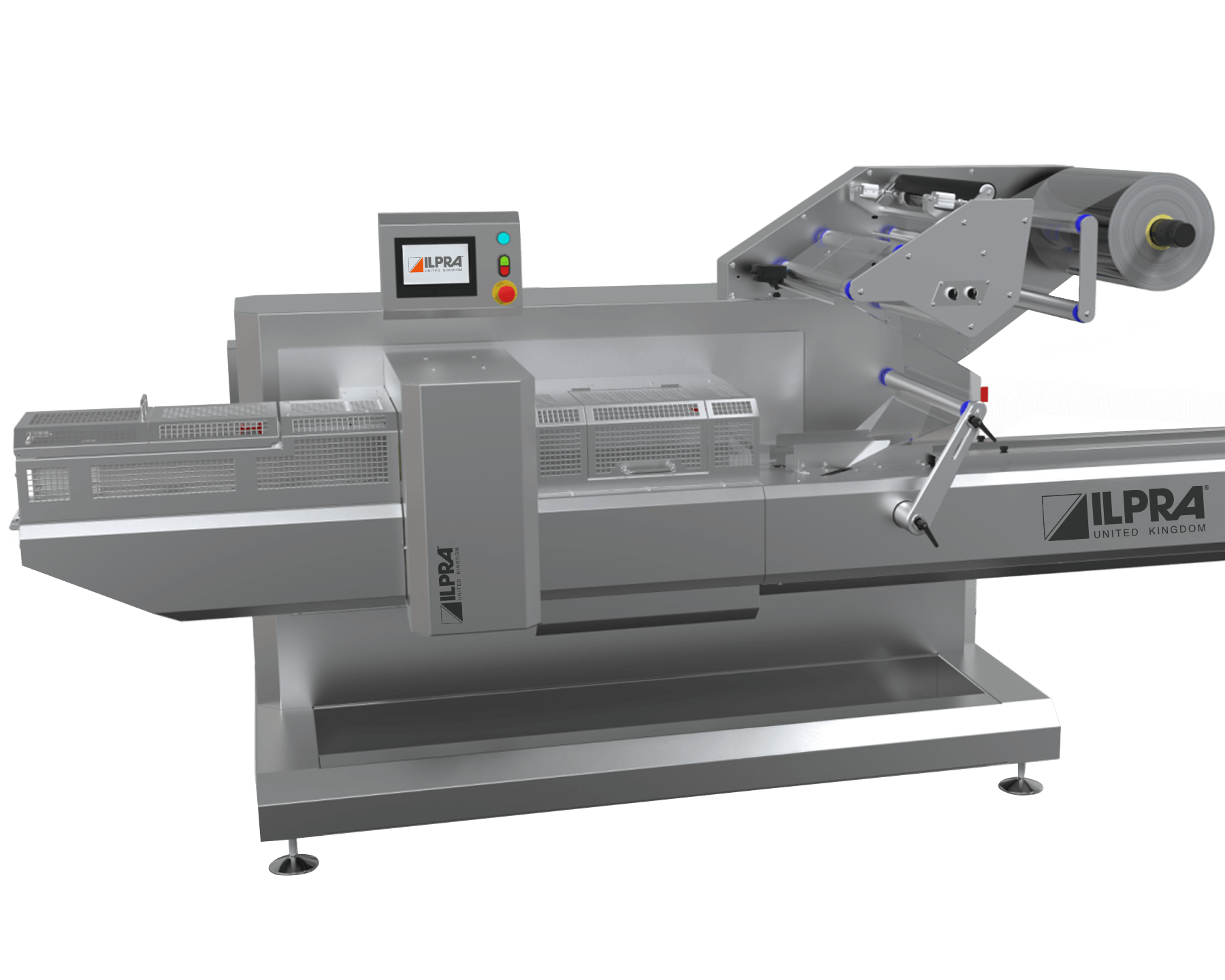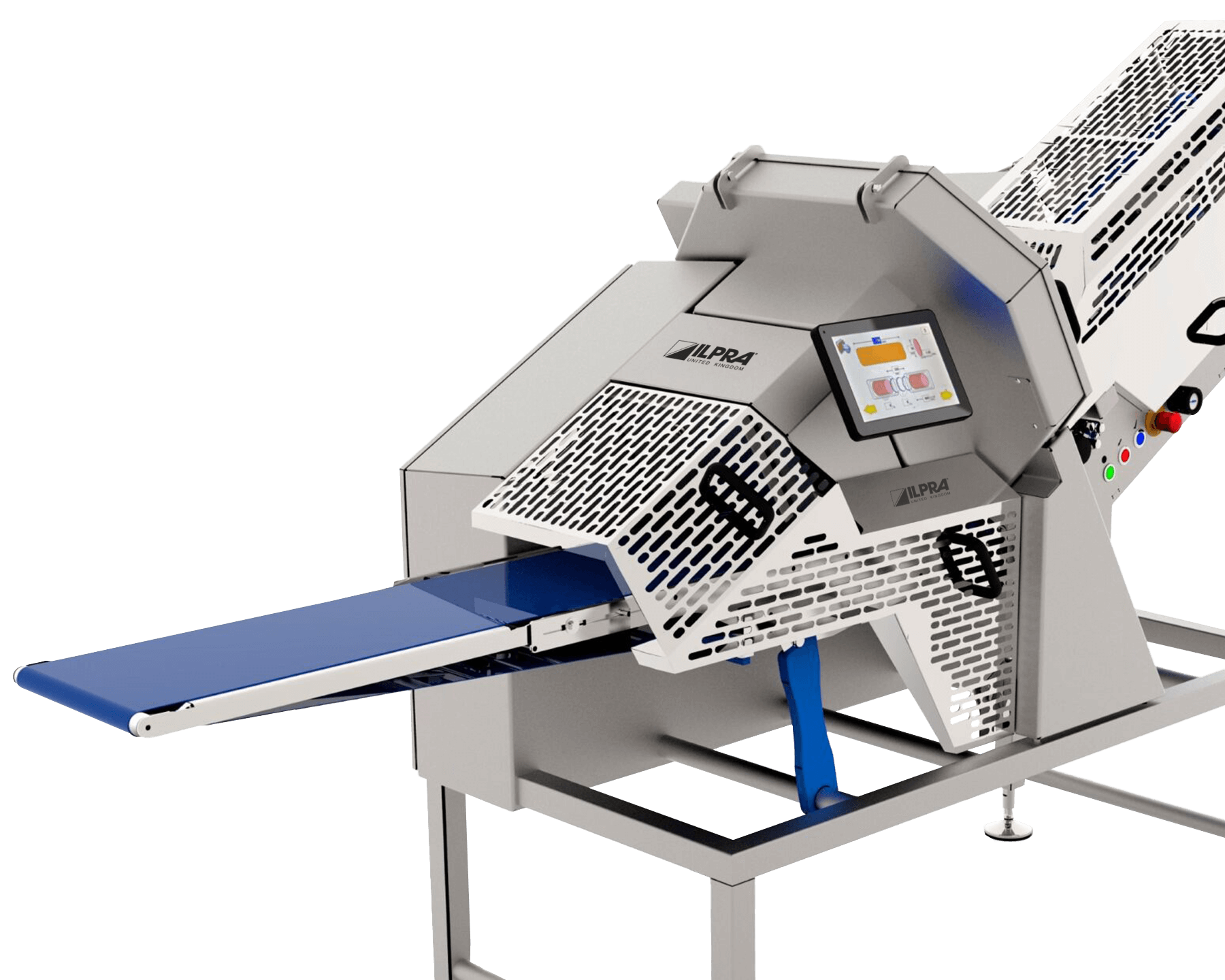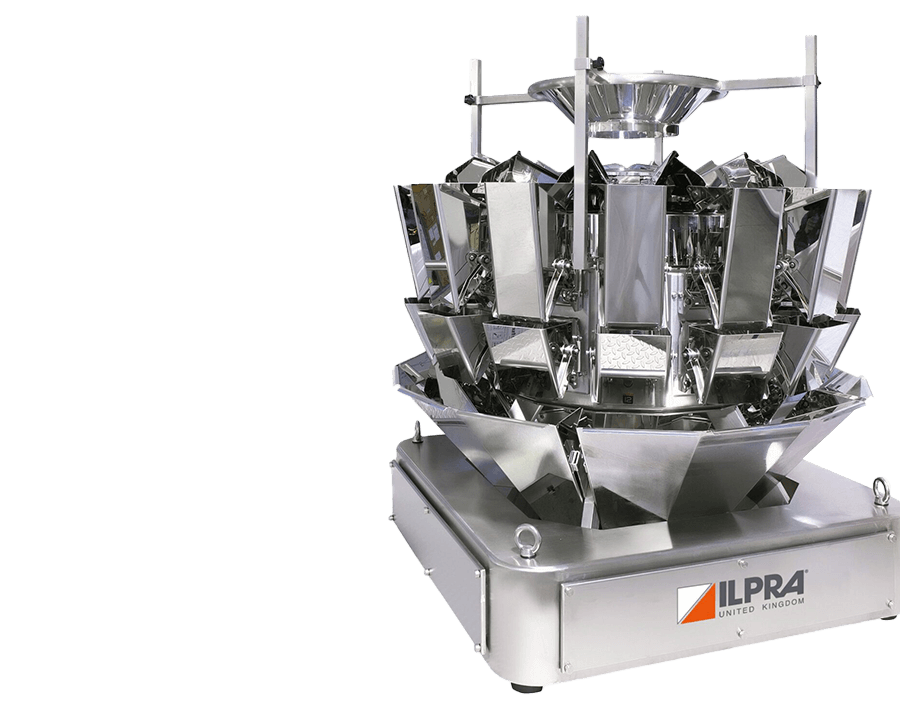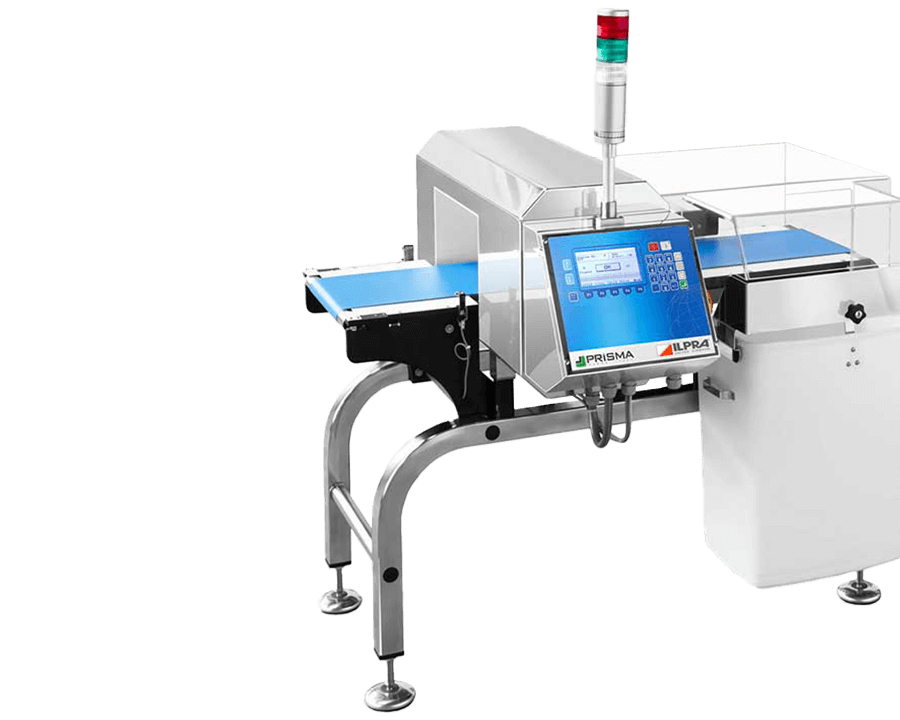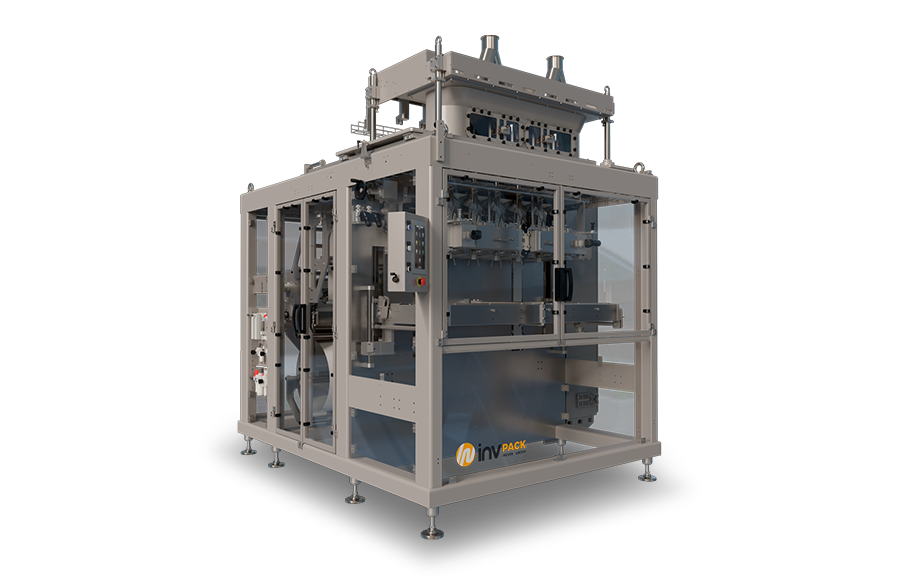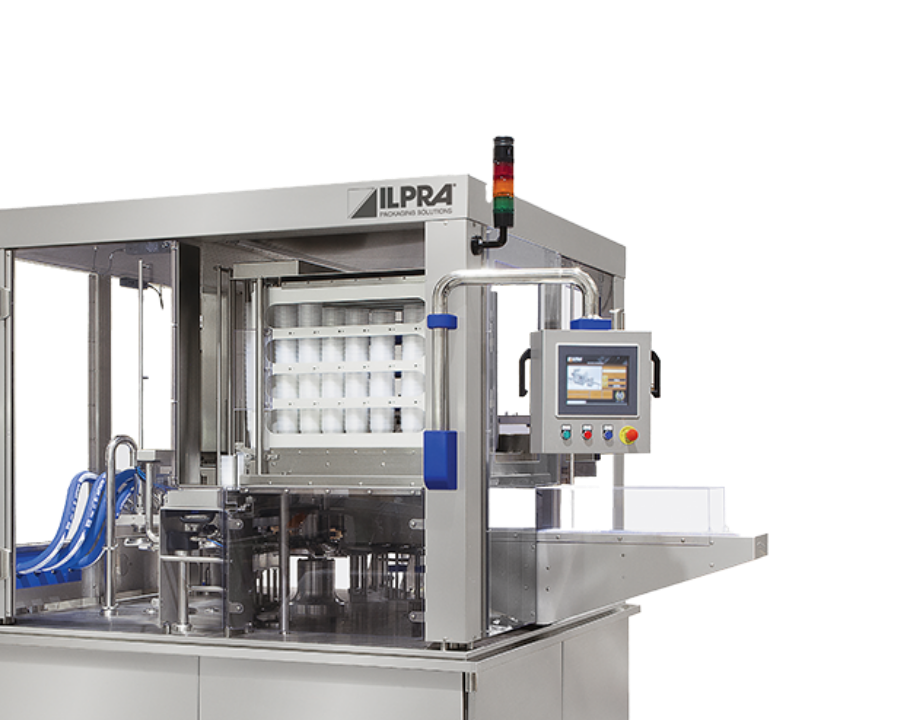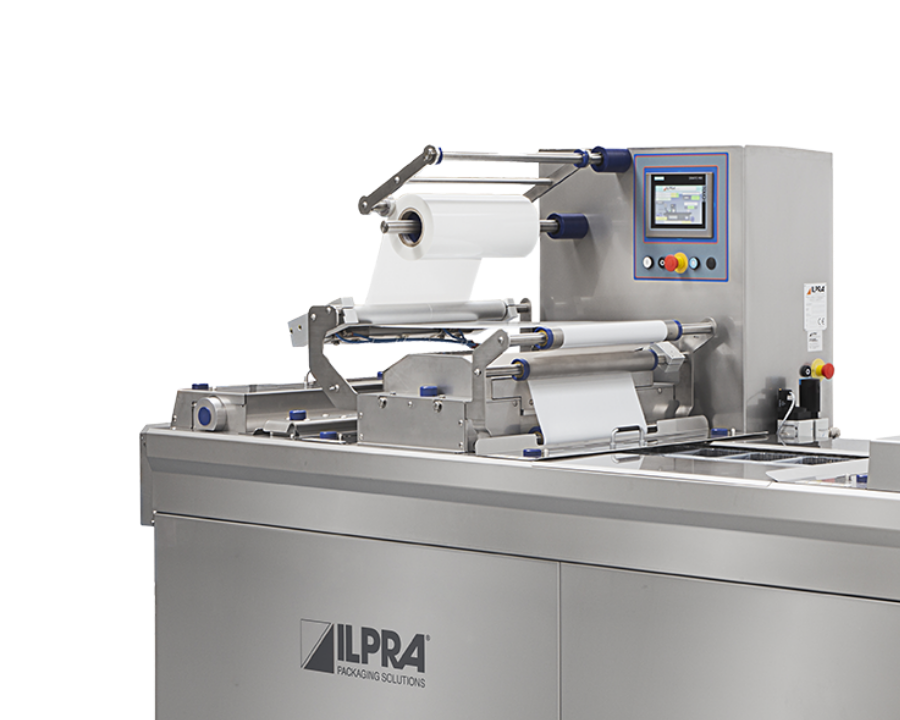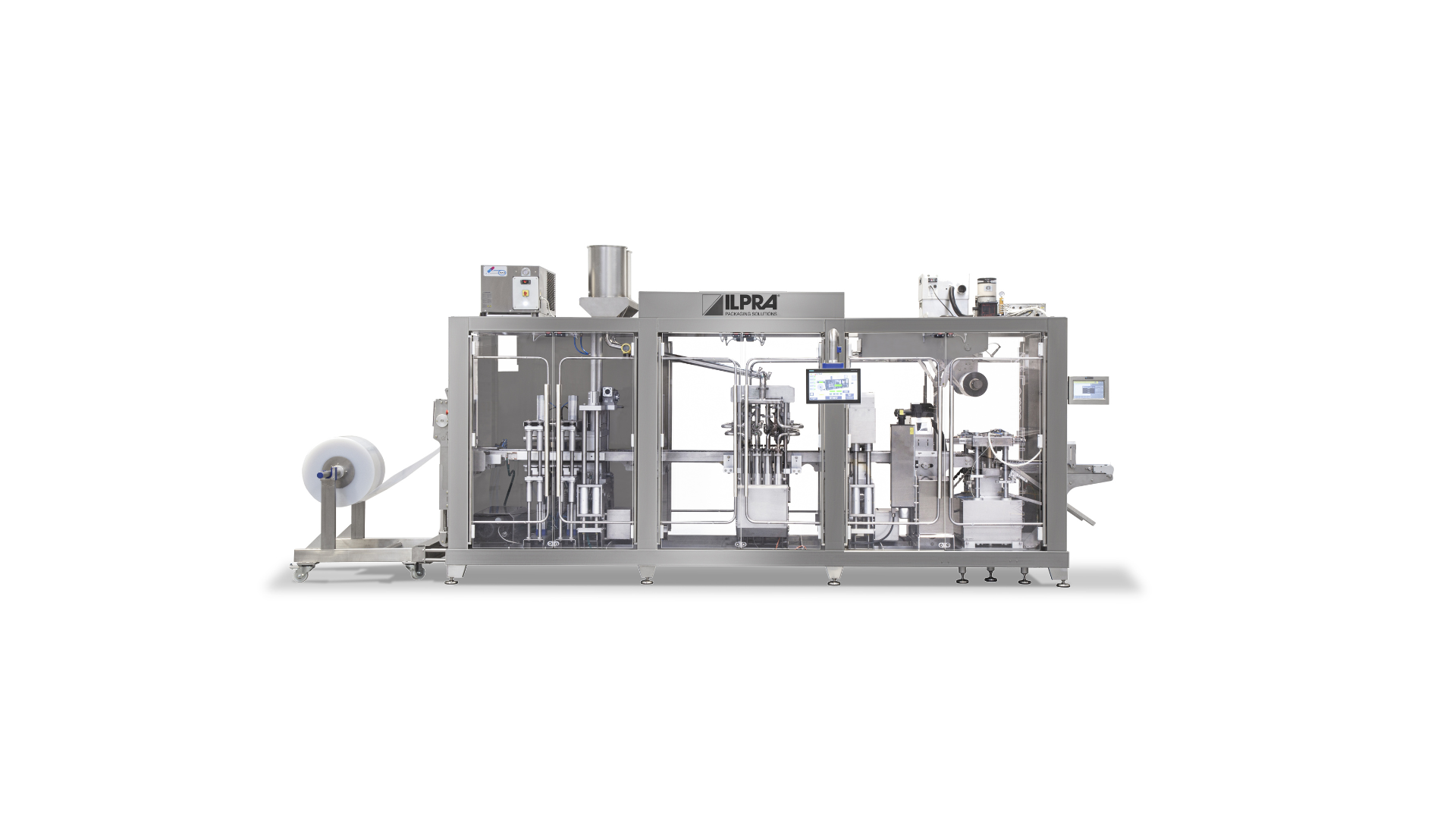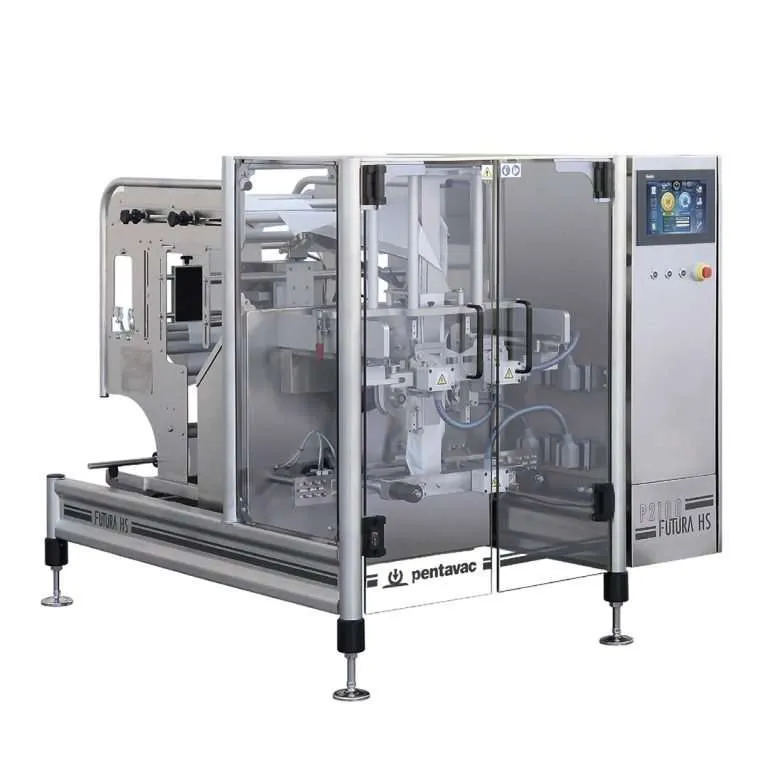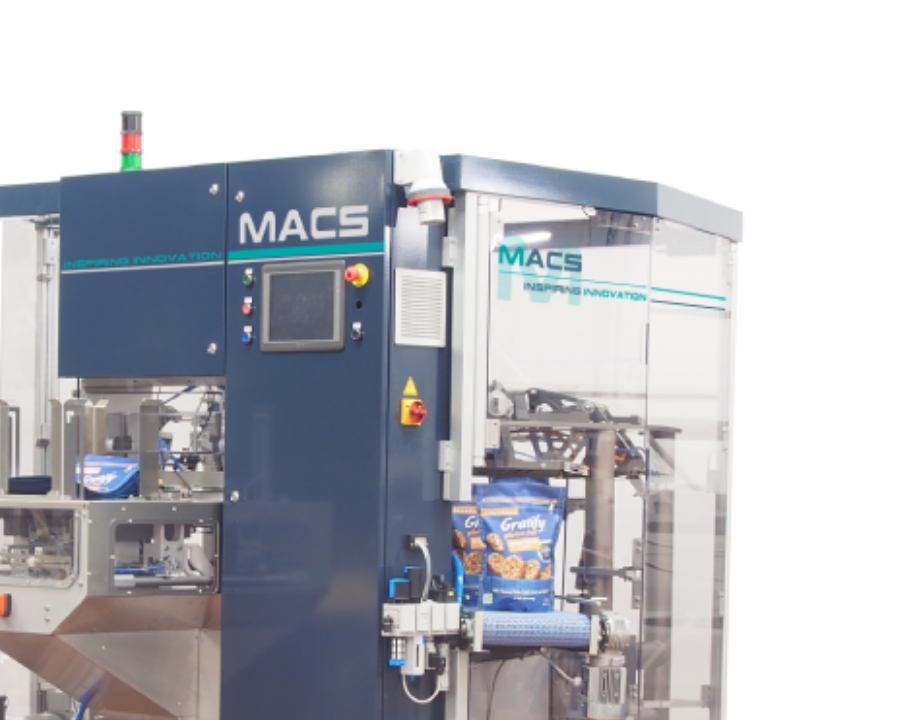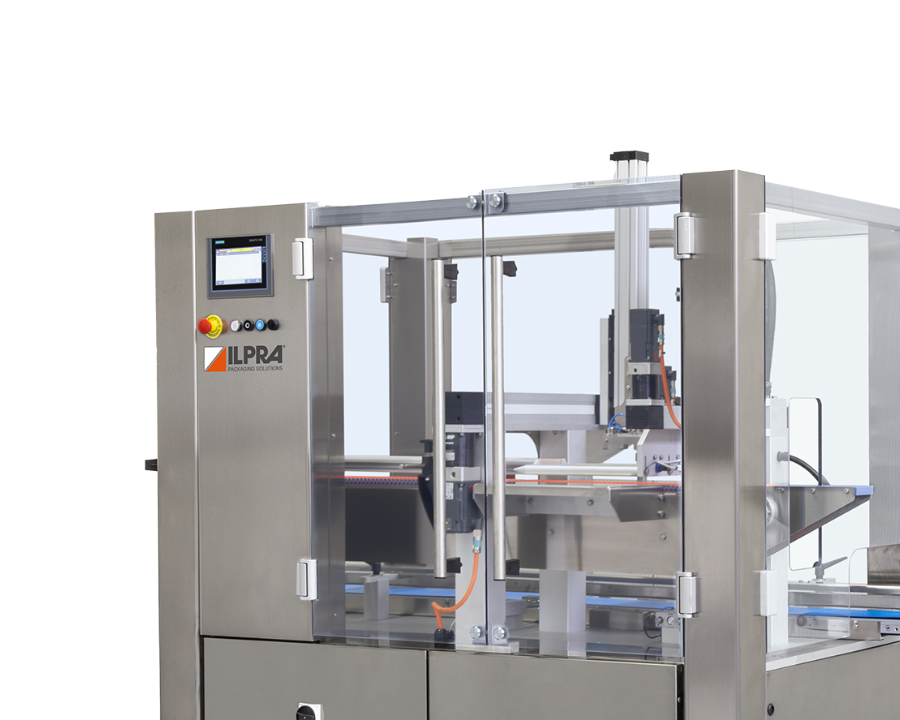
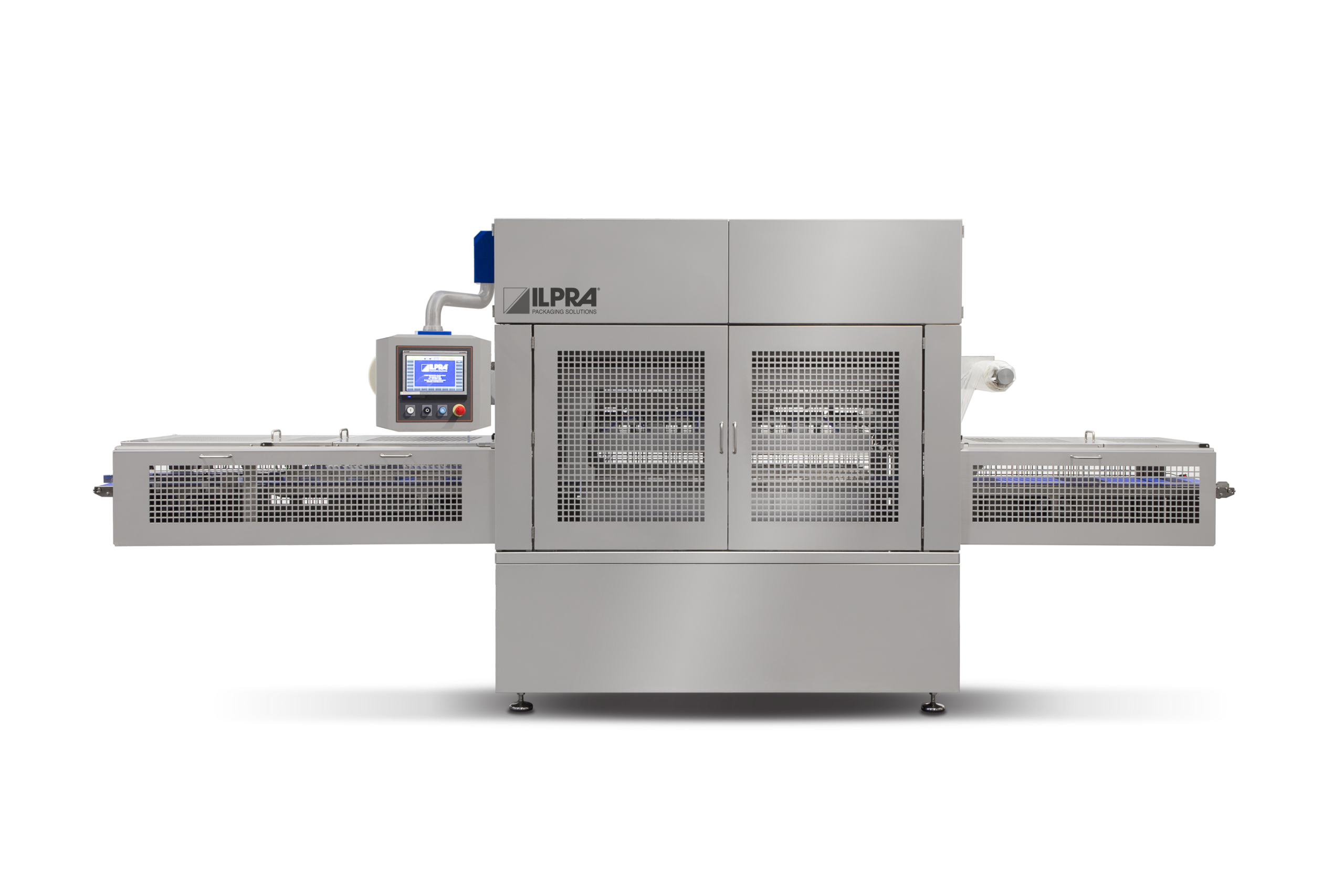
Tray sealers are versatile packaging machines designed to seal a variety of pre-filled trays, enhancing product freshness and extending shelf life. Ideal for applications in the food, pharmaceutical, and consumer goods industries, these machines offer efficient sealing solutions that can be tailored to meet specific packaging requirements.
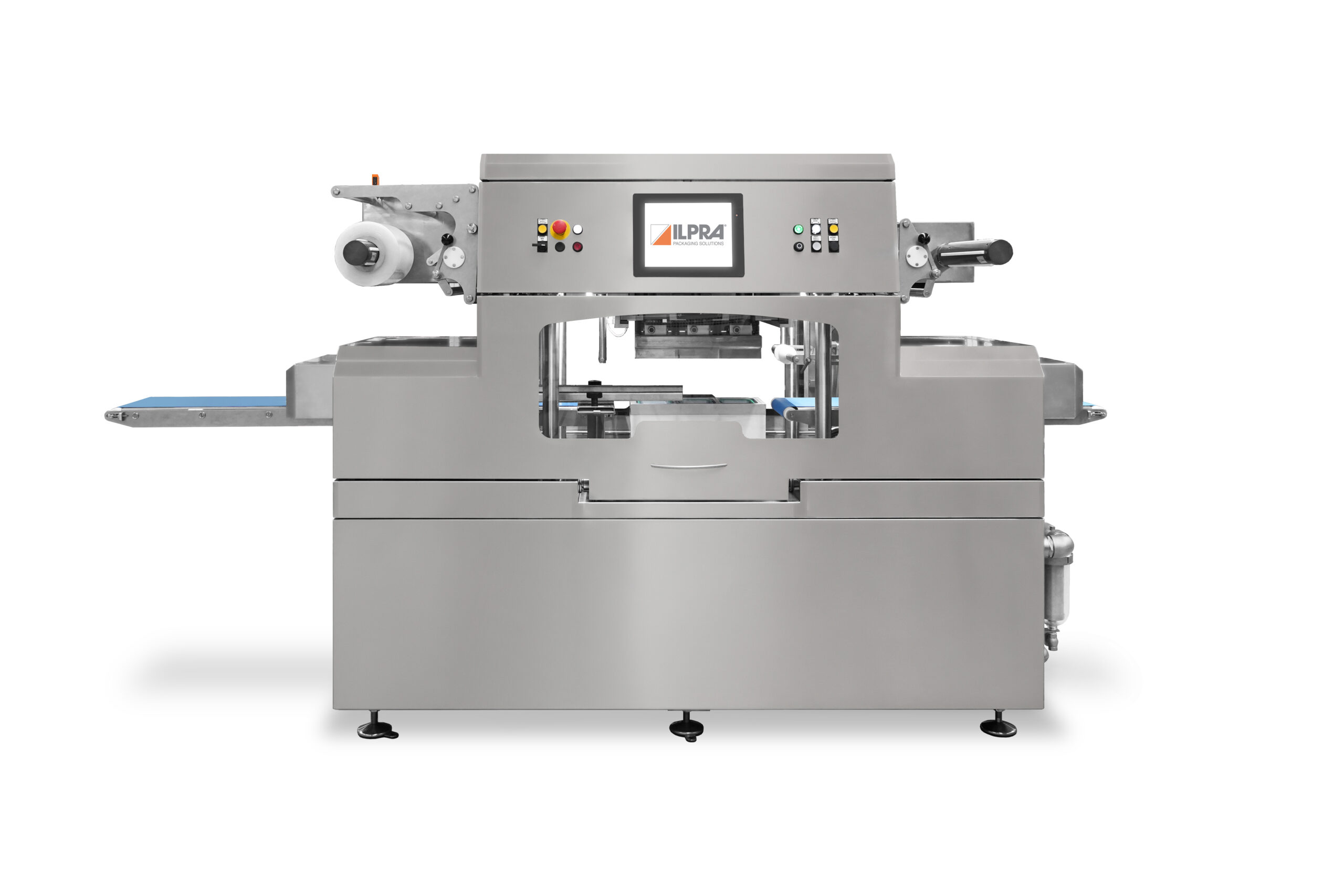
In-line – Tray Sealer
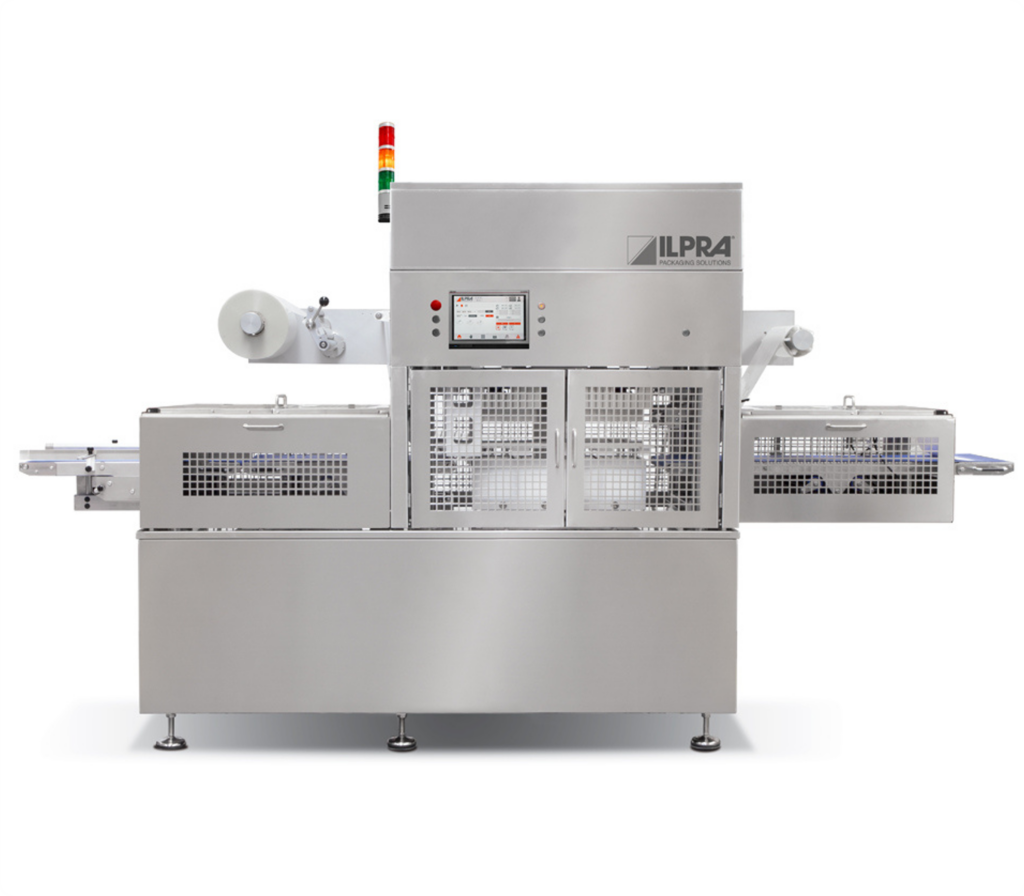
In-line – Tray Sealer
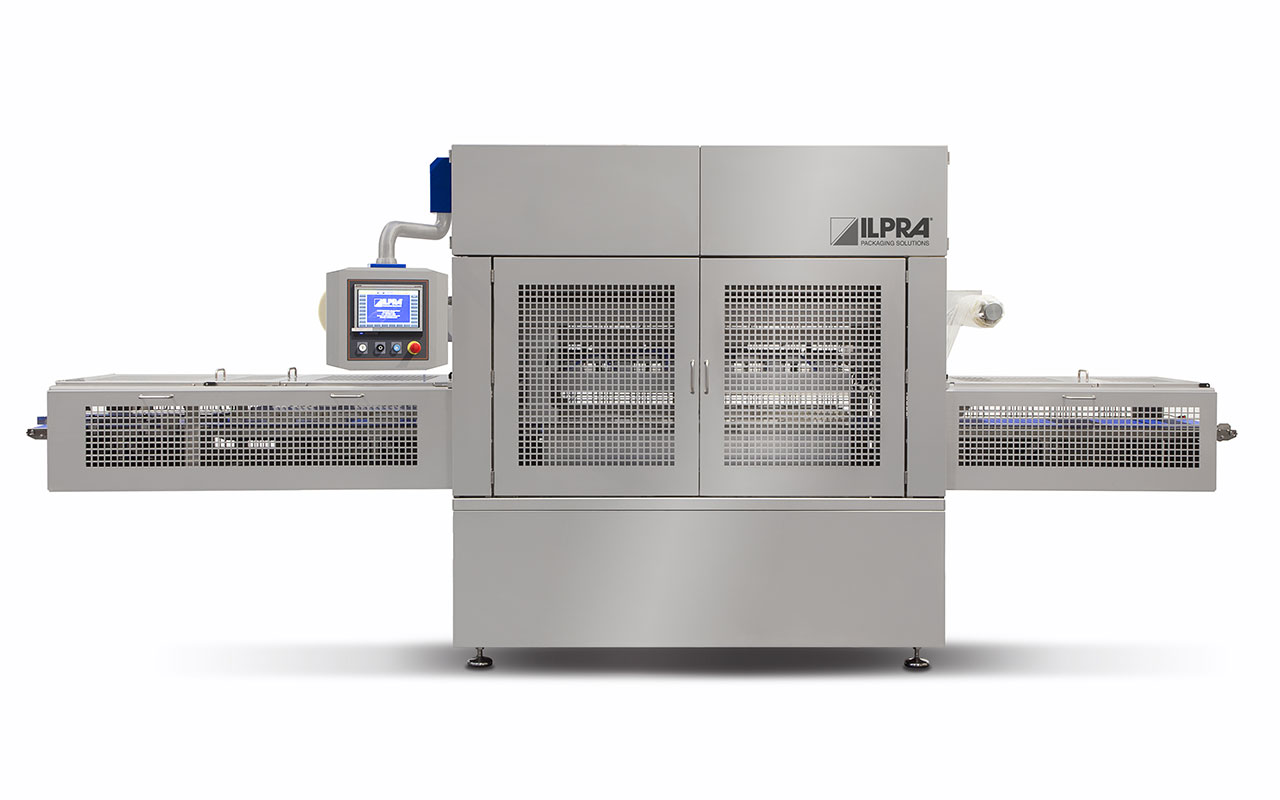
In-line – Tray Sealer
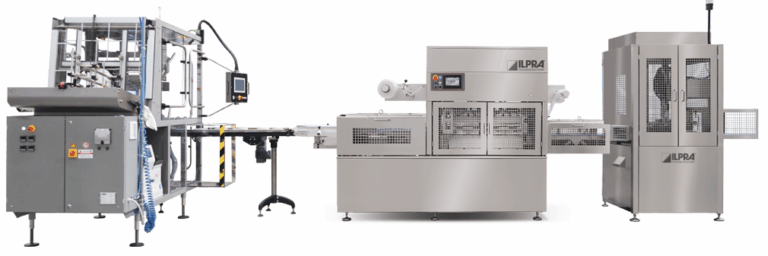
In Line – Tray Sealer
Designed for integration into automated lines, these systems deliver repeatable sealing across high volumes while meeting hygiene, traceability and compliance requirements. They can operate as standalone units or as part of a fully integrated packaging system.
For a comparison of tray sealing within broader packaging technologies, see our guide on traysealers vs thermoformers here.
In industrial use, tray sealing machines are built for continuous operation with minimal manual input:
This helps maintain consistent output, reduce labour and minimise variability. If you’re evaluating equipment options and want to understand how to select the most suitable system, read our guide on choosing the right packaging machine here.
Tray sealing helps food manufacturers increase throughput, improve consistency, reduce waste and integrate smoothly into existing or new production lines. It also supports food safety, traceability and more sustainable packaging by working with recyclable materials and helping reduce packaging waste.
It is widely used across bakery, dairy, frozen food, meat, pet food, produce and ready meals, where product protection, shelf life and efficient production are essential. Overall, it provides a reliable, scalable packaging solution that helps maintain product quality while meeting operational, regulatory and environmental demands.
FAQs
Tray Sealer FAQs
Throughput varies depending on the level of automation, tray format and application, but industrial tray sealers are designed to operate at high speeds, typically ranging from tens to several hundred trays per minute in fully automated configurations. The exact output will depend on the machine specification and how it is integrated into your production line.
Tray sealing systems are highly versatile and can handle a wide range of tray materials, including plastic, recyclable mono-materials and cardboard-based options, depending on the sealing system. They can also accommodate multiple tray sizes and formats, making them suitable for diverse product ranges within a single production line.
Yes, many industrial tray sealing machines support vacuum skin packaging. This involves removing air and applying a skin-tight film over the product, which improves presentation, extends shelf life and enhances product protection, particularly for premium or high-value food products.
Industrial tray sealing machines are built for continuous operation and high reliability. With regular maintenance and servicing, they are designed to achieve high uptime levels in demanding production environments. Service intervals depend on usage and configuration, but preventative maintenance is typically scheduled to minimise downtime and ensure consistent performance.
Modern tray sealing systems can be integrated with monitoring and control systems that track key performance indicators such as output, seal quality and machine efficiency. This data allows operators to optimise settings, identify issues early and maintain consistent performance across the production line.
Get in touch with our team for tailored advice on which packaging solution is right for your products.