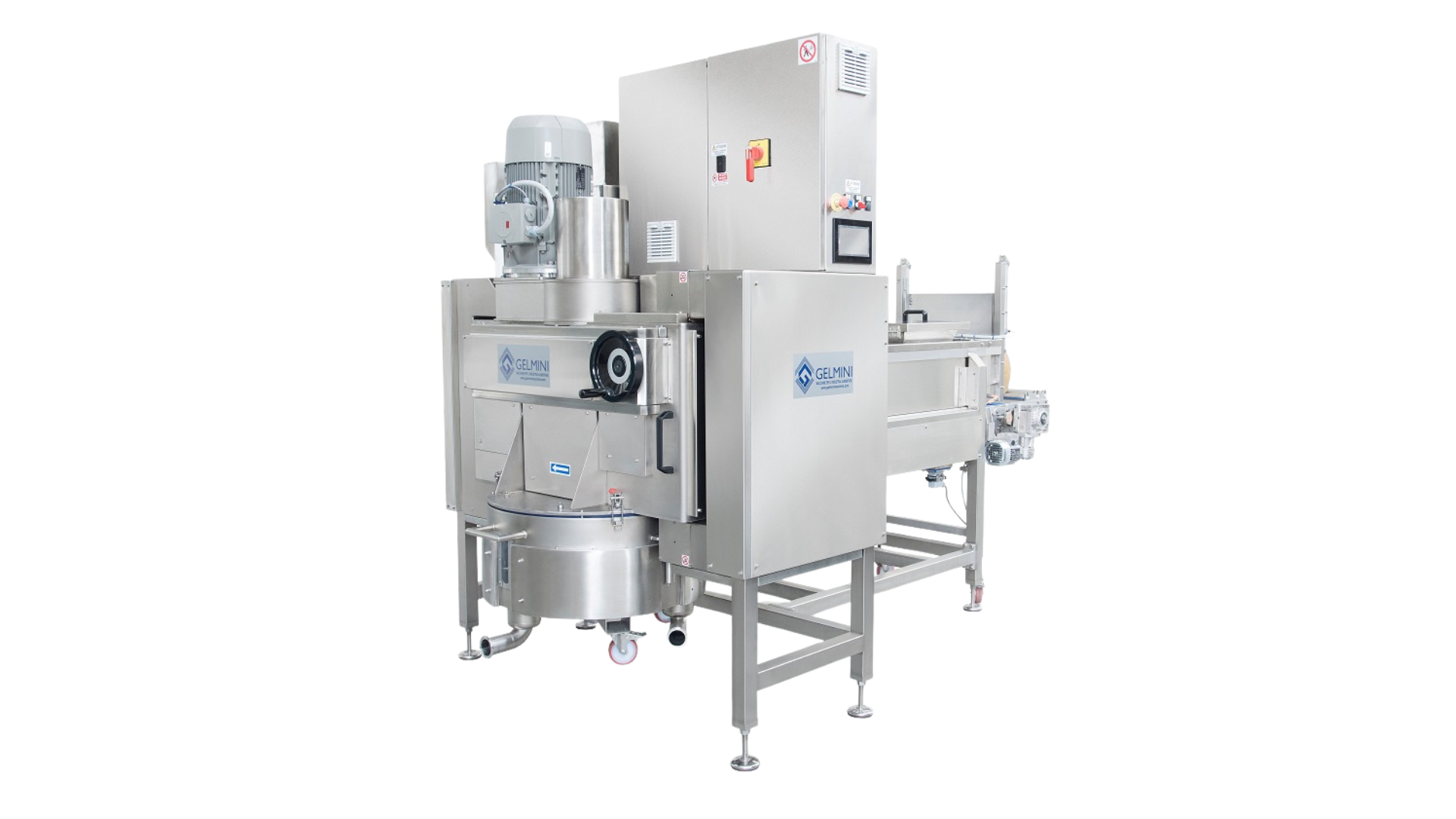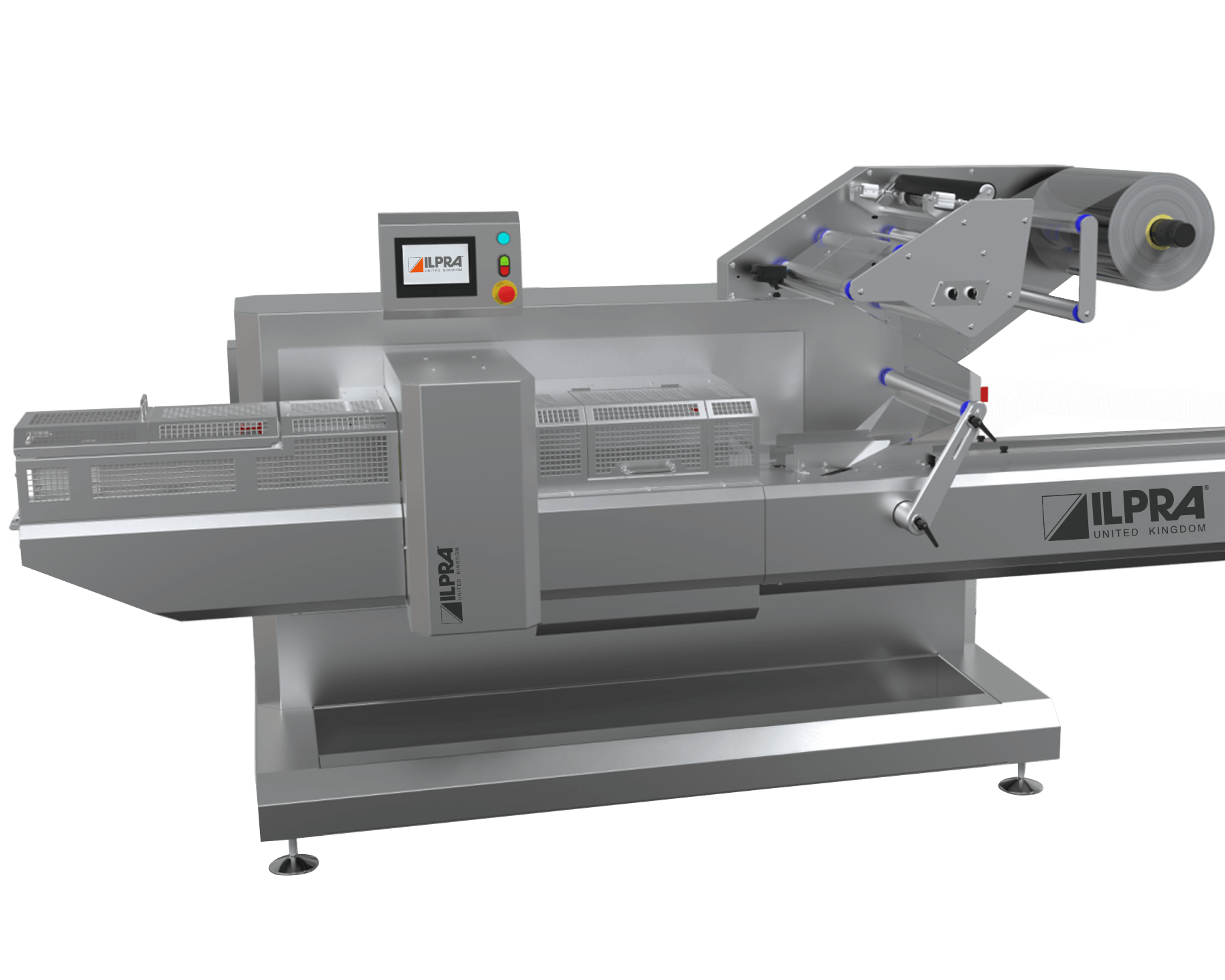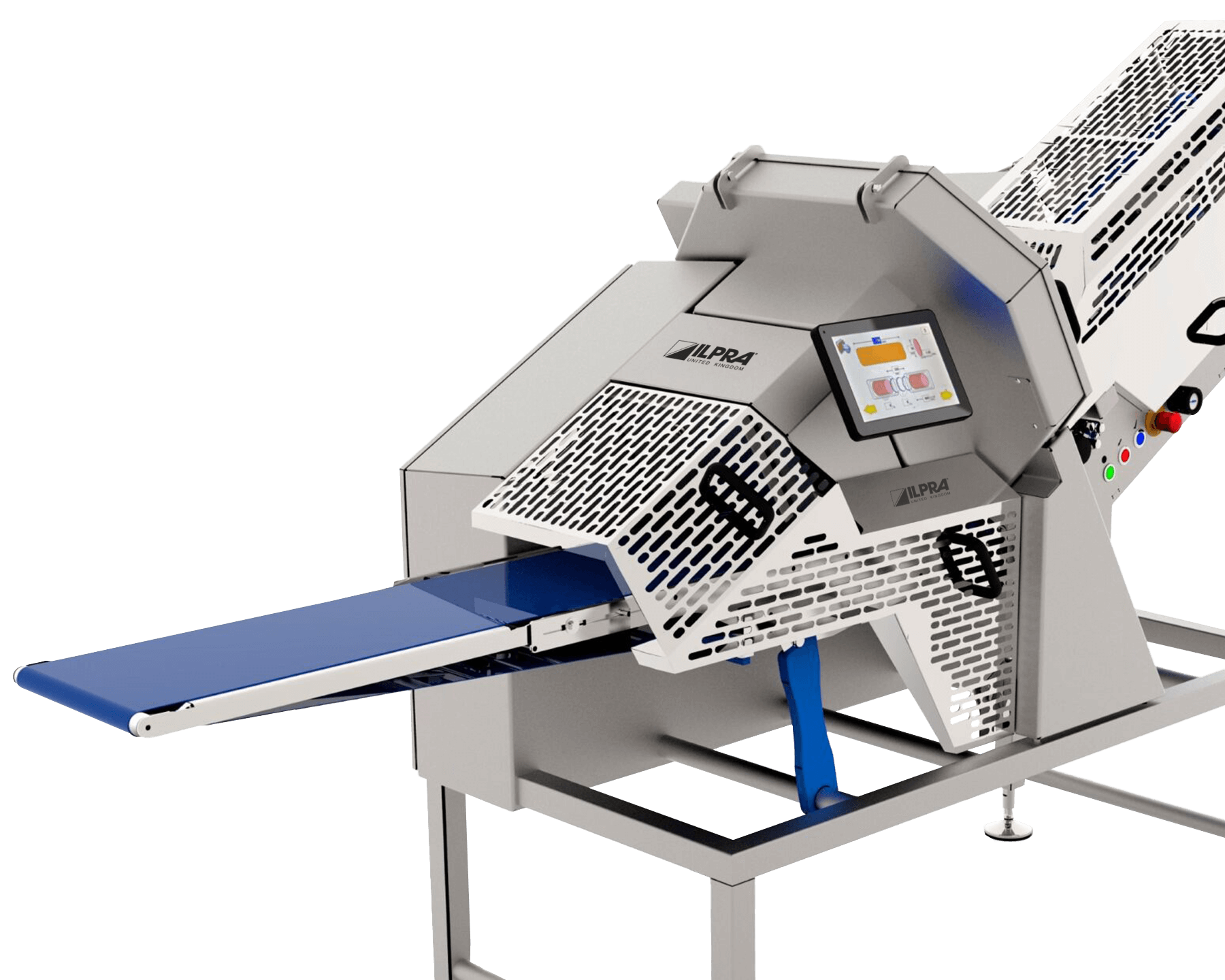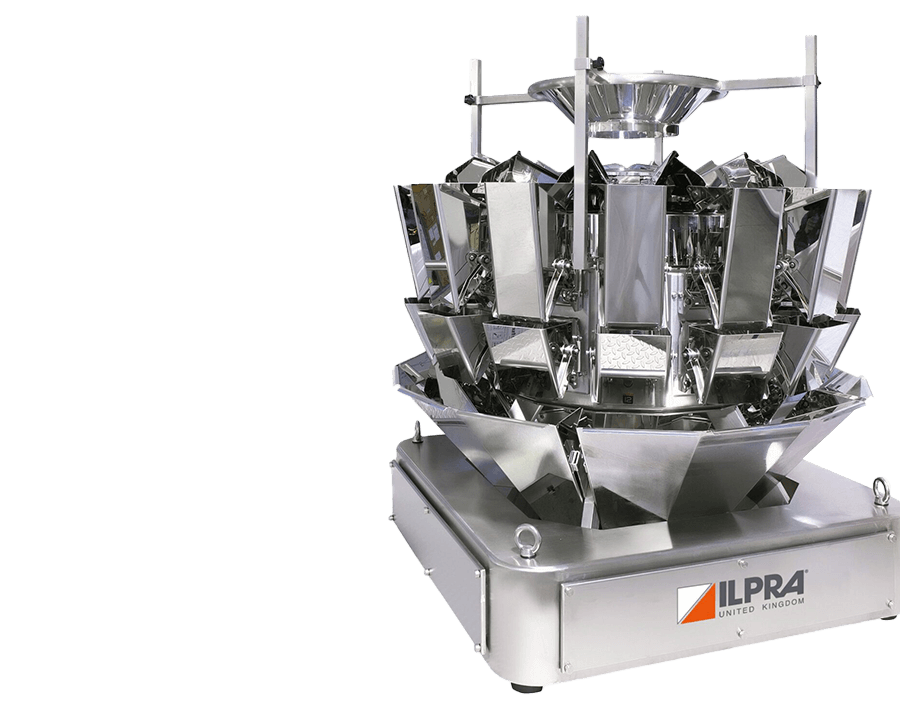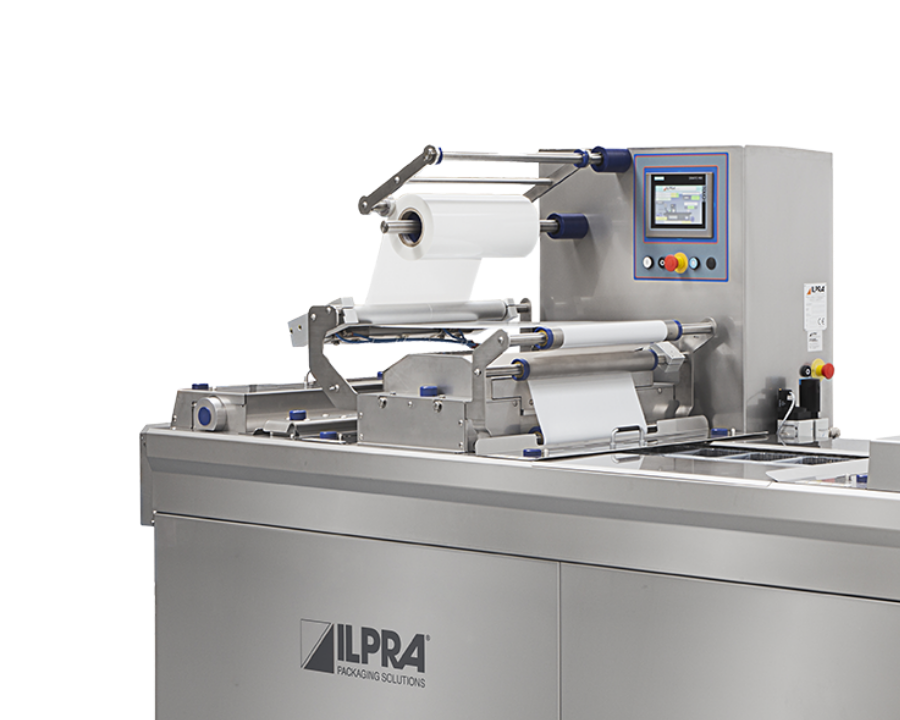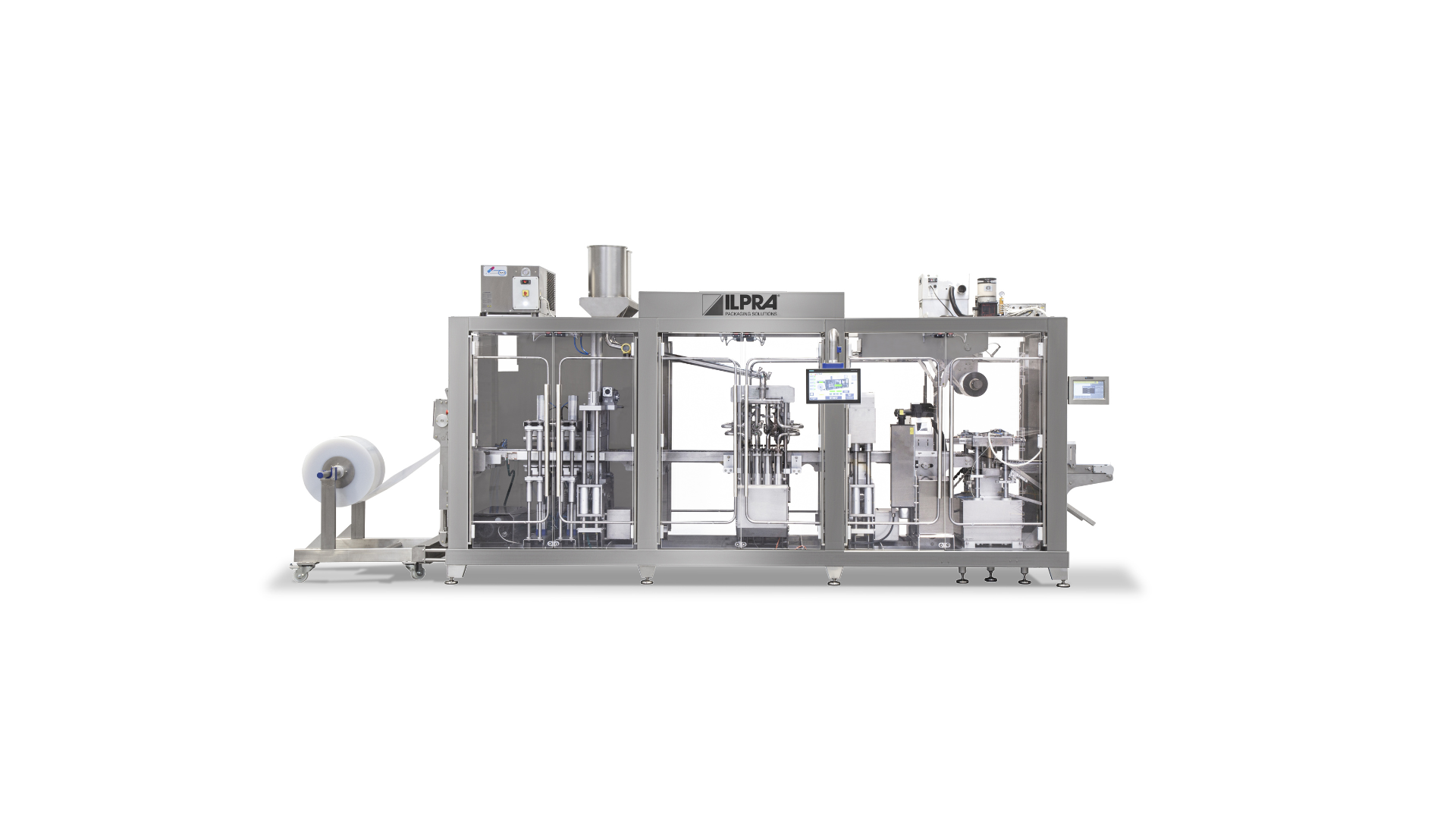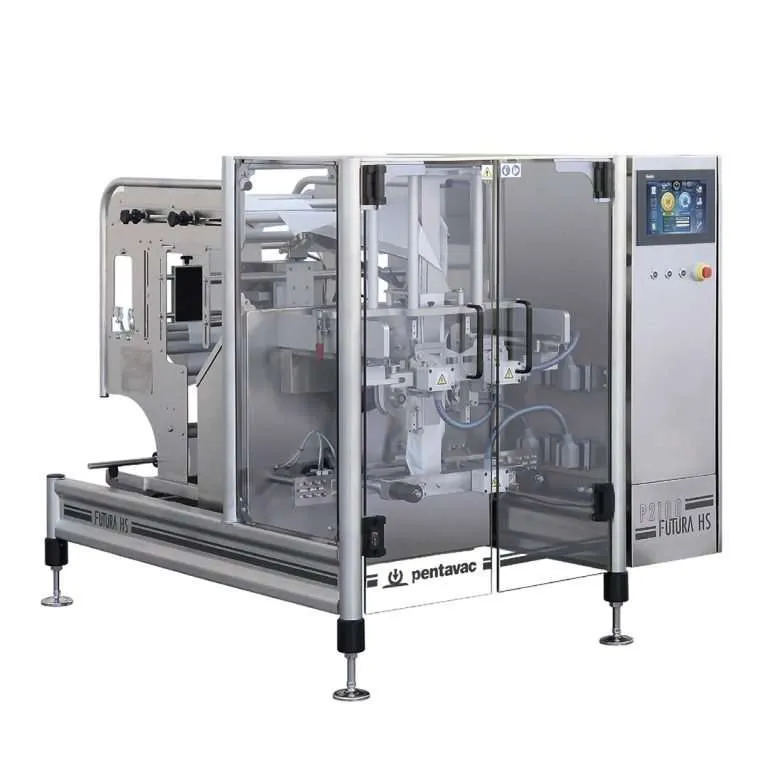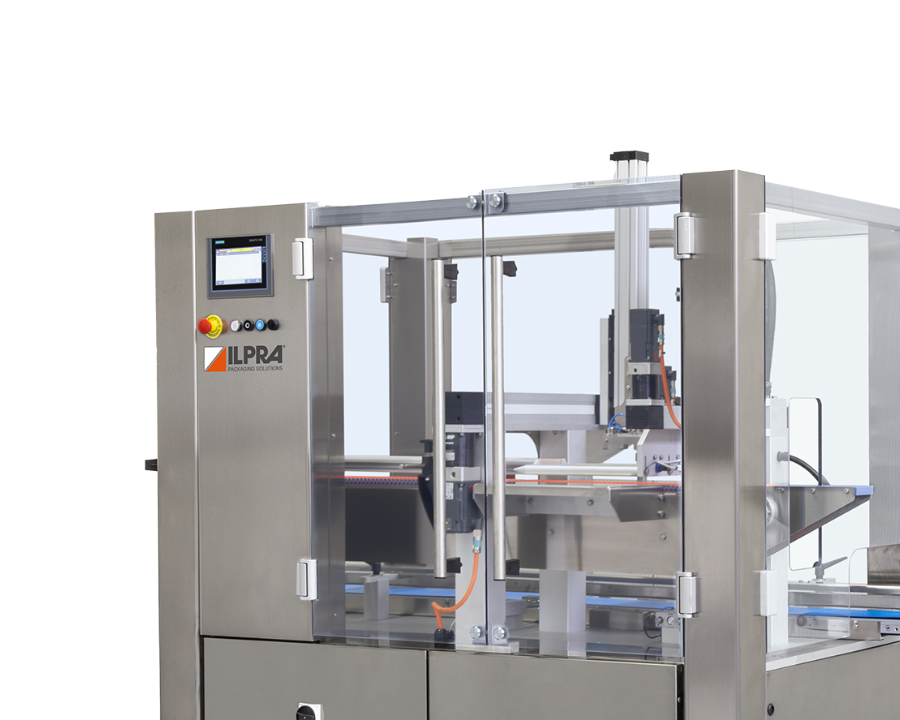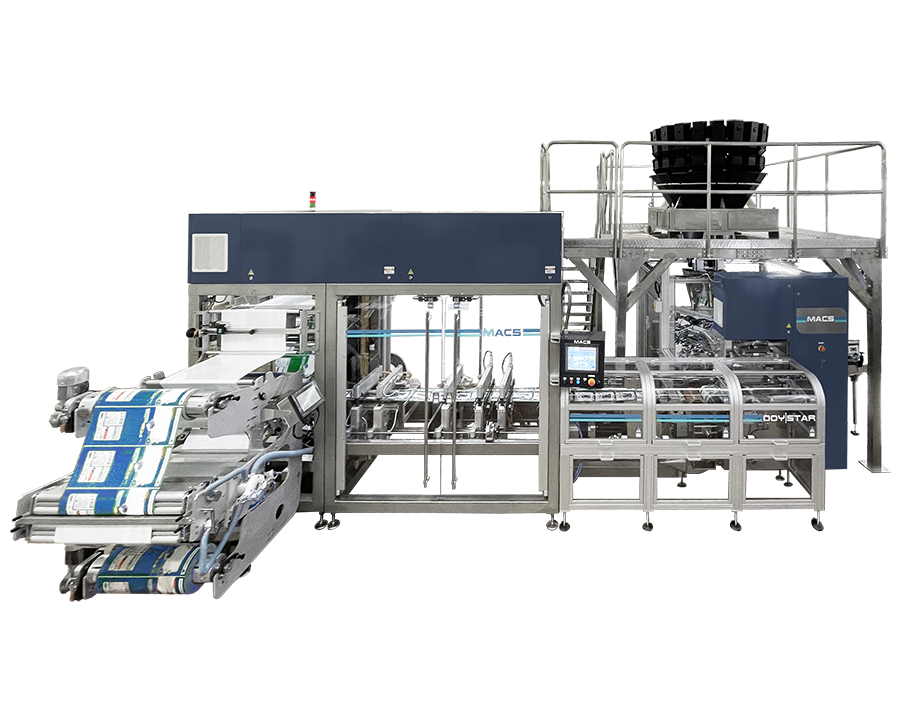
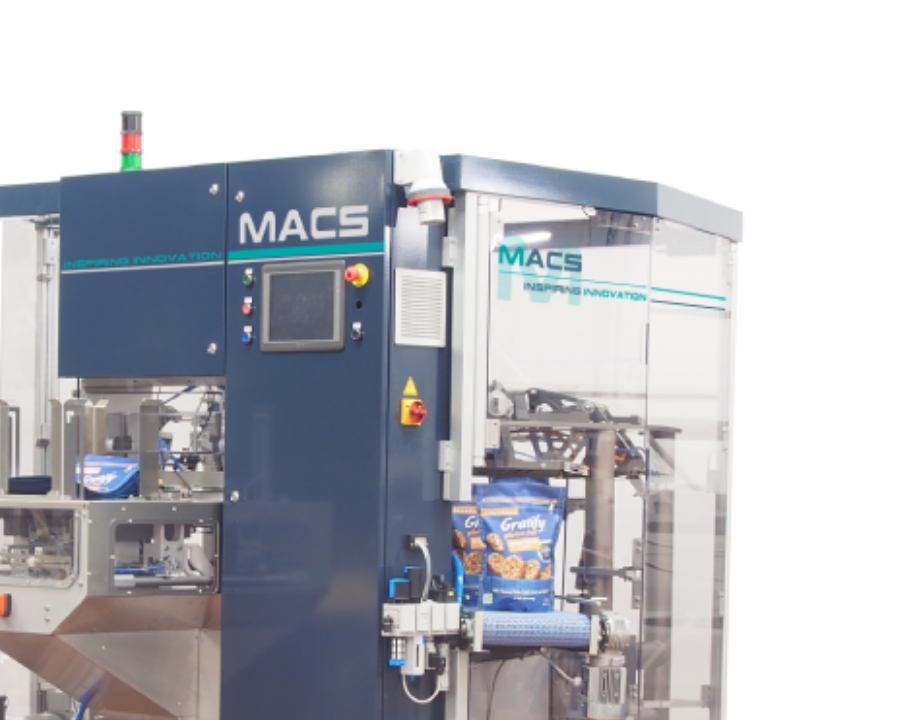
Doypack machines are specialised for creating stand-up pouches with a resealable closure, offering a flexible packaging solution that enhances product appeal and convenience. These machines are available for entry-level operations with basic needs and high-level operations requiring advanced features and higher production capacities.
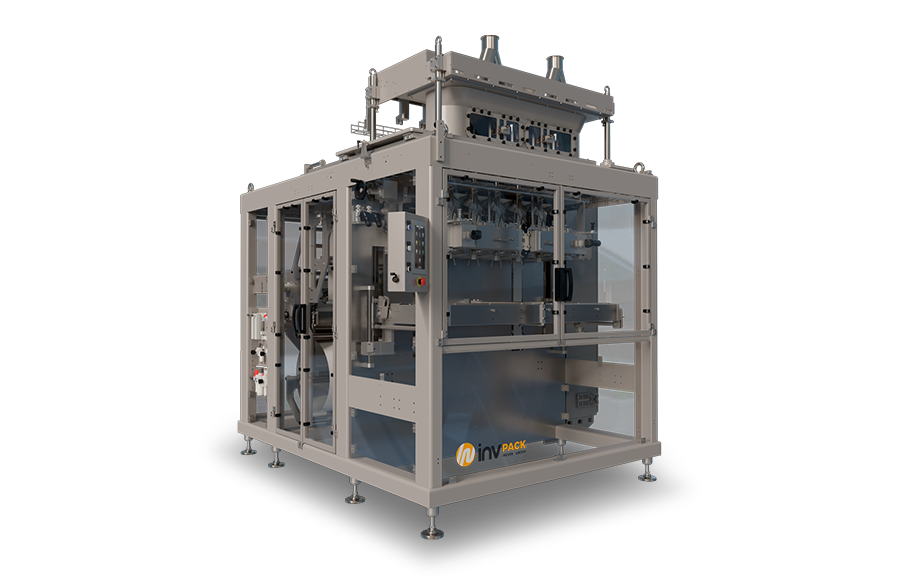
Doypack and pouch packaging machines are developed to automate the production of flexible stand-up pouches, enabling efficient filling and sealing across a wide range of products. These systems can work with pouches formed directly from rollstock film or with premade pouches that are fed into the machine, giving manufacturers flexibility in how their packaging is produced.
They are commonly installed within automated production lines but can also function independently, providing reliable, repeatable output while supporting hygiene, traceability and operational efficiency requirements.
This choice between formats can have a significant impact on production speed, efficiency and pack presentation, which we explore in more detail in our guide on film-made vs premade pouch options.
For industrial applications, these machines are engineered to run continuously with minimal operator involvement:
This structured process helps maintain uniform pack quality while improving efficiency and reducing manual handling. For a deeper look at how different product types behave during filling, including liquids, powders and granules, see our guide on filling liquids, powders and granules in flexible packaging.
Flexible pouch formats are widely adopted because they combine practical performance with strong visual appeal. Using doypack and Pouch machinery allows manufacturers to streamline production, reduce packaging material usage and improve overall line efficiency.
The format also supports product protection through reliable seals and barrier properties, while offering added convenience to end users through resealable closures and easy-to-use designs. In addition, lightweight packaging can contribute to lower transport and storage costs.
Doypack and pouch systems are used across a broad range of sectors where flexible packaging provides advantages in both production and presentation.
They are commonly applied to products such as dry goods, pet food, condiments, grab and go snacks and non-food items, particularly where shelf life, convenience and visual impact are important.
Overall, these machines offer a flexible and scalable solution for businesses looking to optimise packaging performance while adapting to changing market needs.
FAQs
Doypack & Pouch Machine FAQs
Throughput depends on the machine configuration, pouch format and product type being filled. Entry-level systems may operate at lower speeds for more flexible production, while high-capacity automated lines are designed for significantly higher outputs. Factors such as fill volume, closure type and handling complexity can also influence overall speed.
Doypack and pouch machines are designed to handle a wide range of pouch sizes, from small single-serve packs through to larger retail-ready formats. Compatibility also extends to different pouch structures, including stand-up pouches, gusseted designs and formats with added features such as spouts or zippers, depending on the machine specification.
Yes, these systems can be configured for a variety of product types including liquids, powders and granules. The filling technology used will depend on the product characteristics, such as flow behaviour, viscosity and dosing accuracy requirements, to ensure consistent and reliable filling performance.
Many doypack and pouch systems can be equipped to apply or work with additional packaging features such as resealable zippers, spouts and caps. These options are typically used for products where convenience, reusability or controlled dispensing is important.
Uptime and servicing schedules vary depending on usage intensity, production environment and machine specification. Industrial systems are generally designed for continuous operation, with routine maintenance intervals recommended to ensure consistent performance and minimise unplanned downtime.
Modern packaging lines often include monitoring systems that track output, efficiency and machine status in real time. This allows operators to identify bottlenecks, adjust settings and optimise performance across the line. Regular maintenance, correct machine setup and appropriate product-to-machine matching also play a key role in maintaining efficiency.
Get in touch with our team for tailored advice on which packaging solution is right for your products.