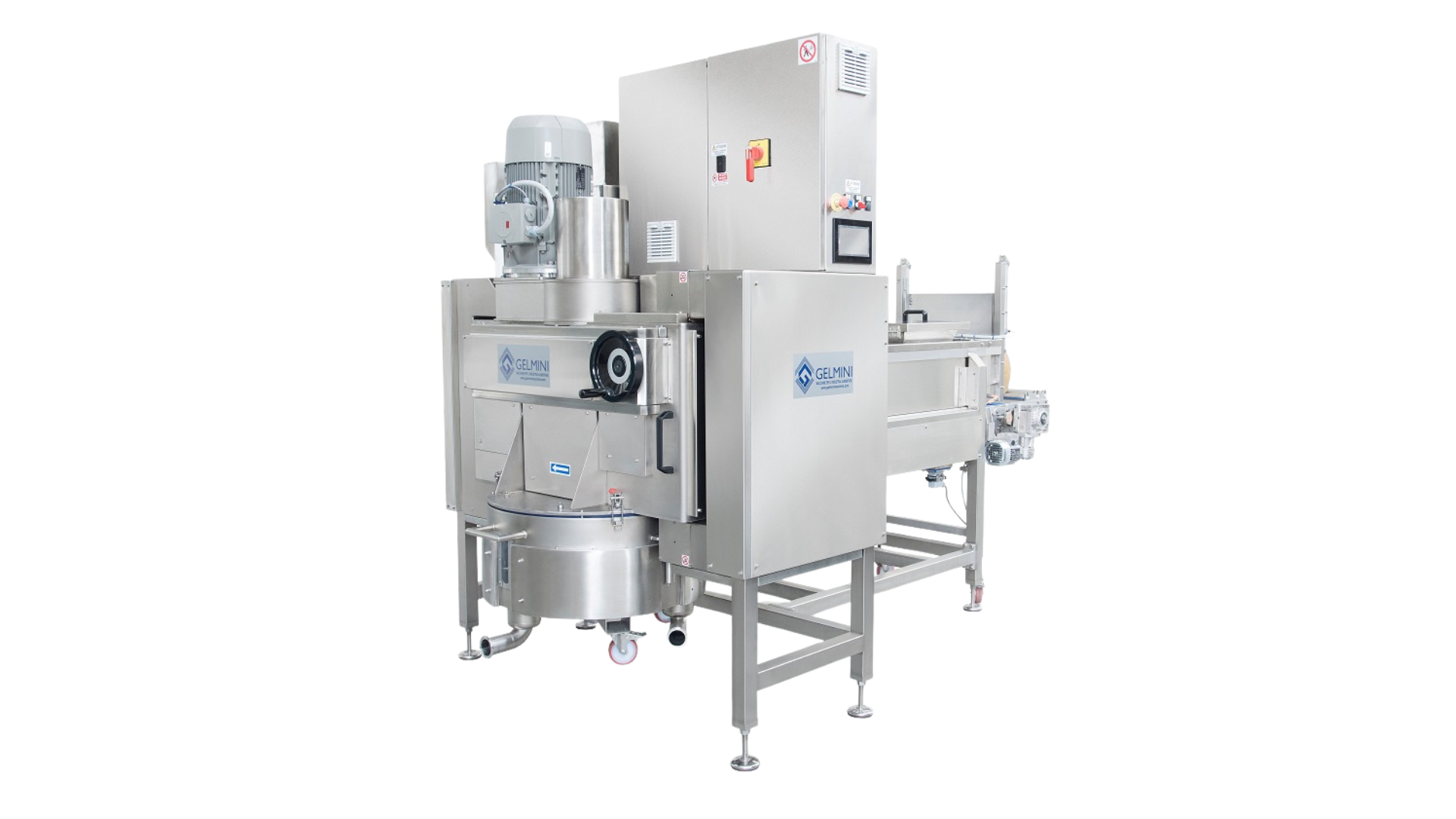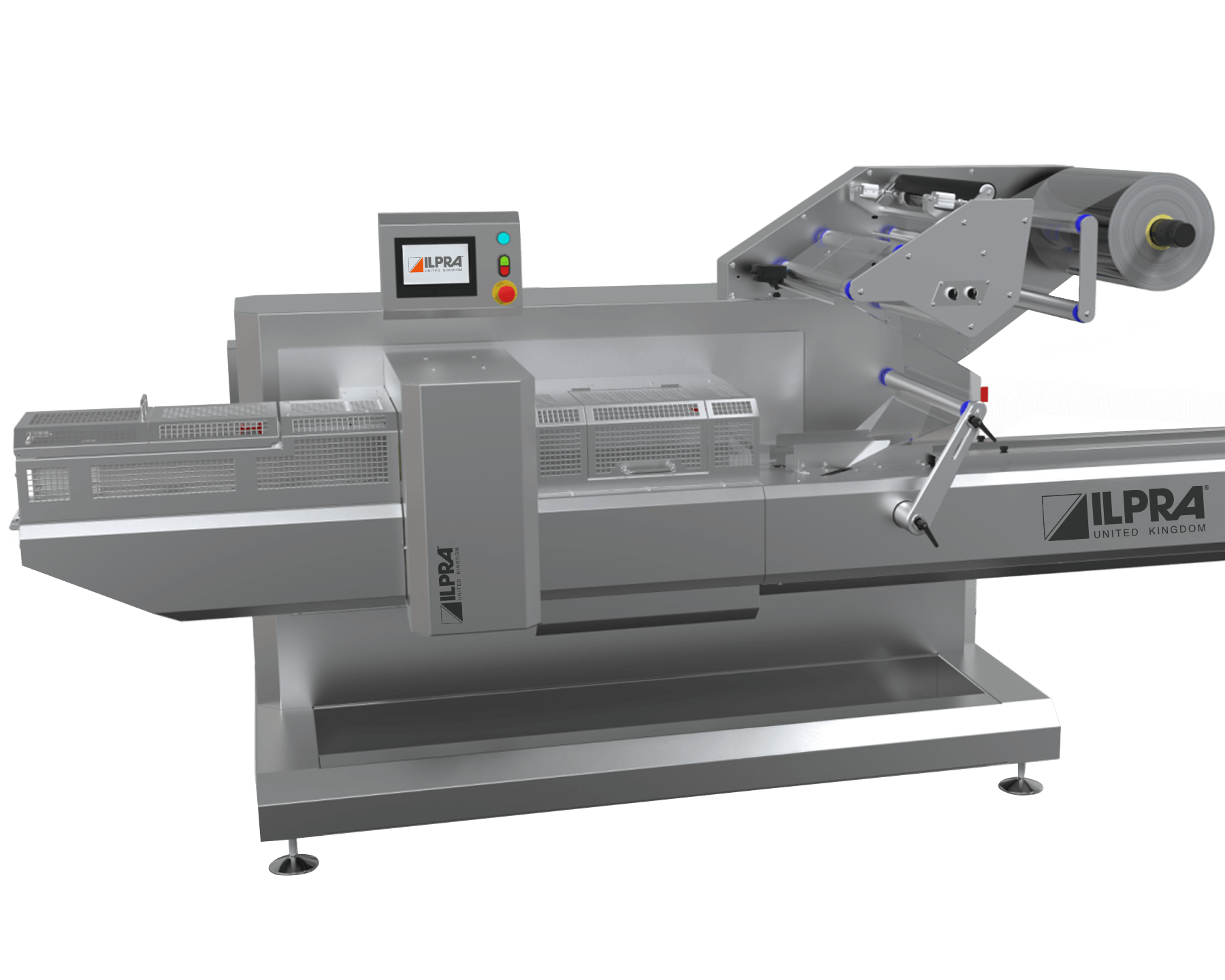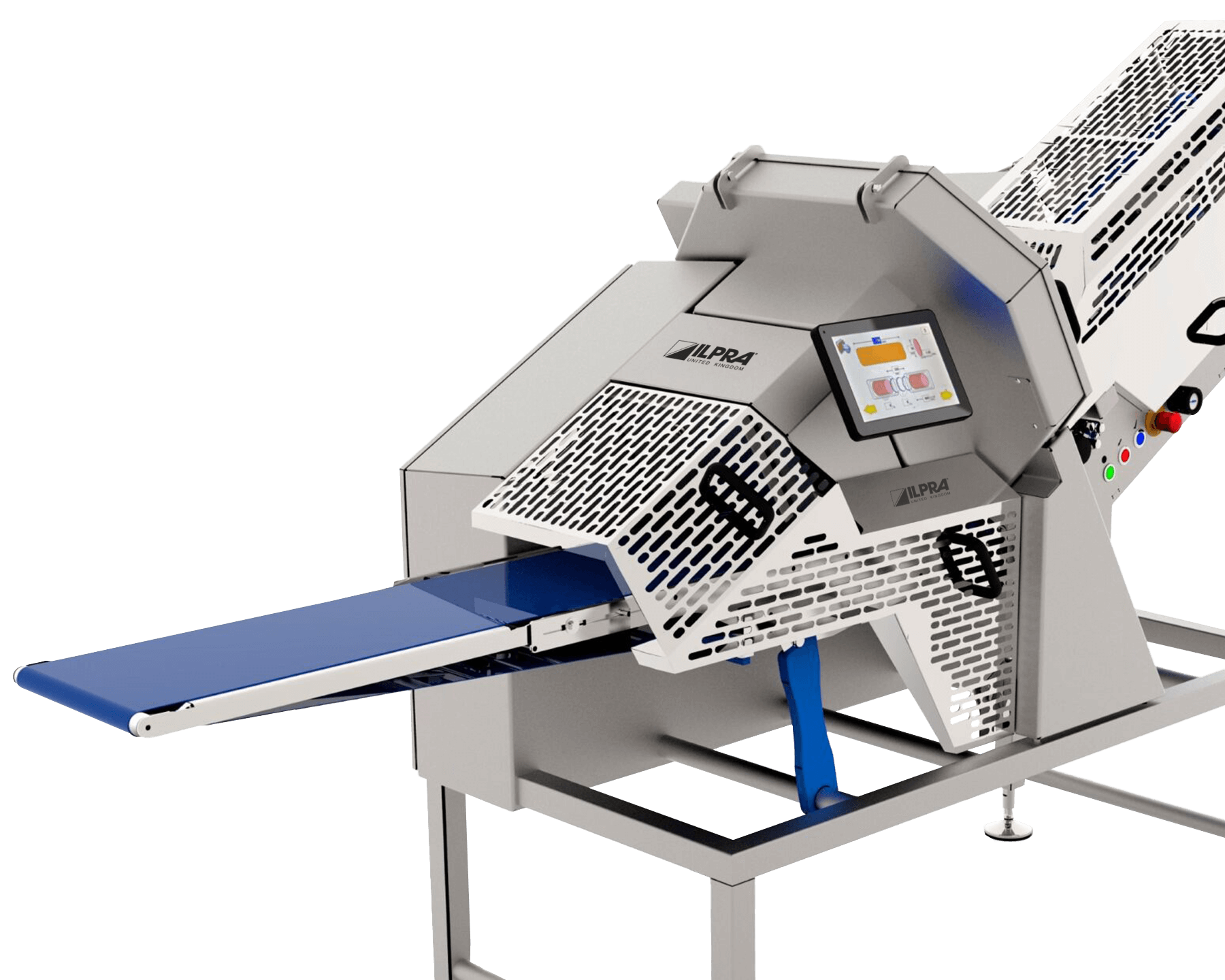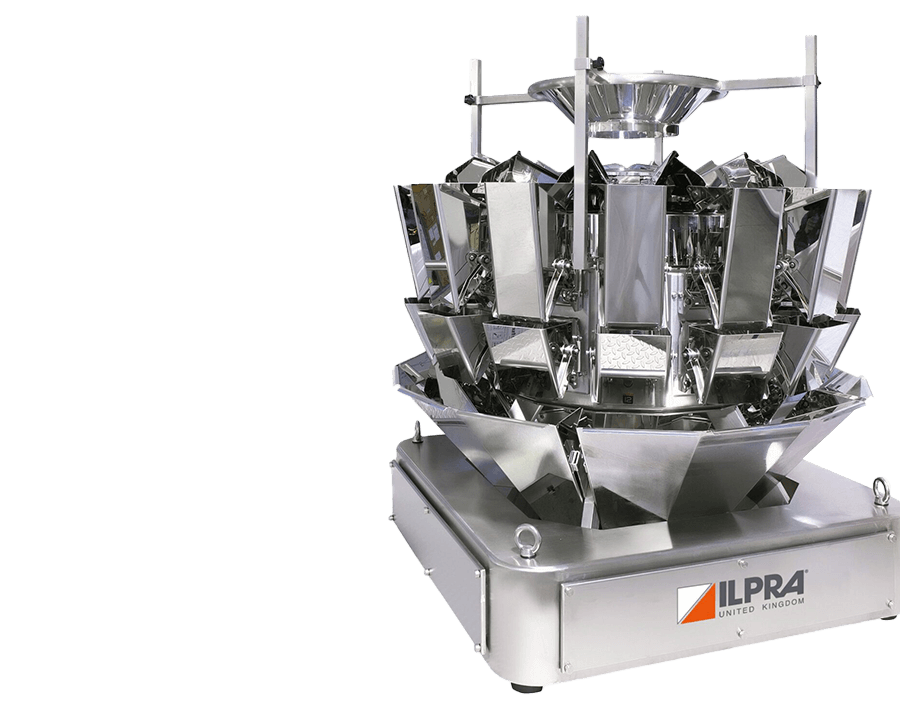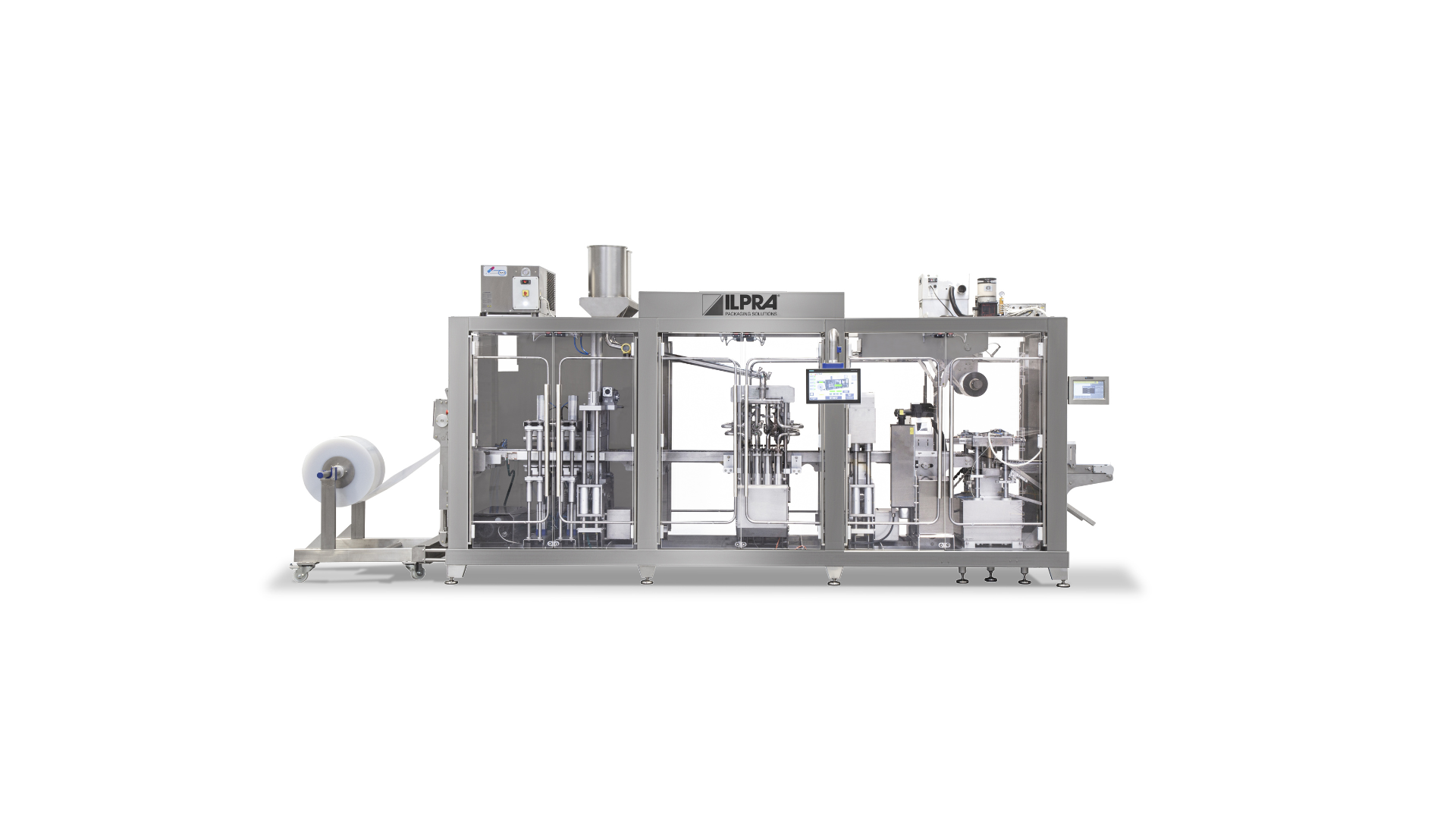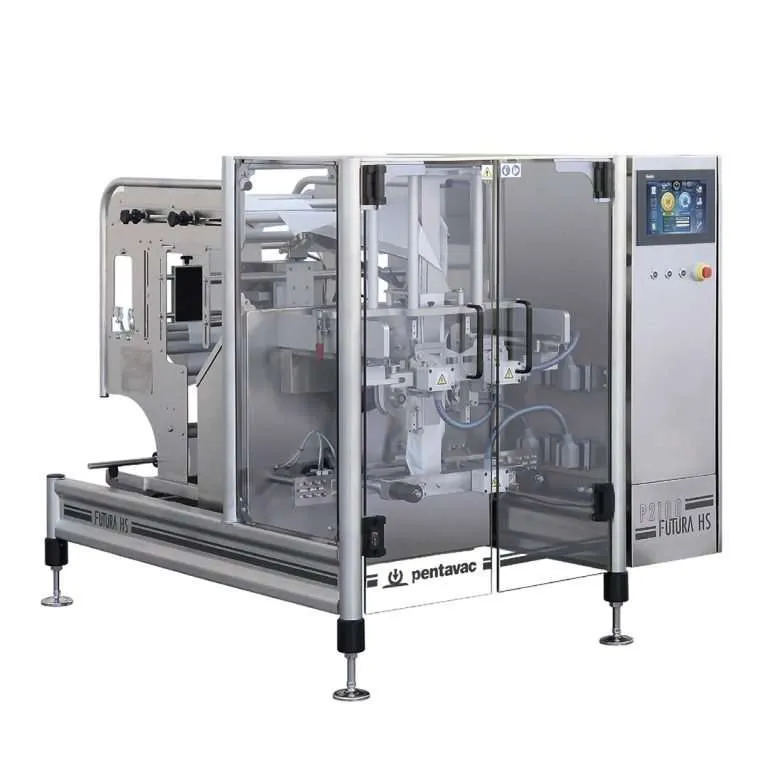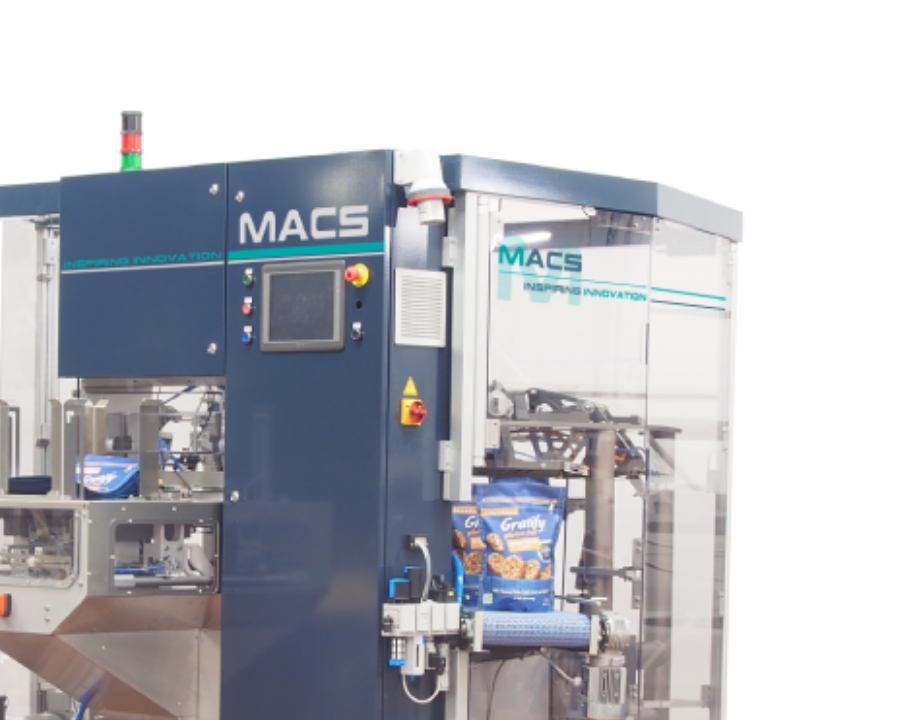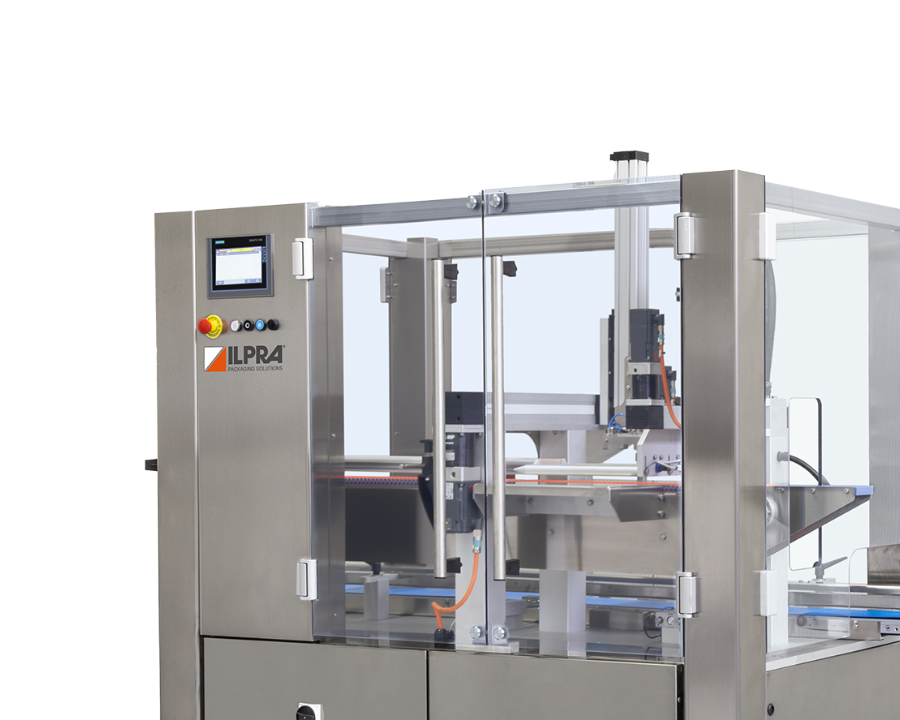
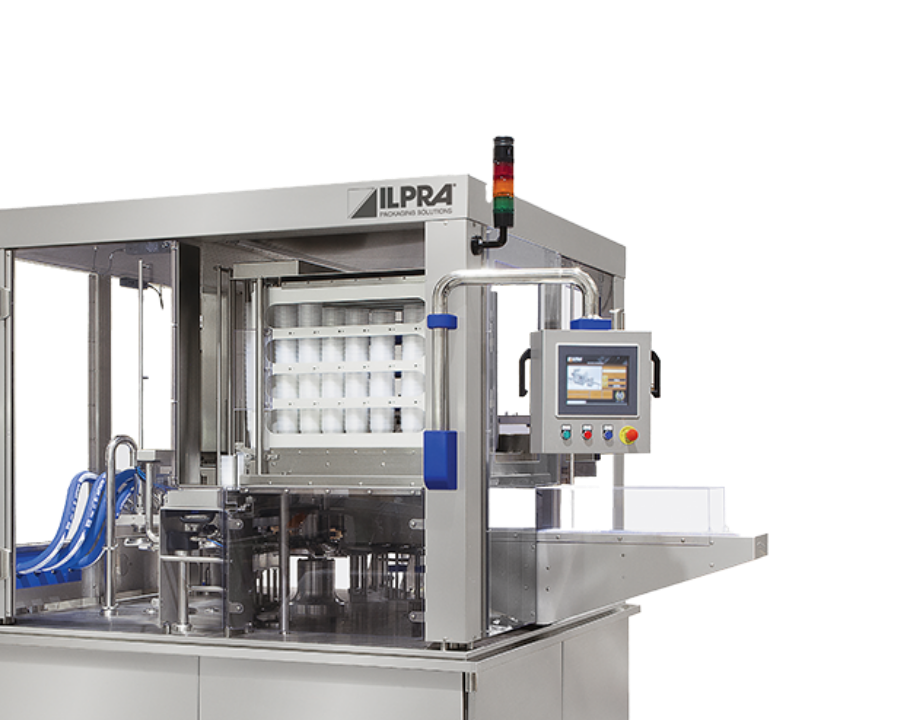
Filling and sealing machines provide an all-in-one solution for packaging, efficiently filling products into containers and securely sealing them for market readiness. These machines are designed for a broad spectrum of industries, offering precise control over filling volumes and seal integrity.
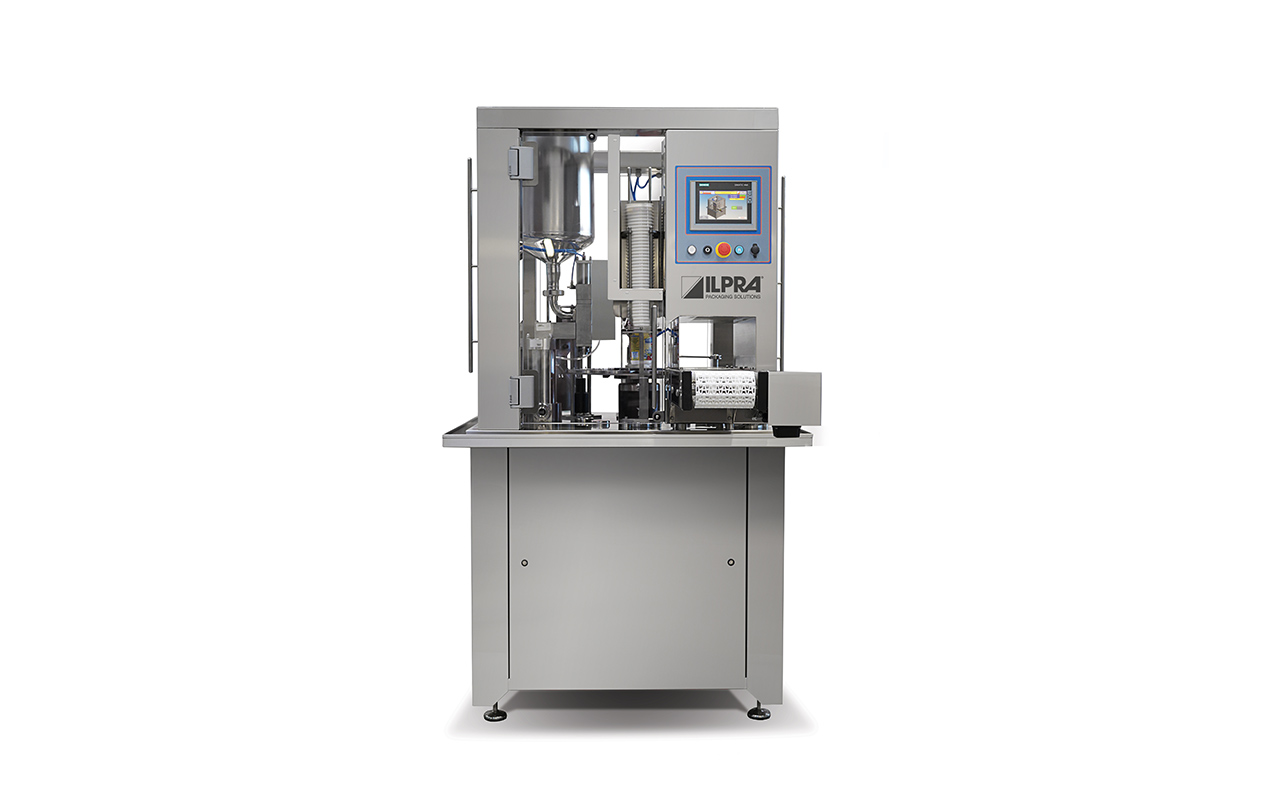
Pot Fill Sealers – Rotary
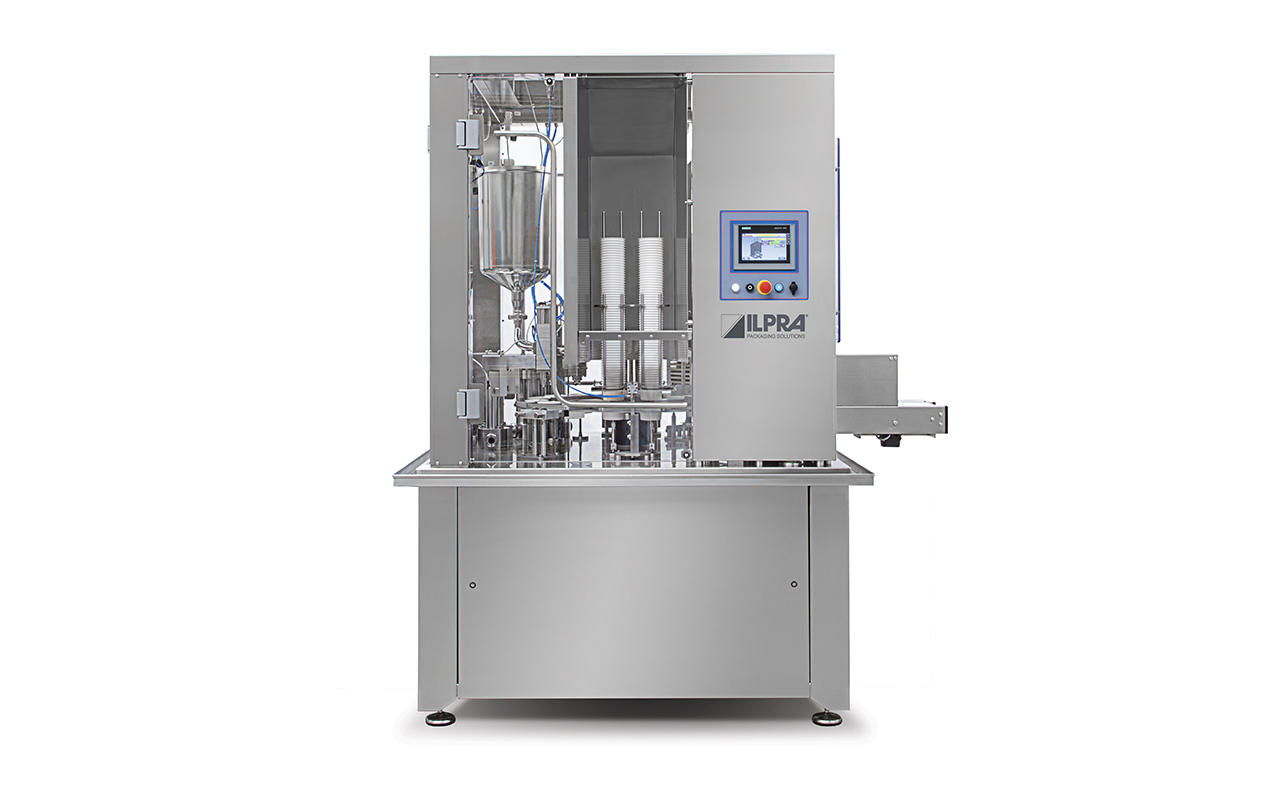
Pot Fill Sealers – Rotary
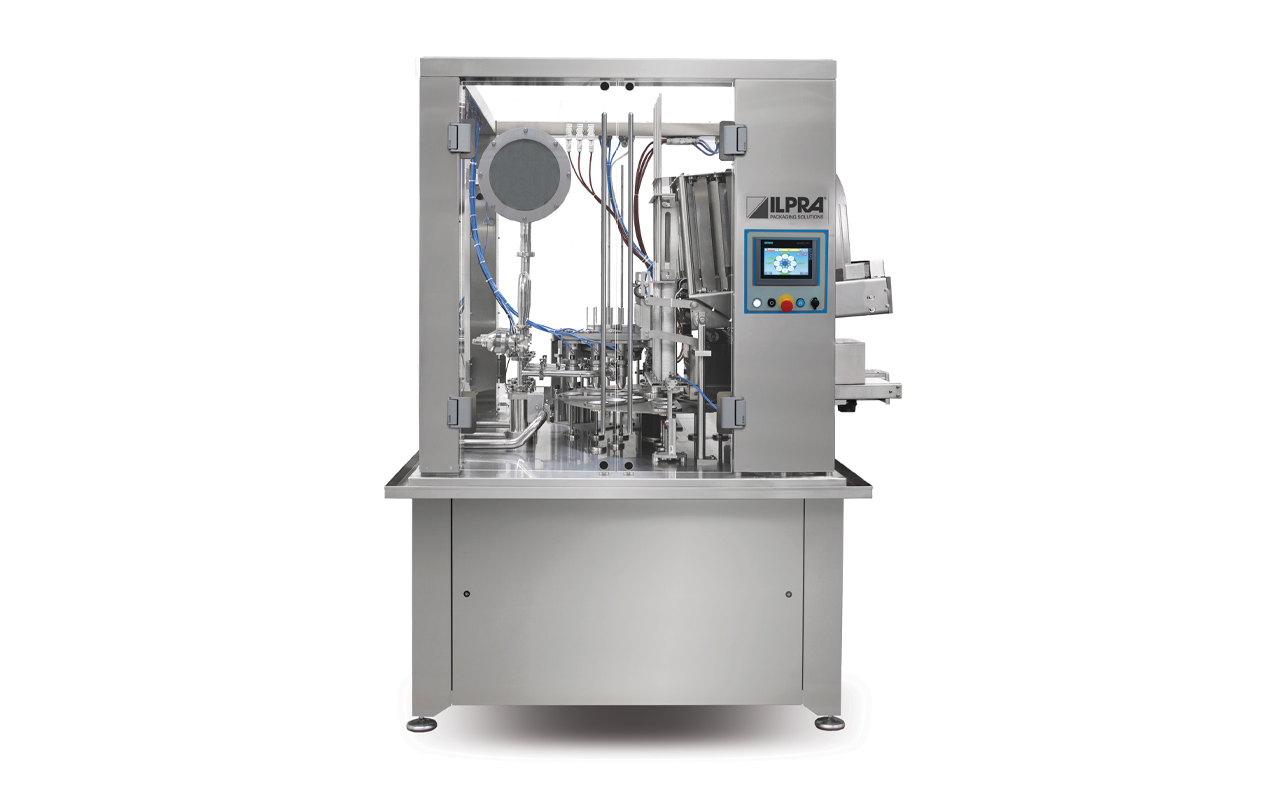
Pot Fill Sealers – Rotary
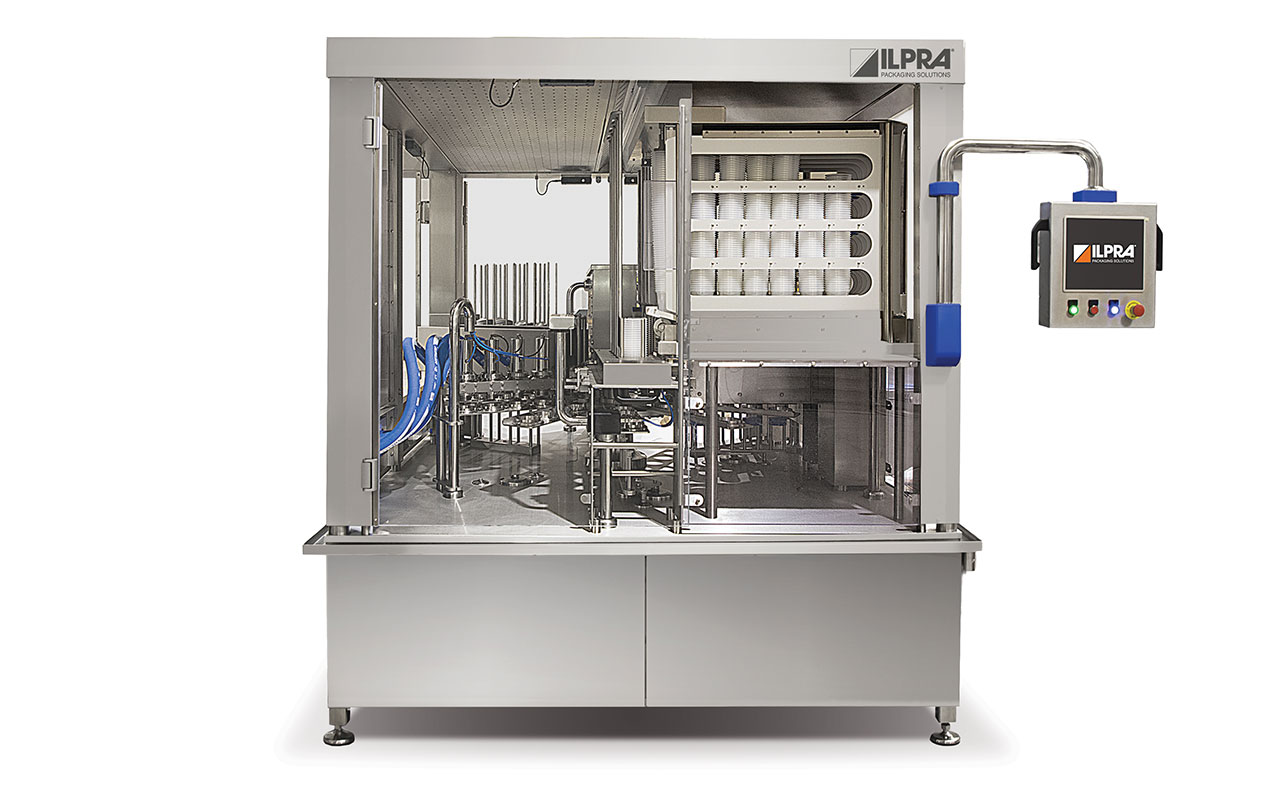
Pot Fill Sealers – Rotary
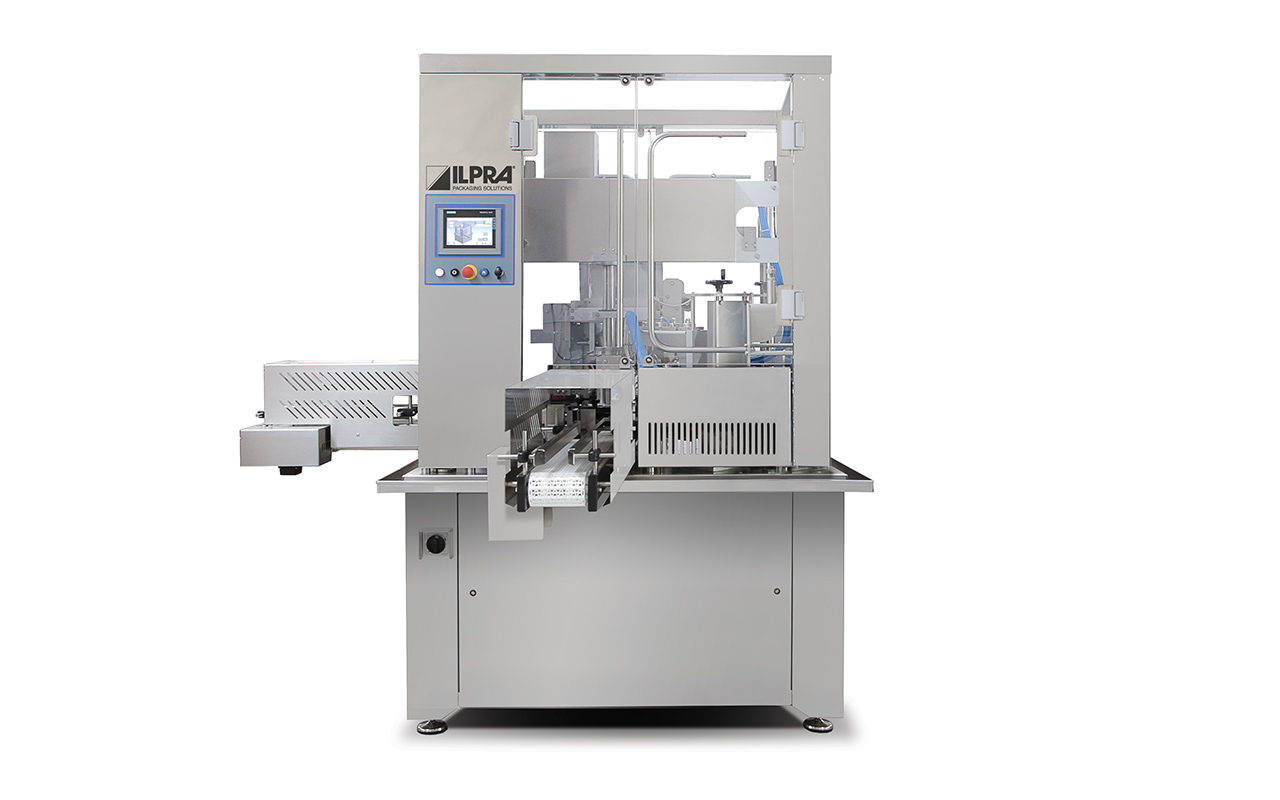
Pot Fill Sealers – Rotary
Fill seal machines are designed to fill pre-formed containers and seal them in a single integrated process. They are used across food, dairy, condiments, cosmetics and pharmaceutical applications where accurate dosing, reliable sealing and consistent pack presentation are the key production requirements.
Our fill seal systems are available in inline and rotary configurations, covering a range of output levels and container formats. The right choice depends on product type, fill volume, container specification, required throughput and the level of automation suited to the operation.
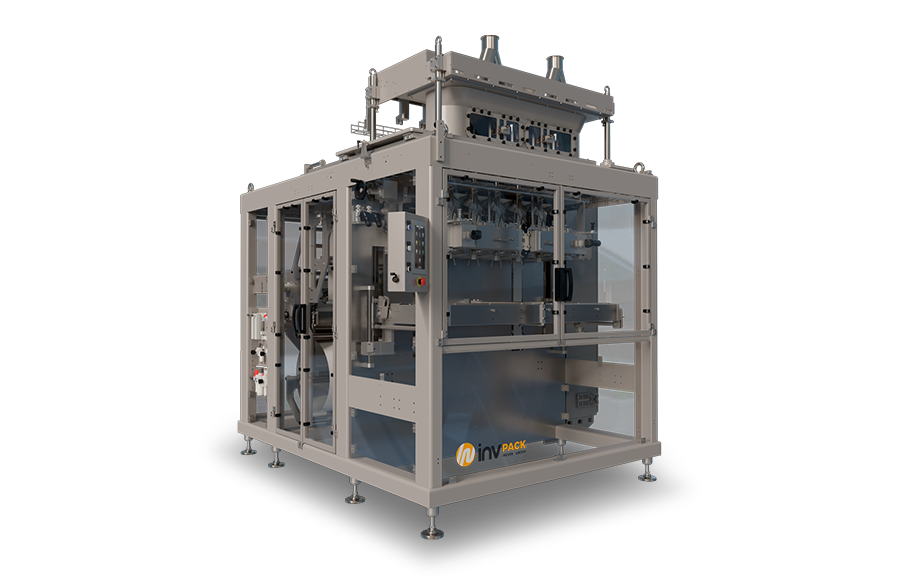
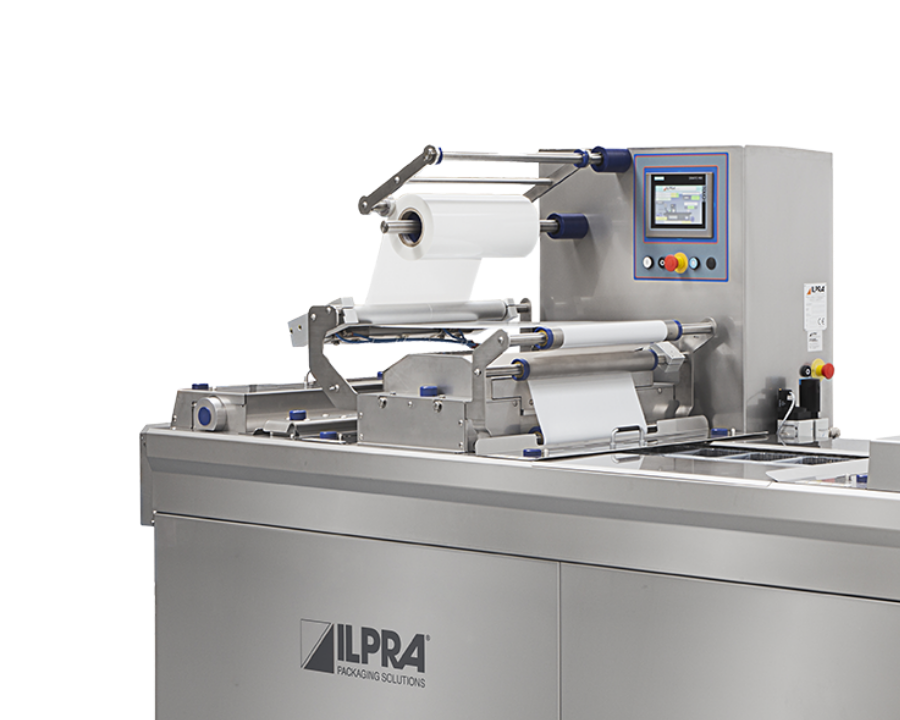
Fill seal systems work by accepting pre-formed containers at the infeed, moving them through a filling stage where product is dispensed to a defined volume or weight, then sealing the container with a lidding film before it exits the machine. Depending on the specification, the process can also incorporate foil sealing, over capping, date coding and downstream transfer.
The filling stage is matched to the product being packed. Liquids, semi-liquids, viscous products, particulates and combinations of product types each require a dosing system that suits their flow characteristics and the required fill accuracy.
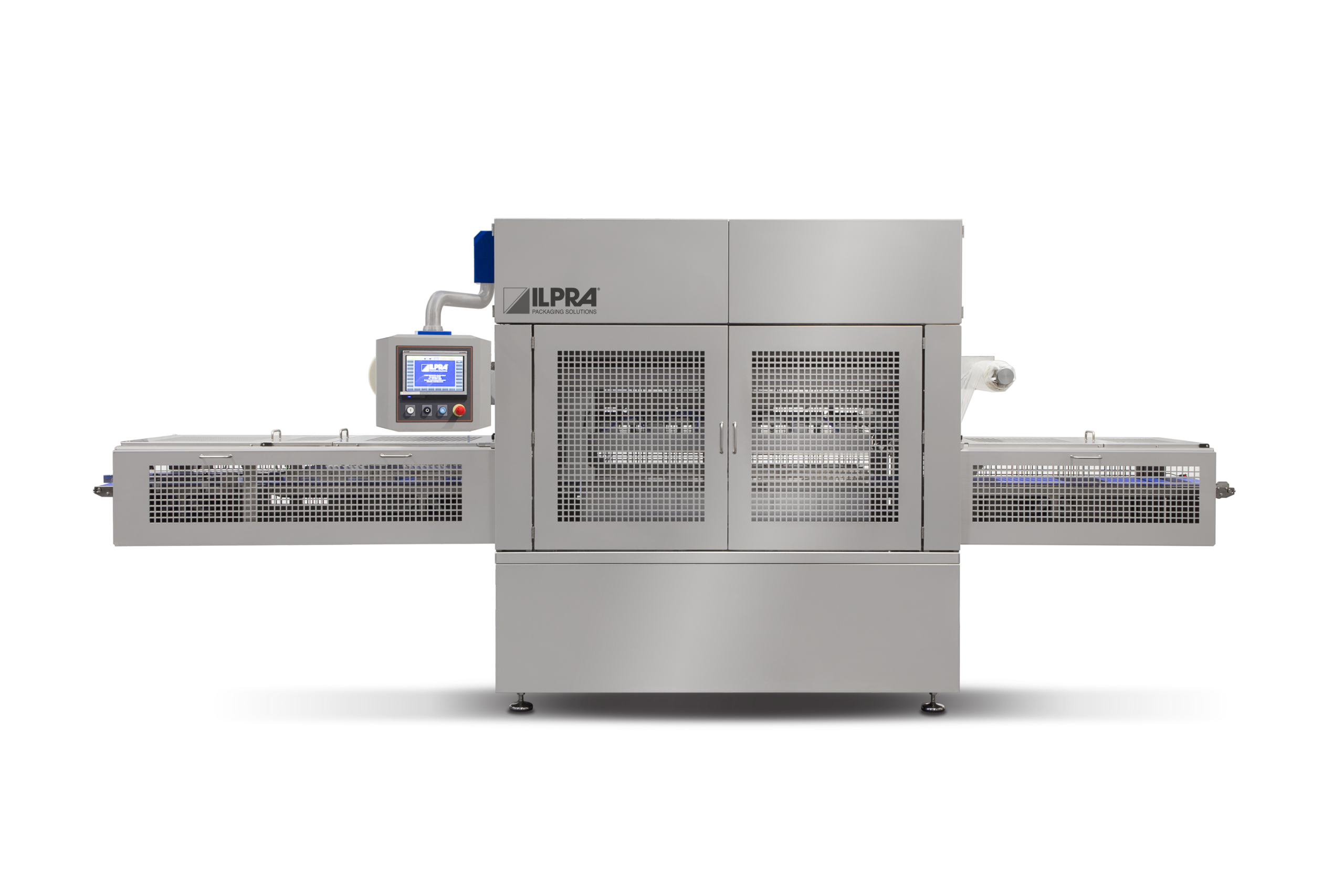
Inline fill seal machines move containers in a straight-line path through the filling and sealing stages. This configuration is well suited to a wide range of container formats and is commonly used in food, dairy and condiment applications. Rotary systems move containers on a circular carousel, which can support higher speeds where the product and container format are compatible. See our guide on rotary vs inline fill seal machines for a full comparison of both configurations.
Fill seal systems are used across a broad range of sectors where accurate filling and secure sealing in pre-formed containers are the production requirement:
Speak to us for guidance on the fill seal configuration that best fits your product, container format and output requirements.
FAQs
FAQs
Fill seal machines can be configured for a wide range of product types including liquids, semi-liquids, viscous products such as sauces and creams, particulates, gels and combinations of liquid and solid components. The filling system is selected to match the product’s flow characteristics and the required dosing accuracy. Speak to us to discuss the right configuration for your product.
Inline systems move containers through the filling and sealing stages in a straight-line path, making them well suited to a broad range of formats and output levels. Rotary systems use a circular carousel, which can offer advantages at higher speeds for compatible container formats. The right choice depends on throughput requirements, container specification and product type.
Fill seal machines work with pre-formed cups, pots, jars and tubs across a range of sizes and materials including plastic, cardboard-based and aluminium formats, depending on the machine specification. Container compatibility should be confirmed with ILPRA UK as part of the specification process.
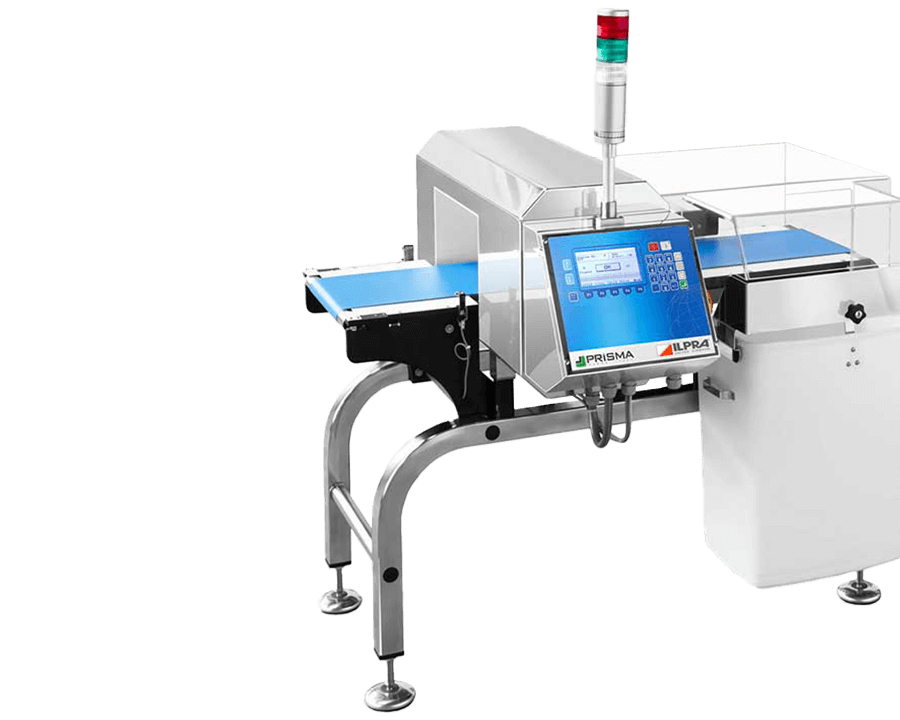
Yes. ILPRA UK fill seal systems can be integrated with upstream and downstream equipment including conveyors, product supply systems, coders, checkweighers and secondary packaging machinery. Integration requirements are reviewed as part of the specification process to ensure the machine fits correctly within the line. See our guide on automation and line integration for fill seal systems for more detail.
Dosing options include volumetric, weight-controlled and multi-head systems, each suited to different product types and fill accuracy requirements. The right dosing system depends on the product’s flow behaviour, the target fill weight or volume and the speed of the line. Our guide on choosing the right dosing system explains the key differences and applications of each approach
Get in touch with our team for tailored advice on which packaging solution is right for your products.