Technology13 April 2026
Tray sealing vs thermoforming: which packaging machine is right?
Selecting the right packaging technology is a strategic decision that directly impacts efficiency, cost control, and product integrity.
Two of the most widely adopted solutions, tray sealing and thermoforming, each offer distinct advantages depending on your production requirements, packaging format, and long-term scalability.
Understanding the core difference
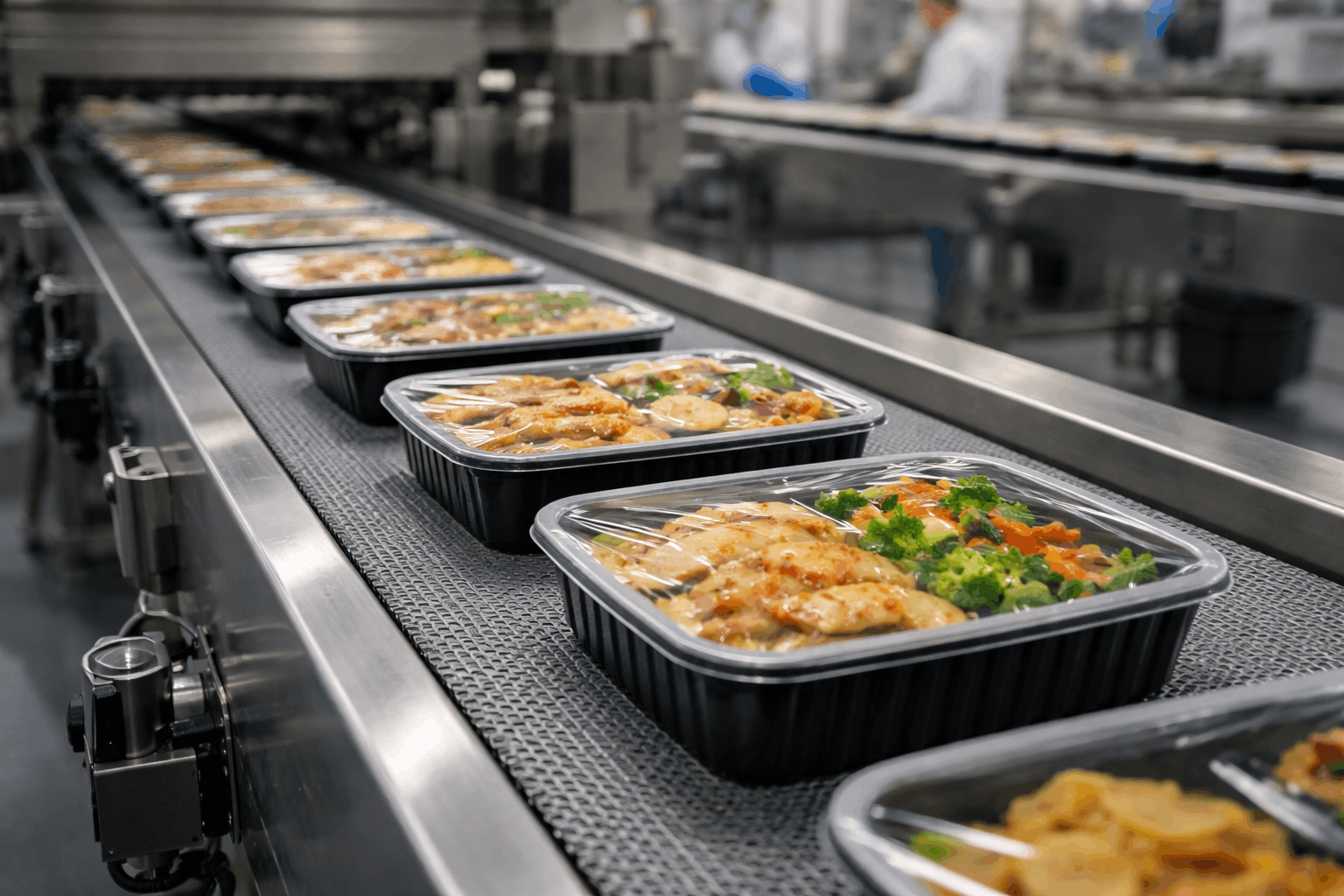
At a fundamental level, tray sealing involves placing a pre-formed tray (often plastic, cardboard, or sustainable alternatives) into a machine, adding the product, and sealing it with a film or lid under controlled conditions. In contrast, thermoforming machines create packaging on demand by heating and shaping film into trays, filling them, and sealing them within a continuous process.
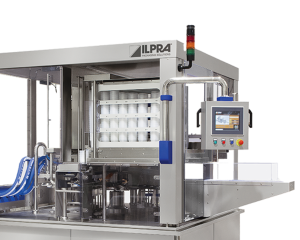
If you’re evaluating tray sealing systems, our range of solutions, such as FoodPack traysealers, provide a highly flexible and scalable approach to production.
Flexibility and lower complexity
Tray sealing machines are particularly well-suited to operations that require:
- High product flexibility: Easily switch between tray sizes and materials without extensive downtime
- Lower capital investment: Typically, less expensive than thermoforming lines
- Simplified maintenance: Fewer moving parts and reduced mechanical complexity
- Packaging diversity: Ideal for ready meals, fresh produce, meat, and bakery items
Tray sealing systems can also integrate with modified atmosphere packaging (MAP) and vacuum sealing technologies, helping extend shelf life and maintain product quality, key considerations for large-scale producers.
However, tray sealing relies on pre-formed trays, which can result in higher material logistics and storage requirements.
Efficiency for high-volume production
Thermoforming machines are designed for continuous, high-speed production environments where output volume and cost per unit are critical. Their advantages include:
- Inline tray formation: Eliminates the need for pre-formed packaging supply chains
- Optimised material usage: Potentially reduces packaging waste and costs per unit
- High automation levels: Ideal for fully integrated, large-scale production lines
- Superior throughput: Designed for continuous, high-volume output
For operations prioritising maximum efficiency and minimal manual intervention, thermoforming may be the preferred solution. However, thermoforming typically requires higher upfront investment and more complex installation, making it less flexible for product variation compared to tray sealing.
Key decision factors
When choosing between tray sealing and thermoforming, decision-makers should consider:
- Production volume: Thermoforming excels at continuous, high-volume runs
- Product variety: Tray sealing offers greater flexibility for SKUs and packaging formats
- Space and infrastructure: Thermoforming lines require more space and setup complexity
- Sustainability goals: Both systems can support recyclable and reduced-plastic materials, but tray sealing often offers easier material switching
- Automation and integration: Both can be integrated into advanced production lines, but thermoforming is typically more deeply automated
For many industrial food producers, tray sealing provides a balance of flexibility, efficiency, and scalability, especially when supported by advanced systems such as our FoodPack traysealers.
Which is right for your operation?
There is no universal answer, only the solution that aligns with your operational priorities. If your focus is on flexibility, product diversity, and adaptable scaling, tray sealing is often the ideal choice. If your priority is maximum output with minimal variation, thermoforming may be more appropriate. Explore our machines online, or get in touch directly with our team for personalised guidance.