Technology1 May 2026
Packaging automation explained: machine controls, sensors and system integration
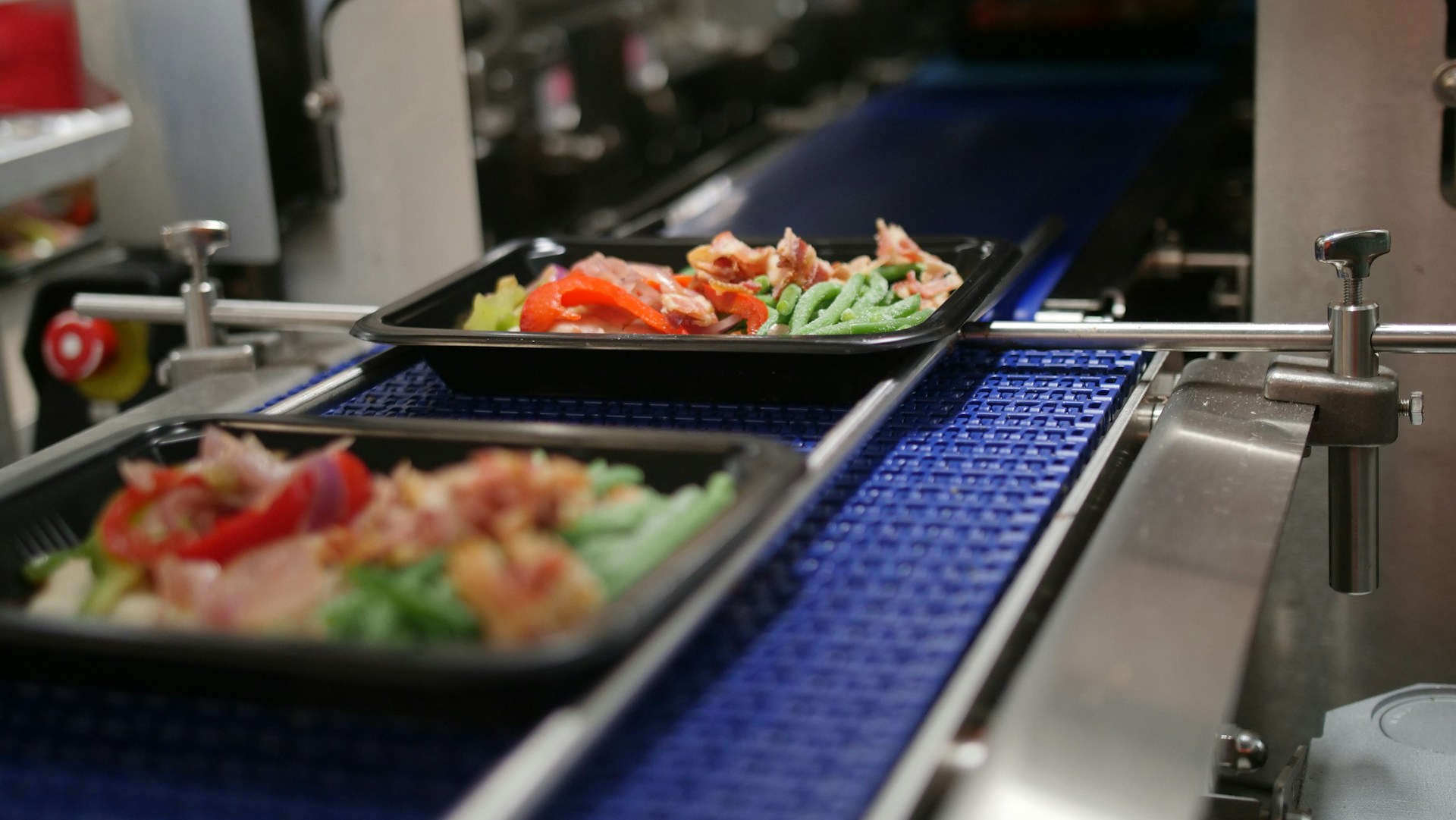
Automated packaging machinery does not operate in isolation. The controls, sensors and integration points built into modern systems are what allow a packaging line to run consistently, flag problems early and support production targets at scale.
For production managers and engineers reviewing packaging equipment, understanding how these systems work together is a useful starting point for evaluating what a machine can actually deliver in practice.
How machine controls work in packaging systems
Most industrial packaging machinery is controlled through a programmable logic controller, commonly referred to as a PLC. The PLC acts as the operational brain of the machine, managing timing, sequencing and the coordination of mechanical, pneumatic and electrical functions across the packaging cycle.
In practical terms, this means the PLC controls when film advances, when sealing jaws close, how long heat is applied, when the product is released and how the pack moves to the next stage. These sequences are defined by parameters stored as recipes within the controller, which can be recalled for different product or pack format runs without manually reconfiguring each component.
Modern packaging systems typically present these controls through a human machine interface, or HMI. This is usually a touchscreen panel that allows operators to select recipes, monitor line status, adjust parameters within permitted ranges and review alarm histories. The HMI makes the machine more accessible to operators without requiring direct interaction with the PLC programming itself.
The role of sensors in packaging line performance
Sensors are distributed throughout a packaging machine to monitor what is happening at each stage of the cycle and to trigger actions or alerts when conditions fall outside the expected range.
Common sensor types and their functions include:
- Presence sensors – detect whether a product, tray or pouch is correctly positioned before the next action is triggered
- Temperature sensors – monitor sealing jaw, film and product temperatures to ensure sealing conditions remain within specification
- Position sensors – confirm that components such as filling heads, sealing tools or film guides are in the correct location before each cycle
- Level sensors – used in filling systems to monitor product supply and trigger refills or line stops where appropriate
- Vision systems – inspect packs for seal integrity, label position, code legibility or fill level where integrated
When a sensor detects a value outside the defined range, the PLC can respond in real time by pausing the line, generating an alarm, diverting a suspect pack or alerting the operator through the HMI. This closed-loop response is what allows automated systems to maintain consistency without continuous manual monitoring.
Line integration and what it means in practice
Packaging automation becomes more powerful when individual machines are connected into a coordinated line. Integration allows upstream and downstream equipment to communicate, so that the speed and status of one machine can influence how others respond.
A typical integrated packaging line might include:
- product supply or depositing equipment feeding into the packaging machine
- the primary packaging machine handling forming, filling and sealing
- in-line checkweighers verifying pack weight and triggering rejection of non-conforming packs
- metal detectors providing product safety inspection before the pack continues downstream
- date and batch coders applying traceability information to each pack
- end-of-line equipment handling case packing, labelling or palletising
When these components share a common control architecture or communicate through standardised protocols, line speed can be balanced, stops can propagate appropriately through the system and data from each stage can be captured for production reporting.
PLC and communication standards
The ability of packaging equipment to integrate with other systems depends partly on the communication standards it supports. Many modern industrial machines use protocols such as OPC-UA, Profinet or Ethernet-based communication, which allow them to exchange data with line management software, ERP systems or factory SCADA platforms.
This connectivity supports a range of operational benefits, from automated batch recording and production reporting to remote monitoring and diagnostics. For manufacturers with quality management or traceability requirements, the ability to capture data at the machine level and feed it into a central system can be a significant operational advantage.
Why this matters when selecting packaging machinery
When evaluating packaging equipment, the control and integration architecture should be considered alongside mechanical capability and output speed. A machine that is well-suited to the product and pack format but cannot communicate with the wider line, or requires complex manual intervention to manage recipe changes, will limit the efficiency gains that automation is intended to deliver.
Ready to automate?
ILPRA UK can advise on the control and integration requirements for specific production environments, from single machine installations to coordinated multi-stage packaging lines.