Technology16 April 2026
Film-made vs premade pouch: which one is right for your production?
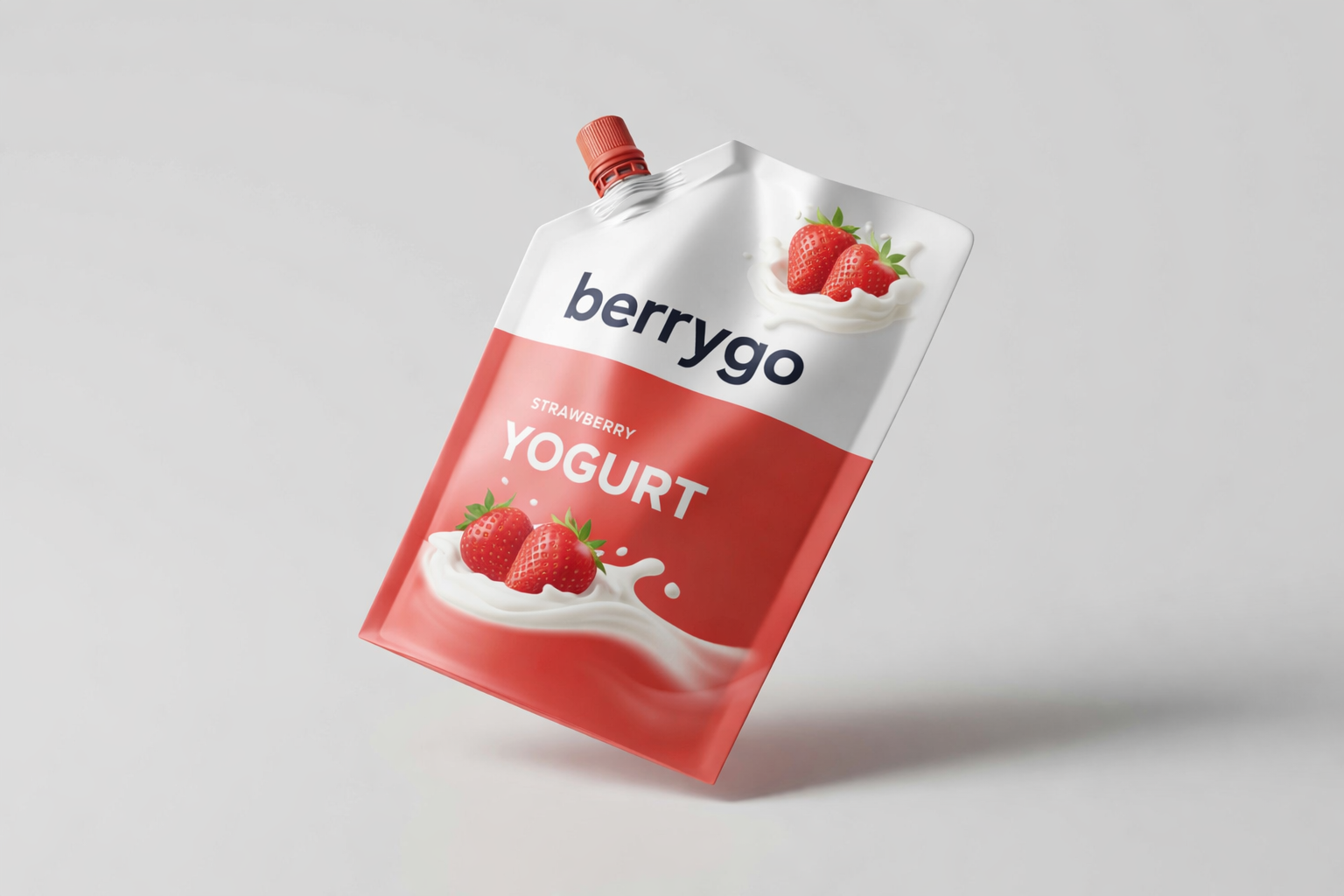
Pouch packaging gives manufacturers a flexible way to improve shelf appeal, adapt formats to different products and support efficient filling and sealing.
When comparing film-made vs premade pouch formats, the difference comes down to how the pouch is created and how that affects speed, flexibility, cost and day-to-day production. A film-made pouch machine line creates the pouches from a roll of film, then filled and sealed as part of the same process. A premade pouch arrives at the line already formed, so the machine opens it, fills it and seals it.
That may sound like a small difference, but it has a direct impact on how the packaging line performs.
How film-made pouches work
Film-made pouches are created on the packaging machine from rollstock film. This means pouch formation, filling and sealing all happen as part of one integrated process.
This type of setup is often better suited to manufacturers looking for a more continuous style of production, particularly where output volumes are high and pouch formats remain consistent. Forming the pouch on the line can also offer more direct control over material use and pack dimensions, which is useful when efficiency matters across longer runs.
The trade-off is that the line relies more heavily on accurate machine setup and stable running conditions. Film handling, forming consistency and sealing performance all need to be managed carefully, especially as speed increases.
How premade pouches work
Premade pouches are supplied to the line already formed. The machine’s role is to open the pouch, fill it and seal it.
This format is often attractive where flexibility and presentation matter more than maximum throughput. Because the pouch is produced in advance, it can be easier to achieve more specialist finishes, premium-looking formats or design features that would be more complex to create on-line.
Premade pouches can also be a practical option where product ranges change more often, runs are shorter or the business wants to introduce new formats without building the full pouch from film on the machine.
The main compromise is that unit packaging costs may be higher, and the format may not always be the best fit for very high-speed, long-run applications.
Advanced pack features more commonly used with premade pouches
One of the biggest advantages of premade pouches is the scope for more advanced pack features. Because the pouch is produced before it reaches the filling line, it is often easier to specify details that improve convenience, shelf impact or pack functionality. Features include:
- zip closures
- shaped pouches
- spouts and lids
- handles
- gusseted designs
- windows
These features can make premade pouches especially useful where the pack needs to do more than contain the product. By comparison, film-made pouches are often better suited to more standardised formats where efficiency, repeatability and higher-volume output are the main priorities.
Film-made vs premade pouch: what matters most in production
The right choice usually comes down to four areas: output, flexibility, pack style and machine integration.
If the goal is high-volume production with a relatively standard pouch format, film-made pouches often make more sense. They are commonly better suited to longer runs, stronger material control and a more integrated production process.
If the priority is flexibility, premium presentation or easier adaptation across different pouch types, premade pouches are often the better option. They can work particularly well when pack appearance matters on shelf or when the line needs to handle more variation.
In other words, film-made pouches tend to favour efficiency and repeatability, while premade pouches tend to favour format flexibility and presentation. If you’re exploring premade pouch systems further, view our doypack machines here.
Need help choosing the right pouch format?
If you are weighing up film-made and premade pouches, it helps to review the machinery and material setup together from the start. Speak to our expert team about the pouch format that best fits your product, production targets and packaging requirements.