Technology20 July 2026
Key considerations when upgrading packaging equipment
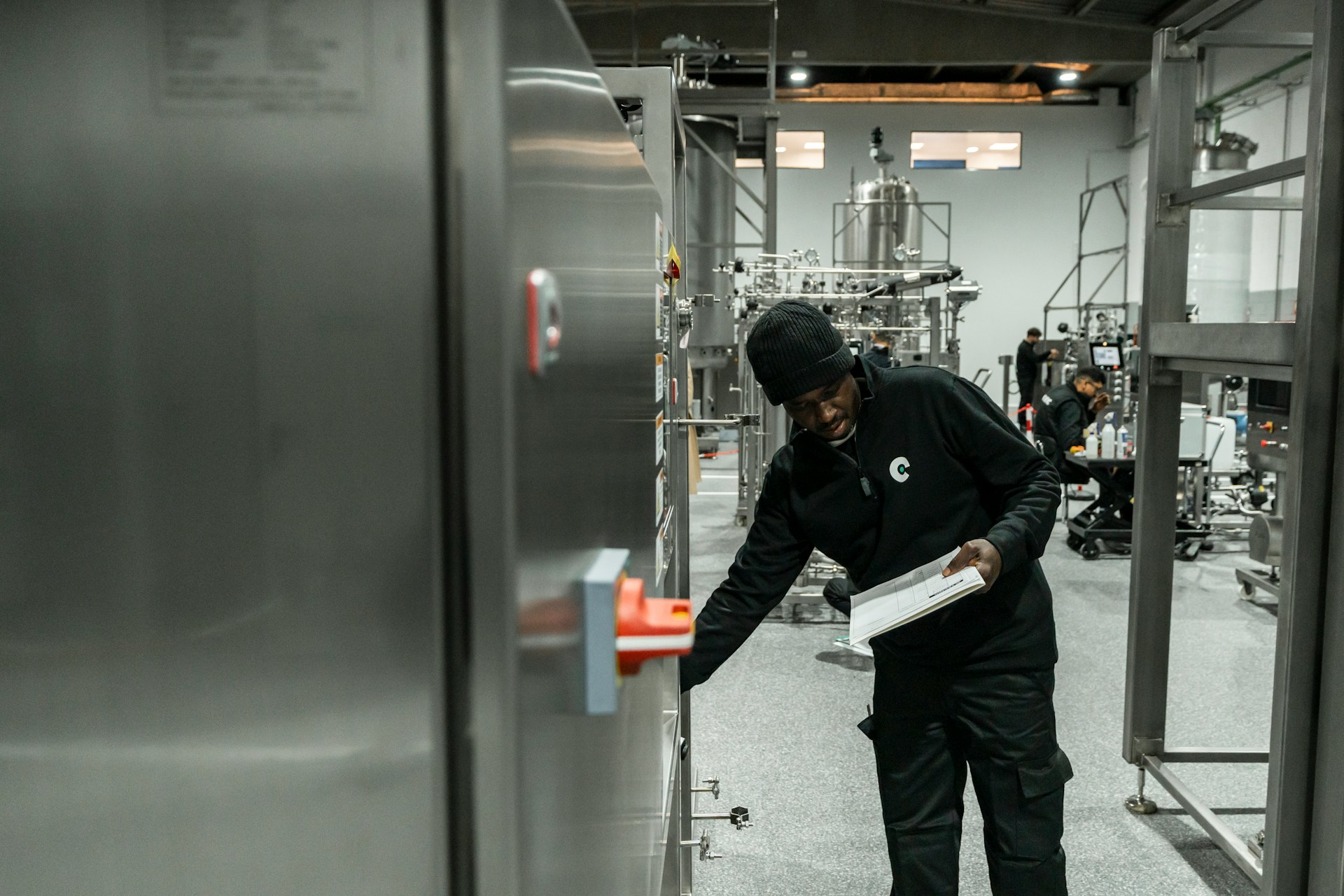
Upgrading packaging equipment is rarely a like-for-like swap. A new machine must fit the product, pack format, line pace and daily operation.
For production managers and engineers planning a packaging upgrade, the decision carries more weight than the purchase price alone. Getting the specification right protects product quality, line efficiency and the return on the investment. Getting it wrong risks trading one bottleneck for another.
Start with the problem you're solving
Before reviewing machine options, it is worth establishing exactly why the current equipment is being replaced. Upgrades are usually driven by one or more of a small number of factors: the existing machine has reached its output ceiling, changeover times are eating into productive hours, product or pack formats have changed, reliability has declined to the point where downtime is a recurring issue, or the line needs to support a level of automation the current machine cannot provide.
Being specific about the driver shapes the specification that follows. A line that is capacity-constrained needs a genuine throughput increase under real operating conditions, not just a faster nominal cycle time. A line troubled by frequent stoppages needs a more reliable, better-supported machine as much as a faster one. Upgrading without pinning down the actual constraint is one of the most common reasons a new machine fails to deliver the expected improvement.
Compatibility with current and future product formats
A replacement machine needs to handle the full range of products and pack formats currently run on the line, not just the primary product. Manufacturers with a varied product mix should map out container sizes, materials, fill types and any seasonal or promotional formats before shortlisting equipment. A machine that performs well on the core product but struggles with secondary formats can create new operational friction elsewhere on the line.
It is also worth considering where the product range is heading over the next few years. Specifying purely for today’s formats can mean a second upgrade sooner than planned, while over-specifying for formats that may never materialise adds unnecessary cost and complexity. The right specification sits between the two, built around a realistic view of where the business is going.
Integration with the rest of the production line
Packaging machinery does not operate in isolation, and a machine that performs well on its own can still create problems if it does not integrate cleanly with the equipment around it. Before specifying a replacement, review how the new machine will connect with upstream processing or filling equipment, downstream inspection, labelling and case packing, and any shared control systems, data capture or line monitoring software already in place.
Mismatched integration is a common cause of new-machine disappointment. A faster packaging stage that cannot communicate its status to neighbouring equipment can still create backlogs, jams or unplanned stops, regardless of its rated speed. Reviewing integration requirements as part of the specification process, rather than after installation, avoids costly rework later.
Choosing the right level of automation
More automation is not automatically the right answer. The appropriate level depends on output requirements, product variability, labour availability and how frequently the line changes between formats. A highly automated system suits high-volume, low-variation production where consistent speed and minimal manual intervention are the priority. A line running shorter, more varied batches may be better served by a semi-automatic system that keeps changeover flexible and avoids paying for automation that will rarely be used at full capacity.
It is worth reviewing automation choices against realistic production patterns rather than the theoretical maximum output of the machine, so the investment matches how the line actually operates rather than how it might operate under ideal conditions.
Planning for installation, training and downtime
Even a well-specified machine can cause disruption if the transition is not planned properly. Installation timelines, the sequence in which equipment is disconnected and commissioned, and the operational impact of downtime during the changeover should all be mapped out in advance, particularly for manufacturers who cannot afford an extended production gap.
Operator training matters just as much as the mechanical installation. A new machine, even one that automates tasks previously done manually, requires operators to understand its controls, recipe management and troubleshooting procedures. Underinvesting in training is a common reason a new machine takes longer than expected to reach its rated performance.
Speak to us about your packaging upgrade
If you are reviewing packaging machinery for a line upgrade, we can help you work through the specification, integration and automation questions that matter for your product and output targets.