Technology3 July 2026
Better packaging begins where you don’t look
The material decides how a pack performs long before it reaches the line.
A pack can look right and still underperform. Seals can fail intermittently, shelf life can fall short, or a material that seemed suitable on paper can behave differently once it is running at speed. When packaging underperforms, the cause is often hidden beneath the surface, in the material rather than the machine.
What's really holding your packaging back?
Every material is a combination of layers, additives and coatings chosen for a specific job. When one of those choices doesn’t quite fit the application, the effects show up in ways including:
- Poor sealing performance
- Shorter shelf life than expected
- New sustainability or recyclability requirements to meet
- Material compatibility issues with the product or the line
- Missing features, such as resealability or barrier properties
Sustainability is now a material specification, not an afterthought
Under the EU’s Packaging and Packaging Waste Regulation (PPWR), packaging placed on the EU market will need to be recyclable in an economically viable way by 2030, with further requirements on recycled content and design phased in over the following years. For manufacturers exporting into the EU, that timeline is already worth planning around.
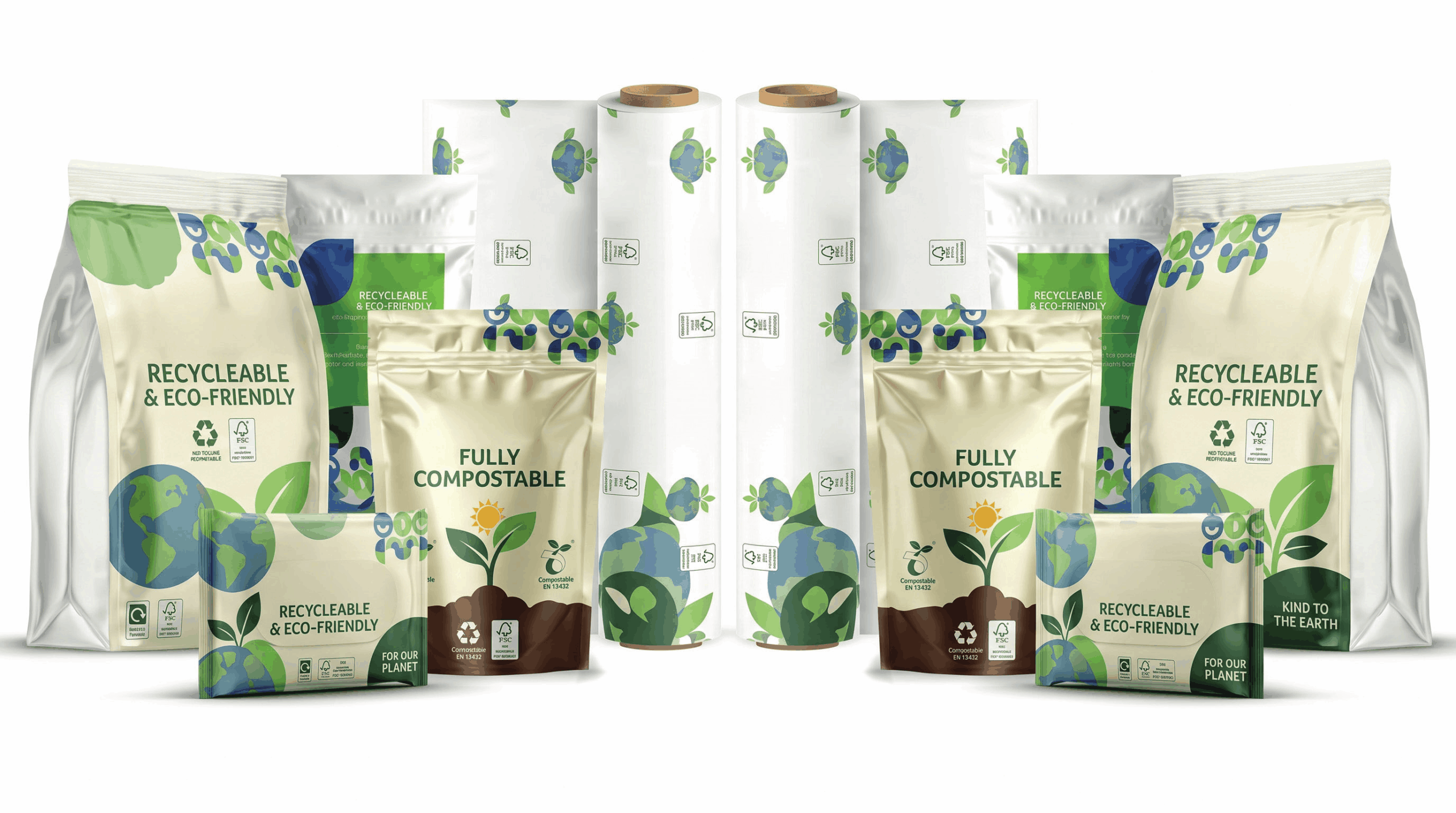
Mono-material structures are one of the clearest ways to respond. By reducing the number of different materials combined in a single laminate, they simplify recycling and can help a pack meet stricter design-for-recycling requirements, without simply being swapped in as a like-for-like replacement.
From sample to solution: how the development process works
Every material development project starts with what a manufacturer already has. Sending a current packaging sample, along with a description of the challenges being experienced, gives the starting point for investigation.
From there, a laboratory analysis evaluates the material’s properties, performance and suitability for its intended application, so the root cause of an issue, rather than just its symptoms, can be identified. This typically covers chemical structure, performance under real application conditions and weak points in the current material. This fits within the same end-to-end approach we take across every project.
"The goal isn't just to fix a problem. It's to build a material that performs better across the whole line."
A smarter structure, not just a straight swap
The result of this process is rarely a simple like-for-like replacement. It’s usually a step forward: a structure that seals more reliably, integrates more efficiently into the existing process, and supports recyclability or other sustainability goals at the same time, rather than trading one priority off against another.
Built around your product, your machine and your performance targets
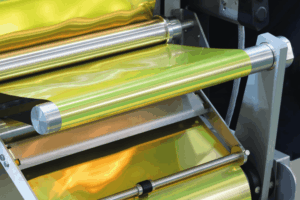
Using the insights from the lab, laminated structures can be designed around the specific application, taking into account the product, the packaging machine it will run on, and the performance the pack needs to deliver. The aim is a material that fits the whole system, not just the immediate problem.
Ready to see what your materials could do better?
If sealing performance, shelf life, sustainability requirements or material compatibility are creating friction on your line, it's worth reviewing the material itself before changing anything else. Send across a sample and a description of the challenges you're seeing, and our specialists will assess where performance can be improved and how a tailored material structure could help.