Technology20 May 2026
Automation and line integration for fill seal systems
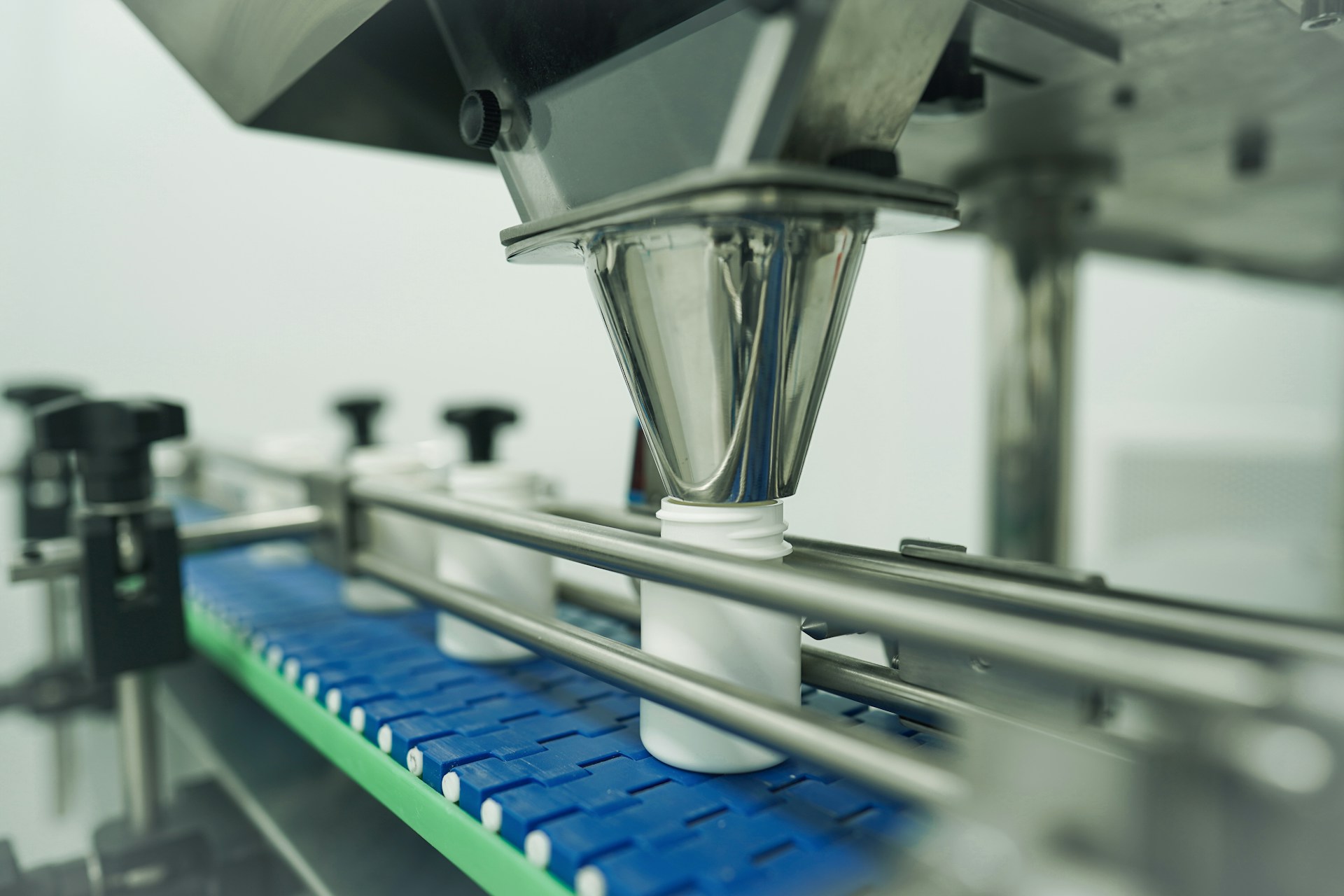
Automated fill seal systems do more than fill and seal, their controls and integration points let manufacturers run the whole process centrally and connect it to the wider packaging line.
PLC control and recipe management
Modern fill seal machines are controlled by a programmable logic controller, or PLC, which manages the timing, sequencing and coordination of all mechanical and electronic functions across the fill and seal cycle. This includes controlling the dosing system, managing container indexing, triggering the sealing stage and monitoring machine status throughout the process.
Recipe storage allows operators to save the full set of machine parameters for each product or container format and recall them at the start of a run. Rather than manually adjusting fill volumes, sealing temperatures and dwell times between products, operators select the relevant recipe from the HMI touchscreen, and the machine configures itself accordingly.
This reduces setup time between runs, limits the opportunity for operator error during changeover, and makes it easier to maintain consistent output quality when the same product is run across multiple shifts or production days. Recipes can also be protected by user access controls to prevent unauthorised parameter changes.
HMI and operator interface
The human machine interface, or HMI, is the touchscreen panel through which operators interact with the machine. It displays current machine status, active recipe parameters, production counts and alarm information.
A well-designed HMI makes the fill seal machine more accessible to operators without requiring them to have detailed knowledge of the underlying PLC logic. It should allow operators to monitor fill performance, respond to alarms quickly and make permitted parameter adjustments where necessary, while flagging any conditions that fall outside the defined operating range.
For production managers, the HMI often provides access to production data including packs per hour, stop event logs and alarm histories, which can be used to identify recurring issues and support continuous improvement work.
Pick and place and container handling
For higher-automation fill seal lines, pick and place systems can handle container loading and pack discharge without manual operator input. Container denesting, orientation checking and infeed to the machine can be automated, as can discharge of finished packs onto downstream conveyors.
Automated container handling reduces the labour requirement at the fill seal stage and removes a source of variability in container presentation to the machine. It also supports higher sustained throughput by ensuring consistent container feed without the pace limitations associated with manual loading.
The level of automation applied to container handling should be matched to the output requirement and the operational context of the line. For lower-volume or more varied production, manual or semi-automated loading may remain the more practical option, with full automation reserved for higher-speed, more consistent applications.
Integration with upstream and downstream systems
Fill seal machines sit within a production line rather than operating in isolation, and how well they communicate with upstream and downstream equipment affects the overall efficiency of the line.
Upstream integration typically involves the product supply system, whether that is a buffer hopper, pump feed or upstream processing equipment, communicating with the fill seal machine to maintain consistent product availability at the filling stage. If the product supply drops below the minimum level or the upstream equipment stops, the fill seal machine needs to respond in a controlled way rather than continuing to run empty cycles.
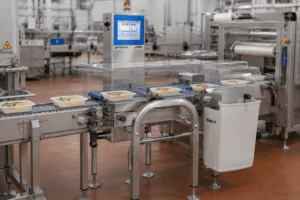
Downstream, the fill seal machine needs to coordinate with checkweighers, coders, labellers, case packers and any other equipment that handles the finished packs. When these systems share a common control architecture or communicate through standard industrial protocols, the line can manage speed variations and stop events in a coordinated way, reducing the manual intervention needed to maintain flow.
For manufacturers building a new fill seal line or integrating a new machine into an existing line, the integration requirements should be reviewed as part of the specification process. ILPRA UK works with manufacturers to ensure that fill seal machinery is correctly integrated within the wider line from the point of installation.
Data capture and production monitoring
Automated fill seal systems can generate operational data across the fill and seal cycle, including fill weights, seal quality indicators, cycle times and stop event records. When this data is captured and made available to production management systems or line monitoring software, it supports more informed decisions about line performance.
For manufacturers with OEE programmes or quality management systems, having reliable data from the fill seal stage can help identify recurring causes of downtime, track fill accuracy trends over time and provide the audit trail needed for quality or compliance purposes.
The level of data connectivity available depends on the machine specification and the communication protocols supported. We can advise on data integration options as part of the system specification discussion.
Speak to us about fill seal automation for your line
If you are reviewing fill seal machinery for a new line or looking to upgrade an existing system, our team can advise on the right configuration, automation level and integration approach for your product, output targets and operational environment.