Technology2 April 2026
Batch manufacturing vs continuous in food production
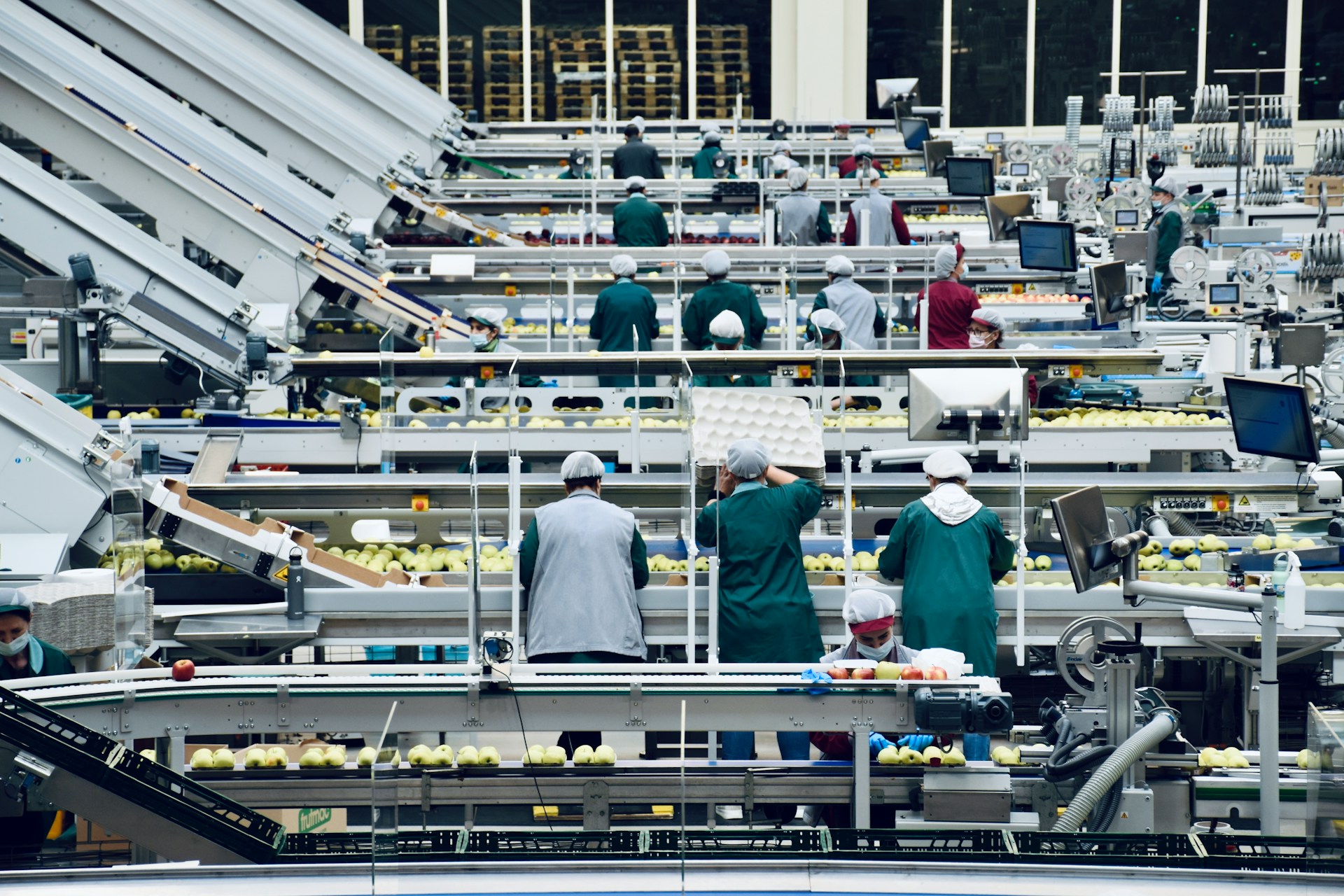
When food manufacturers look at scaling production, the question is rarely limited to the process itself. The real decision effects throughput, consistency, labour, downtime, traceability and how well the packaging line can keep up.
That is why the batch manufacturing vs continuous manufacturing debate matters. Each approach offers distinct advantages, but the right fit depends on your product range, production targets, changeover frequency and packaging requirements. For many manufacturers, the answer lies in choosing the model that delivers the best overall line performance in practice.
What is batch manufacturing?
Batch manufacturing produces a set quantity of product in one controlled run. Once that run is complete, the line is stopped for checks, cleaning, changeovers or the next recipe.
This method is common in food manufacturing where flexibility matters. It is often well suited to operations producing multiple SKUs, seasonal products, retailer-specific formats or recipes that need clear separation.
Batch production is typically a good fit for:
- shorter or mixed production runs
- recipes with allergen controls
- products with frequent format changes
- manufacturers balancing flexibility with moderate output
What is continuous manufacturing?
Continuous manufacturing produces food in a constant flow with fewer planned stops between runs. Materials move through the process continuously, which can support higher throughput and more stable operating conditions.
This approach is usually better suited to high-volume production where product specifications remain consistent and the site wants to reduce interruptions, manual handling and labour per unit.
Continuous production is often a stronger fit for:
- long runs of standardised products
- stable, repeatable demand
- highly automated lines
- manufacturers focused on cost efficiency at scale
The key difference is control versus flow
Batch manufacturing is built around defined runs. Continuous manufacturing is built around uninterrupted movement.
That difference affects every part of the operation, including:
- how often the line stops
- how much labour is needed
- how waste is created or reduced
- how consistent the finished product is
- how packaging equipment performs under load
- how easily the site can scale output
For food manufacturers, this decision should be judged across the full production line, not only at the processing stage.
The key metrics food manufacturers should compare
Throughput
Batch lines can run quickly, but repeated stoppages often reduce real output across a full shift. Continuous lines usually offer stronger sustained throughput because they spend less time stopping and restarting.
The more useful metric is saleable packs per hour, not peak machine speed.
Changeover time
Batch production often loses time through product changes, cleaning, allergen controls, tooling swaps and film changes. If these happen frequently, overall efficiency can drop sharply.
Continuous production becomes more attractive when longer runs reduce the impact of changeovers.
Product consistency
Continuous systems can support more stable process conditions over time, which often helps with fill accuracy, sealing performance and pack presentation.
Batch systems can still deliver strong consistency, but they rely more heavily on tight control at the start and end of each run.
Waste and giveaway
Batch environments may produce more waste during start-up, line restarts and transitions between products. Continuous operations can reduce these losses where the line is properly balanced and maintained.
Labour efficiency
Batch production often requires more operator input, especially where lines are adjusted regularly. Continuous manufacturing usually rewards automation, reducing labour per unit while increasing the need for reliable maintenance and technical support.
OEE and uptime
Overall equipment effectiveness is one of the clearest ways to compare the two models. Batch lines often lose availability through planned stops. Continuous lines can improve uptime, but only if the machinery, materials and downstream handling are capable of sustained running.
Why packaging has a major impact on the decision
In food manufacturing, production is only as efficient as the packaging stage allows it to be. The packaging system needs to match the pace, format and stability of the wider line
A site may increase output upstream, but if filling, sealing, inspection or end-of-line handling cannot keep pace, the packaging line becomes the bottleneck. That is why batch manufacturing vs continuous manufacturing should always be reviewed alongside packaging performance.
The packaging system needs to match the pace, format and stability of the wider line. That means looking at machinery, materials and integration together rather than treating packaging as a separate final step.
Packaging considerations in batch production
Batch environments usually demand more flexibility from packaging equipment. Manufacturers may need to handle different tray sizes, varying fill weights, shorter runs or frequent film and tooling changes.
In this setting, the priorities often include:
- quick changeovers
- easy operator adjustments
- format flexibility
- reliable sealing across varied products
- efficient setup between runs
Where product mix is broad, flexible packaging equipment, like our tray sealers, can make a significant difference to how efficiently the line performs from one batch to the next.
Packaging considerations in continuous production
Continuous production places more pressure on the packaging line to maintain stable performance over longer periods. The focus shifts towards repeatability, speed and low interruption rates.
Manufacturers often prioritise:
- sustained sealing consistency
- dependable material feed
- lower stoppage frequency
- accurate inspection and weight control
- smooth integration with upstream production
For higher-volume lines, packaging performance becomes central to maintaining output. Even small interruptions can have a visible effect on capacity over the course of a shift.
When batch manufacturing is the better fit
Batch manufacturing often makes more sense when flexibility has a higher value than maximum throughput.
This is often the case when:
- the site runs a broad SKU mix
- recipe or allergen separation is important
- demand changes frequently
- packaging formats vary between customers
- new products are still being trialled or refined
For many food manufacturers, batch production offers the control needed to manage complexity without committing to a heavily optimised continuous line.
When continuous manufacturing is the better fit
Continuous manufacturing tends to be the stronger option when output is high and product variation is limited.
This is often the case when:
- demand is stable and sustained
- the product specification rarely changes
- the business wants to reduce unit cost
- packaging automation is a priority
- the current bottleneck is line speed or repeated downtime
Where long runs and repeatability matter most, continuous manufacturing can deliver a more efficient operating model.
Many food manufacturers use a hybrid approach
In reality, many sites sit somewhere between the two. A manufacturer may use batch processing for recipe control, then feed product into a more automated packaging stage. Others may run continuous production upstream while packing in planned windows based on orders, pack formats or product changes.
In many cases, we see that a hybrid setup offers the best balance, particularly where every production line has slightly different requirements and a solution needs to be tailored, which we can help you to develop.
Need support choosing the right packaging setup?
If you are reviewing batch production, continuous production or a hybrid model, the packaging stage should be part of the decision from the start. Speak to us about machinery and packaging materials that match your product, output targets and operational requirements.