
Technology20 July 2026
Reject system options for metal detection and checkweighing
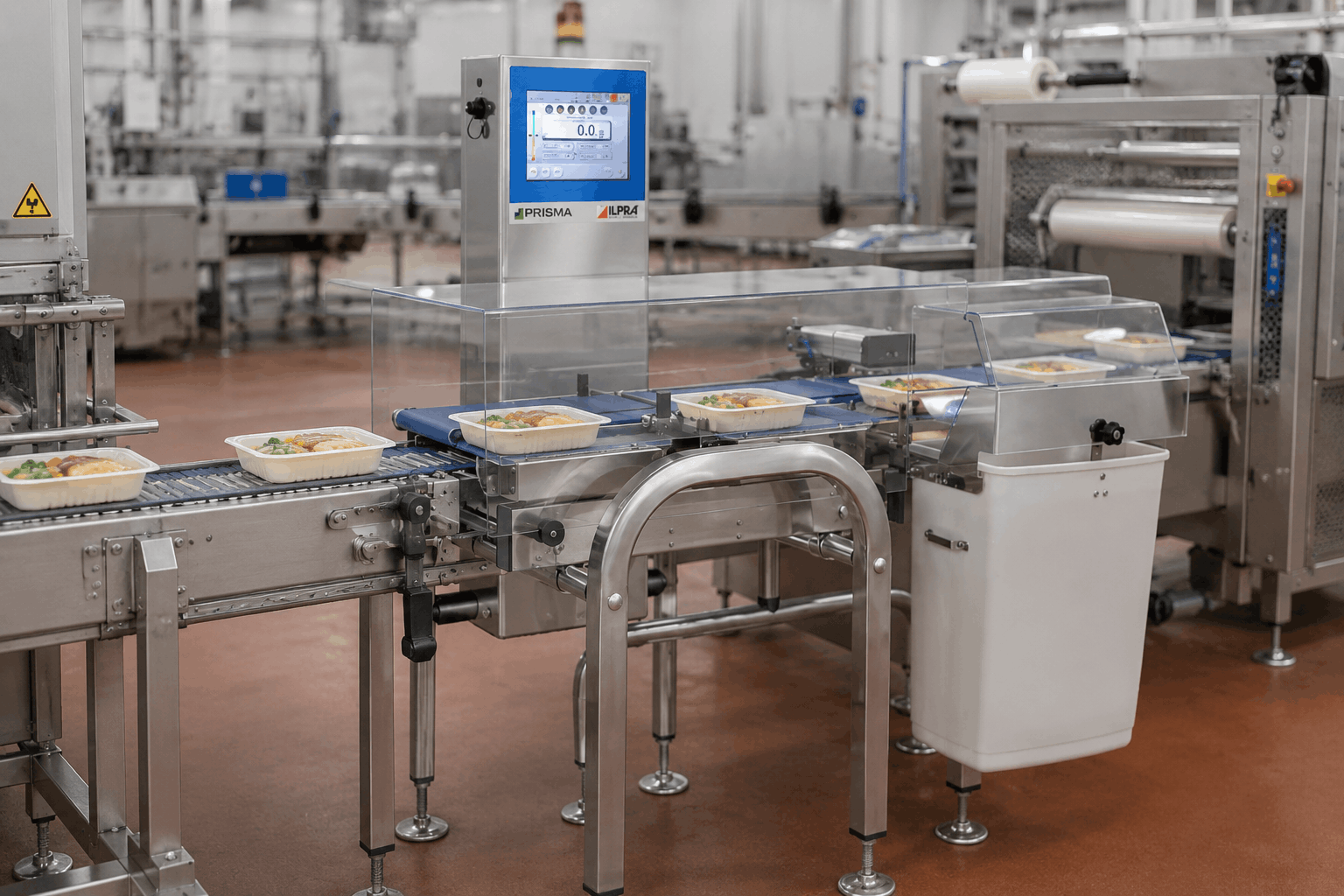
Detection flags the issue; the reject system removes it. The right choice depends on product, pack format and line speed.
Getting this stage wrong can undo the value of an otherwise well-specified inspection system, either by failing to remove rejects reliably or by disrupting conforming product in the process.
Why the reject method matters as much as the detection
Manufacturers often focus their attention on detection sensitivity and overlook the fact that the reject mechanism carries equal weight in the overall performance of the system. A highly sensitive metal detector or checkweigher still needs a reject system that can remove the identified pack cleanly, at line speed, without disturbing surrounding product or creating a pinch point that slows the line down.
The right reject system depends on pack weight, product fragility, line speed and the space available around the inspection point. Reviewing these factors early avoids specifying a reject mechanism that cannot keep pace with the rest of the system.
Pusher and arm reject systems
Pusher, or arm, reject systems use a pneumatic or electric arm to sweep a non-conforming pack sideways off the conveyor. This is one of the most widely used reject methods on inline conveyor systems and tends to suit heavier or more rigid packs, such as wrapped or boxed products, where a firm, controlled push removes the pack without damaging it.
Pusher systems are generally robust and straightforward to maintain, and they work across a broad range of pack sizes, making them a common default choice where the product does not have specific fragility or format constraints.
Air blast reject systems
Air blast systems use a short, targeted burst of compressed air to remove lightweight packs from the line. Because there is no physical contact with the pack, this method suits lighter, flexible packaging such as bagged or film-wrapped products, where a mechanical pusher could crush or distort the pack.
The trade-off is that air blast systems are generally limited to lighter pack weights and can be less precise at very high line speeds if not correctly configured, so the reject timing and air pressure need to be matched carefully to the product and conveyor speed.
Drop and retracting belt reject systems
Drop, or carriage retract, systems remove a section of the conveyor belt beneath a non-conforming pack, allowing it to fall away from the line. This method suits loose or unpackaged product, delicate items, or products that would be damaged by a sideways push or an air blast.
Because the reject action works with gravity rather than lateral force, drop systems tend to handle irregular or unstable products more gently, though they generally require more space beneath the conveyor and are less commonly used for high-speed, tightly-spaced pack runs.
Diverter and plough reject systems
Diverter, or plough, systems use a sweeping arm or angled guide to divert a non-conforming pack into a separate lane or reject bin, rather than pushing it off the line entirely. This approach is often used for higher-value or more delicate products, where a gentler diversion is preferable to a more forceful reject method.
This option is generally reserved for applications where product value or fragility justifies a more considered reject action, since it typically cycles more slowly than a pusher or air blast system.
Matching the reject system to your product and line
Choosing between these options comes down to a small number of practical questions: how heavy and how fragile is the product, what pack format is being used, how fast does the line run, and how much space is available around the inspection point. A reject system specified without reference to these factors can become the limiting factor on an otherwise well-performing inspection system.
Discuss your requirements
Speak to ILPRA UK about your product, pack format and line requirements, and we can advise on the reject configuration best suited to your metal detection or checkweighing system.